How Many Miles Do Sprinter Vans Last? Real Lifespan and What to Expect
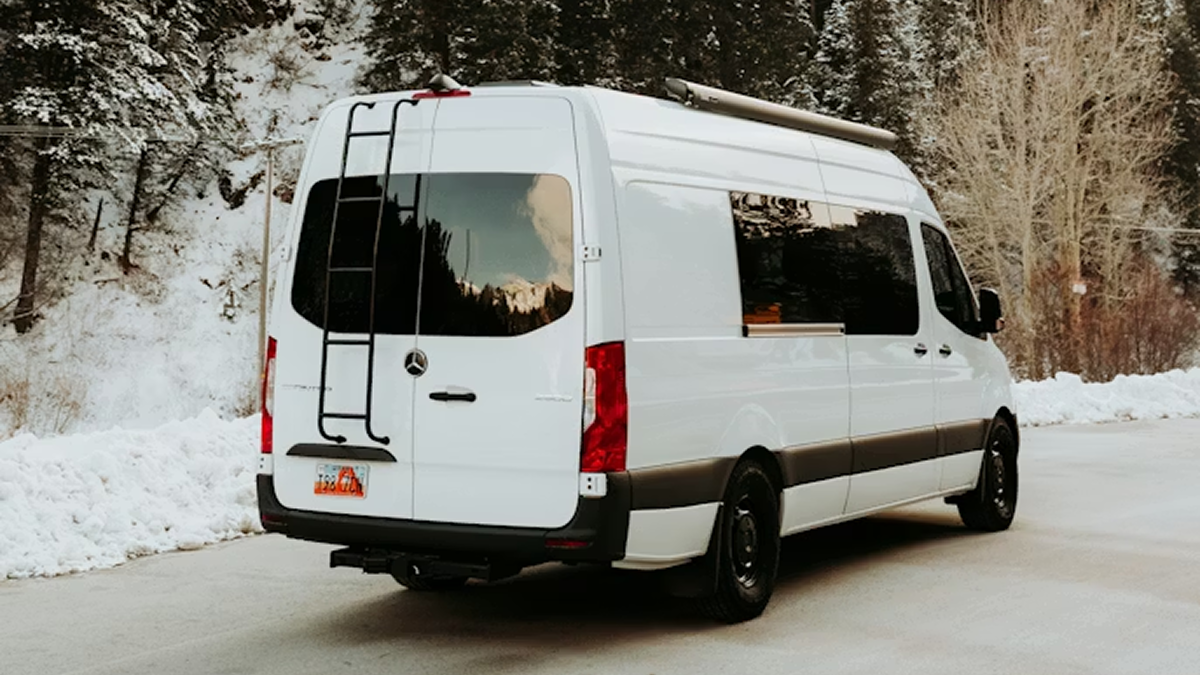
A well-maintained diesel Sprinter van typically lasts between 300,000 and 500,000 miles. Some owners report exceeding that range with proper care. The average falls around 250,000 to 300,000 miles for mixed-use commercial vehicles. Extreme cases with full service history and highway-heavy use have reached 700,000 to 1,000,000 miles.
Lifespan depends heavily on maintenance consistency, engine type, and how hard the van is worked. This guide on how many miles do Sprinter vans last covers every stage of the lifespan. It also breaks down real costs and what to check before buying a high-mileage van.
What Determines a Sprinter Van's Lifespan?
Different Sprinters age at different rates. Five factors consistently separate the ones that reach 400,000 miles from the ones that give out at 150,000.
Maintenance consistency
The Sprinter runs on Mercedes Service A and B intervals. Service A covers oil, filters, and fluid checks at roughly 10,000-mile intervals. Service B is more comprehensive and includes brake fluid, cabin filters, and a full inspection.
Skipping either shortens the engine's life significantly. The van conversion process guide covers how proper maintenance connects to long-term reliability across van builds.
Engine type
Diesel Sprinters are built for commercial durability. The turbodiesel engine is rated for commercial fleet use. It is engineered to handle far more miles than a typical passenger car engine. Gasoline engines are available but produce meaningfully shorter service lives.
Driving conditions
Highway miles are gentler on a Sprinter than city miles. Constant stop-and-go use and heavy idling accelerate wear on the turbo, injectors, and DPF filter. Short trips where the engine never fully warms up cause similar damage over time.
Load, rust, and environment
Consistent overloading stresses the drivetrain and suspension ahead of schedule. Rust is the other silent killer. Salt-belt climates and coastal exposure accelerate corrosion on the chassis. Preventive rust treatment adds years to any Sprinter's working life.
To make a Sprinter last 300,000 miles or more, follow these habits.
Follow service intervals without exception
Use manufacturer-specified oil and fluids
Avoid excessive idling
Address rust before it spreads
Mileage Breakdown by Stage
Understanding how many miles do Sprinter vans last requires looking at what actually happens at each stage of the odometer.
| Mileage | Condition | Common Issues | What to Expect |
|---|---|---|---|
| 0 to 100k | Like new | Minimal | Routine maintenance only |
| 100k to 200k | Prime | Minor wear items | High reliability, low risk |
| 200k to 300k | Aging | Injectors, suspension | Increased maintenance budget |
| 300k to 500k | High mileage | Turbo, transmission | Usable with proper upkeep |
| 500k+ | Extreme | Engine rebuild possible | Rare but documented |
The 200,000 to 300,000-mile window is where most Sprinters see their first significant repair costs. Fuel injectors, the DEF system, and suspension components are the most common items. Caught early, none of these are catastrophic. Deferred, they get expensive fast.
Fleet operators retire commercial Sprinters between 200,000 and 250,000 miles. Not because the vans are worn out, but because replacement makes more financial sense than continued repairs. Private owners who stay on top of maintenance routinely go well past those numbers.
At 300,000 to 500,000 miles, a serviced diesel Sprinter is still a functional vehicle. The cost profile changes. Major components become budget line items rather than surprises.
Diesel vs Gas Sprinter Vans
For anyone researching how many miles do Sprinter vans last, engine type is the single most important variable.
| Factor | Diesel Sprinter | Gas Sprinter |
|---|---|---|
| Expected lifespan | 300,000 to 500,000+ miles | 150,000 to 250,000 miles |
| Torque output | Higher | Lower |
| Fuel efficiency | Better (highway) | Worse |
| Maintenance cost | Higher per service | Lower per service |
| Repair complexity | High (DEF, DPF) | Lower |
The diesel engine is built for commercial durability. It produces more torque and achieves better fuel economy on long highway runs. The tradeoff is higher repair costs when things go wrong. DEF system failures, DPF clogs, and injector issues are the diesel's most common expensive problems.
The gas engine is simpler to service and has a lower entry cost. It is the better choice for light-use van builds or urban-focused drivers who do not need high-mileage longevity.
This guide on choosing the right van platform covers how engine type affects the full build decision.
Cost of Ownership vs Lifespan
How many miles do Sprinter vans last is only half the question. The other half is what those miles cost to maintain.
A low purchase price on a high-mileage Sprinter does not mean low total cost. Repair costs accelerate meaningfully after 200,000 miles. The most expensive repair categories after 200,000 miles are listed below.
| Repair | Estimated Cost |
|---|---|
| Fuel injectors | $1,500 to $3,000 |
| Turbocharger | $2,000 to $4,000 |
| Transmission service | $800 to $2,000 |
| DEF system repairs | $500 to $2,500 |
The cost-per-mile concept helps reframe the decision. A $15,000 Sprinter at 250,000 miles needing $8,000 in repairs costs more than a clean $30,000 example at 100,000 miles. The sticker price is rarely the full story.
Kelley Blue Book's Sprinter van overview notes that higher maintenance costs are the primary trade-off against the Sprinter's class-leading durability.
Vans with documented service history and highway-dominant mileage stay reliable well past 300,000 miles. Vans with gaps in maintenance records or rust damage rarely live up to the platform's reputation. The odometer tells only part of the story.
Use type matters just as much as mileage. A delivery Sprinter accumulates hard city miles. A vanlife Sprinter accumulates easier highway miles. Same number on the clock, very different condition underneath.
Is a High-Mileage Sprinter Worth Buying?
A 200,000-mile Sprinter can be an excellent buy or a money pit. The difference comes down to what the van has been through, not the number on the odometer.
When a high-mileage Sprinter is worth it:
Full service history with documented Mercedes Service A and B records
Highway-dominant mileage from single-driver or personal use
No rust on frame rails, wheel arches, or underbody
No signs of DEF, DPF, or turbo problems in the service records
Previous inspection by a Mercedes-qualified mechanic
When to walk away:
Gaps in service history or records that cannot be verified
Heavy commercial fleet use with multiple drivers and high daily mileage
Visible rust on the frame or undercarriage
Any history of deferred DEF or DPF repairs
Asking price that does not leave budget for upcoming maintenance
Drivin' & Vibin's Sprinter reliability guide confirms that well-maintained diesel Sprinters regularly exceed 400,000 miles. The key phrase is well-maintained. A van with poor records at 150,000 miles represents more risk than a documented example at 300,000 miles.
This used vs new conversion van guide covers the specific items to verify before committing to any used van purchase.
When a Conversion Van Makes More Sense
How many miles do Sprinter vans last is a relevant question when you are buying a base van. It becomes less relevant when you are buying a fully built conversion.
DIY builders and buyers of used high-mileage vans take on the full risk of the platform. Hidden rust, deferred maintenance, and undisclosed repair history all become the new owner's problem. The appeal of a lower sticker price often disappears after the first round of repairs.
For full-time vanlifers, sourcing and maintaining a used Sprinter over several years often costs more than the initial savings suggest. This full-time van life guide covers what daily long-term use demands from a van build.
Professional conversions built on lower-mileage platforms with documented service histories offer a different calculation entirely. The upfront cost is higher. The risk profile is substantially lower.
Mango Vans builds custom adventure and commercial conversions out of South Florida. Every build starts with a vetted platform. The build itself is designed for long-term daily use rather than short-term aesthetics. For buyers who want reliability without the guesswork of sourcing and maintaining a used high-mileage van, that distinction matters.
The custom van builds page shows the full range of builds available, from adventure van conversions to commercial configurations.
Frequently Asked Questions
What is high mileage for a Sprinter van?
Above 200,000 miles is generally considered high mileage for a Sprinter. A well-maintained diesel Sprinter at 200,000 to 300,000 miles is not necessarily at the end of its life. Service history and condition matter more than the odometer number alone.
Can a Sprinter last 500,000 miles?
Yes. Documented cases of diesel Sprinters reaching 500,000 miles exist, though they require rigorous maintenance and typically involve highway-dominant use. Reaching 500,000 miles is rare but not exceptional for a properly serviced diesel engine.
Is 200k miles too much for a Sprinter?
Not necessarily. A 200,000-mile Sprinter with full service records and no rust is often a viable buy. The key questions are how those miles were accumulated and whether maintenance was performed on schedule.
Are Sprinter vans reliable long-term?
Diesel Sprinters have a strong long-term reliability reputation when serviced properly. The platform is built for commercial fleet use. The weak points are the DEF and DPF systems on diesel models, which can become expensive without proper maintenance.
How many miles per year does a Sprinter typically last?
Most Sprinters used for commercial purposes accumulate 20,000 to 30,000 miles annually. At that rate, a van hitting 300,000 miles has roughly 10 to 15 years of service life. Vanlife and personal-use Sprinters typically run lower annual mileage.
What are the most expensive repairs on a high-mileage Sprinter?
Fuel injectors, turbocharger replacement, DEF system repairs, and transmission service are the highest-cost items. Most appear in the 200,000 to 300,000-mile window. Budgeting $5,000 to $10,000 for major repairs after 200,000 miles is a realistic planning figure.
Does a Sprinter last longer than a Ford Transit or RAM ProMaster?
The diesel Sprinter generally outlasts both in terms of maximum mileage potential. The Transit and ProMaster are more affordable to repair and service. For pure longevity, the Sprinter diesel wins. For lower lifetime ownership cost, the Transit is often the better choice.
How does rust affect a Sprinter van's lifespan?
Rust is one of the most common reasons Sprinters fail before their engines do. Frame rail and underbody corrosion can make an otherwise sound van unroadworthy. Annual inspections and early rust treatment are among the highest-value things an owner can do.
Does a gas Sprinter last as long as a diesel?
No. Gas Sprinters typically reach 150,000 to 250,000 miles under normal use. The diesel engine is purpose-built for commercial fleet durability and can last twice as long with proper maintenance. For long-term van life or high-mileage commercial use, diesel is the right choice.
Is it worth buying a Sprinter with no service history?
Rarely. Without records, there is no way to confirm that Service A and B intervals were followed. Deferred repairs may be waiting to surface. A 300,000-mile Sprinter with a full paper trail carries less risk than a 100,000-mile van with none.