Used Conversion Vans vs New: What to Look for When Buying a Van for Conversion
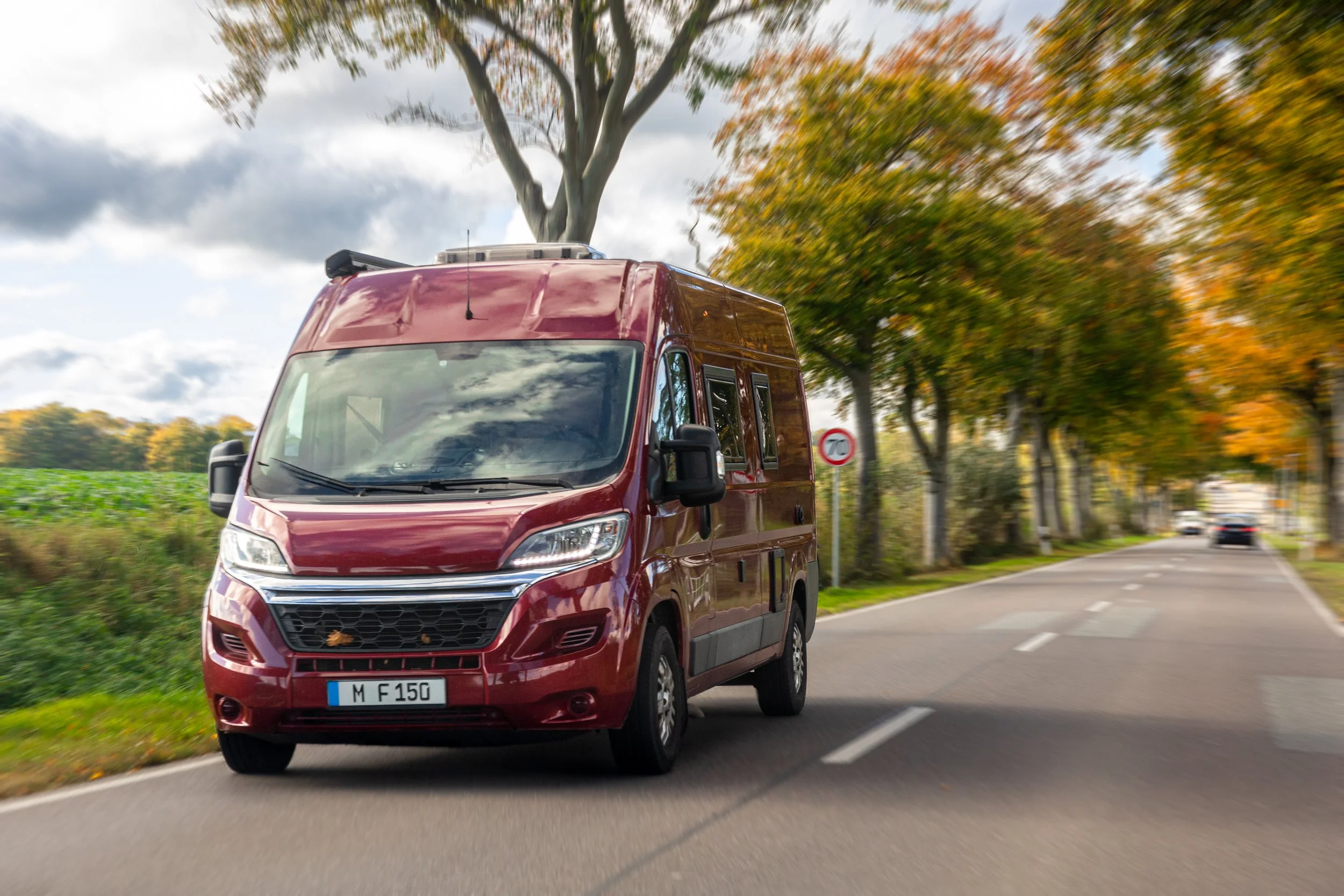
The biggest decision in your van conversion journey happens before you ever pick up a power tool. Choosing between used conversion vans and new vehicles shapes your entire project timeline, budget, and final outcome. Whether you're planning a weekend adventure rig or a mobile business platform, understanding what to look for in each option helps you make the right choice from the start.
The Case for Used Conversion Vans
The appeal of a used conversion van starts with the price tag. You can often find quality vans at 30 to 50 percent less than new models. This creates more budget for the actual conversion work where your vision comes to life. Depreciation works in your favor with used vehicles. The steepest value drop happens in the first three years of ownership. When you buy used, someone else already absorbed that financial hit. You get a solid platform without paying the new vehicle premium.
The used market also offers variety. You can find discontinued models, specific wheelbase lengths, and roof heights that manufacturers no longer produce. Some sellers offer partially converted vans that give you a head start on your project. Buying used also makes environmental sense. Repurposing an existing vehicle reduces the manufacturing demand and carbon footprint associated with new vehicle production.
What to Inspect in Used Custom Vans
Walking into a used van purchase requires a careful eye. Start with the mechanical systems that keep you moving safely down the road.
1. Ask for complete maintenance records and take a thorough test drive.
Regular oil changes and service intervals tell you the previous owner cared about the vehicle. Listen for unusual engine noises or transmission hesitation. Brakes should feel firm and responsive, and the steering should track straight without pulling.
2. Inspect the frame and undercarriage for structural integrity.
This matters even more for conversion vans than regular vehicles since you'll be adding weight with cabinets, water tanks, and equipment. Crawl underneath and check the frame for rust or damage, paying special attention to areas where road salt accumulates.
3. Check the floor and roof carefully from multiple angles.
Soft spots or rust holes in the floor create major problems during conversion. You need a solid foundation to support your build. The roof requires equal attention for previous leak repairs or damaged areas where you might install vents or skylights.
4. Test all doors and latches before committing to purchase.
Sliding doors take particular abuse over a van's lifetime. Worn mechanisms can be expensive to repair or replace.
5. Evaluate the electrical system thoroughly.
A weak battery or failing alternator creates headaches during conversion when you're adding lighting, fans, and charging systems. Ask about the alternator's age and output capacity since many conversions require upgraded electrical capacity.
6. Avoid major red flags when shopping for used custom vans.
Flood damage rarely shows up on initial inspection but causes ongoing electrical and mechanical problems. Any history of major accident repairs should raise concerns about frame alignment and hidden damage. Walk away from incomplete amateur conversions unless you're prepared to undo someone else's work, as poorly executed electrical wiring or structural modifications create safety issues and complicate your build.
The Case for New Conversion Vans
New conversion vans eliminate guesswork about vehicle history and condition. Full manufacturer warranty coverage protects your investment during the conversion process and beyond.
Modern vans include the latest safety features like backup cameras, blind spot monitoring, and stability control. Recent fuel efficiency improvements also reduce long-term operating costs. Factory customization options let you order exactly what you need. Choose your wheelbase, roof height, and engine configuration before the van leaves the assembly line.
New vans offer longer expected lifespans with proper maintenance. You can track every mile from day one while enjoying modern technology like smartphone integration and advanced climate control systems.
Cost Considerations Beyond Purchase Price
The sticker price tells only part of the financial story. Used vans often need immediate attention like new tires, brake work, or timing belt replacement right after purchase. Financing options also differ significantly between new and used vehicles. New vans qualify for lower interest rates and longer loan terms, while used vehicles typically carry higher rates that increase your total cost over time.
Insurance companies charge different premiums based on vehicle age and value, so get quotes before you commit to either option. Long-term maintenance costs favor newer vehicles in the short term but eventually balance out. New vans run for years with just oil changes and routine service, while older vans need more frequent attention to keep systems running smoothly.
Consider how your conversion plans affect the total investment. A used van with a smaller purchase price gives you more capital for high-end solar systems, premium insulation, or custom cabinetry. A new van might require a simpler conversion to stay within budget.
Making Your Decision
Several key factors should guide your choice between used and new conversion vans.
Timeline matters. A used van available today beats waiting months for a new vehicle order to arrive if you need to start your conversion quickly.
Budget allocation trumps purchase price alone. A $30,000 used van with $40,000 for conversion might deliver better results than a $50,000 new van with only $20,000 for the build.
Match the platform to your mechanical skills and intended use. Comfortable diagnosing problems? A used van works fine. Need reliability for full-time living or a mobile business? New makes more sense for dependable transportation.
Professional conversion companies work with both new and used platforms. They can help you evaluate specific vehicles and recommend the best starting point for custom builds that match your goals and budget.