Mobile Veterinary Clinic in Florida: Complete Van Requirements and Conversion Planning Guide

Florida's pet owners increasingly seek convenient veterinary care that comes to them. Mobile veterinary clinics meet this demand while offering veterinarians flexible practice models with lower overhead than traditional brick-and-mortar facilities. The state's large pet population, sprawling retirement communities, and year-round warm weather create ideal conditions for mobile veterinary practice success.
Starting a mobile veterinary clinic requires careful planning across vehicle selection, equipment integration, regulatory compliance, and workflow design. Working with experienced custom van builders who understand veterinary-specific requirements ensures your conversion meets professional standards from the start. This guide covers the essential requirements for launching a successful veterinary mobile clinic in Florida.
Florida’s Mobile Veterinary Market
Florida ranks among the top states for pet ownership, with over 60 percent of households owning cats or dogs. This creates substantial demand for veterinary services across diverse communities. Rural areas often lack convenient access to veterinary care, while urban pet owners value the time savings and reduced stress of home-based appointments.
Mobile veterinary services appeal particularly to elderly clients with limited mobility, owners of anxious pets who struggle with clinic visits, and busy professionals who appreciate flexible scheduling. Common services include wellness examinations, vaccinations, blood work, minor procedures, geriatric care, and end-of-life services. Many mobile practitioners develop loyal client bases willing to pay premium fees for convenience and personalized attention.
The business model offers compelling advantages. Lower facility overhead compared to traditional clinics improves profit margins. Flexible scheduling allows better work-life balance. Direct client relationships often result in higher satisfaction and retention rates.
Essential Van Requirements for Veterinary Mobile Clinics
The foundation of any mobile veterinary clinic starts with selecting the right base vehicle and essential infrastructure. Key requirements include:
Base Vehicle Selection
RAM ProMaster offers excellent interior height for standing workspace and good maneuverability in residential areas
Mercedes Sprinter vans provide premium build quality with various wheelbase options to match your service scope
Ford Transit vans deliver proven reliability and widespread service availability throughout Florida
Most veterinary mobile clinics use extended wheelbase models with high roofs to accommodate examination tables, equipment storage, and comfortable working conditions
Critical Infrastructure
Dedicated examination and treatment areas with non-slip flooring and easy-to-clean surfaces
Secure storage systems that organize medications, supplies, and equipment while preventing movement during transit
Temperature-controlled compartments that maintain pharmaceutical integrity in Florida's heat
Medical-grade electrical systems providing reliable power for diagnostic equipment and lighting
Generator capabilities or solar power systems for extended off-grid operations
Small sinks for handwashing and instrument cleaning
Patient Safety Features
Restraint systems appropriate for various animal sizes
Secure doors and windows to prevent escapes
Proper ventilation systems for animal comfort
Waste management systems that handle biological waste according to Florida regulations
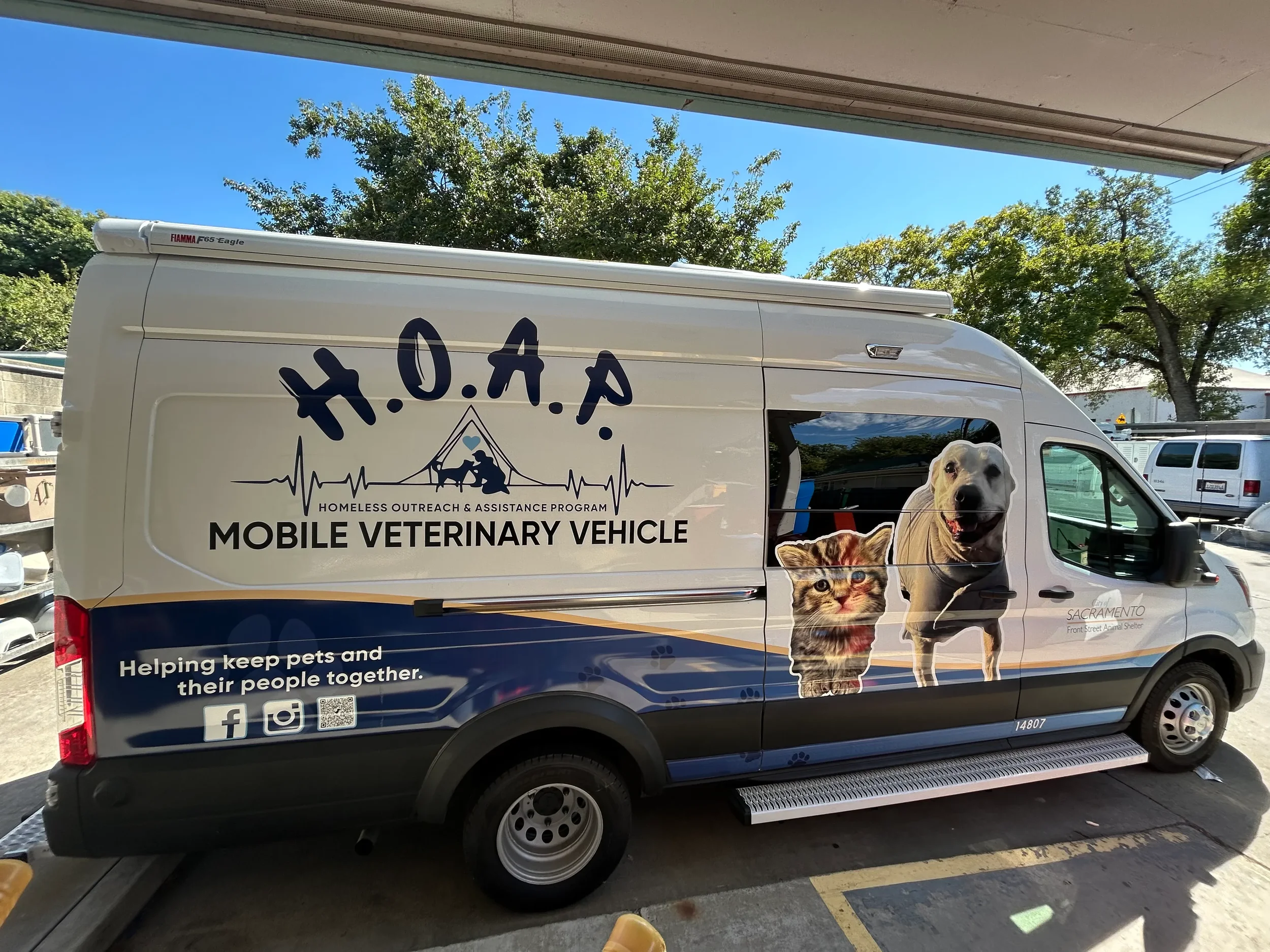
Veterinary Equipment and Technology
Equipment selection balances diagnostic capabilities with space constraints and budget. Essential items include portable examination tables with adjustable heights, diagnostic lighting, and basic surgical instruments. Digital thermometers, stethoscopes, and otoscopes handle routine examinations.
Advanced mobile vet clinics may incorporate portable X-ray systems, ultrasound machines, and in-house laboratory equipment for blood work and urinalysis. These tools expand service capabilities but require additional electrical capacity and secure mounting systems.
Mobile pharmacy setups must maintain proper storage temperatures and organized inventory management. Controlled substances require secure storage that meets DEA requirements. Digital record systems with mobile connectivity allow real-time documentation and client communication. Integrated payment processing capabilities streamline transactions.
Florida Veterinary Regulations and Licensing
The Florida Board of Veterinary Medicine oversees mobile veterinary practice operations. Veterinarians must hold active Florida licenses and comply with facility standards adapted for mobile units. These include proper equipment sterilization capabilities, appropriate lighting, and adequate workspace.
Controlled substance storage and documentation follow strict protocols regardless of practice setting. Mobile units must meet vehicle inspection requirements and maintain proper insurance coverage including liability, vehicle, and professional malpractice policies. Waste disposal must follow Florida Department of Health guidelines for biological and pharmaceutical waste.
Many counties and municipalities have additional requirements for mobile businesses operating within their jurisdictions. Research local regulations thoroughly before beginning operations.
Climate and Operational Considerations
Florida's climate demands specialized solutions in veterinary mobile clinic design. Enhanced HVAC systems become critical for animal comfort and equipment protection. Standard automotive air conditioning cannot adequately cool a stationary workspace during summer months. High-capacity cooling units maintain comfortable temperatures while protecting sensitive diagnostic equipment.
Humidity control prevents moisture damage to electronics and maintains sterile environments. Proper dehumidification systems protect both equipment investments and patient safety. Hurricane preparedness factors into design decisions with secure equipment mounting and emergency power systems.
The year-round warm weather eliminates seasonal shutdown periods common in northern states, maximizing return on investment and allowing consistent client relationships throughout the year.
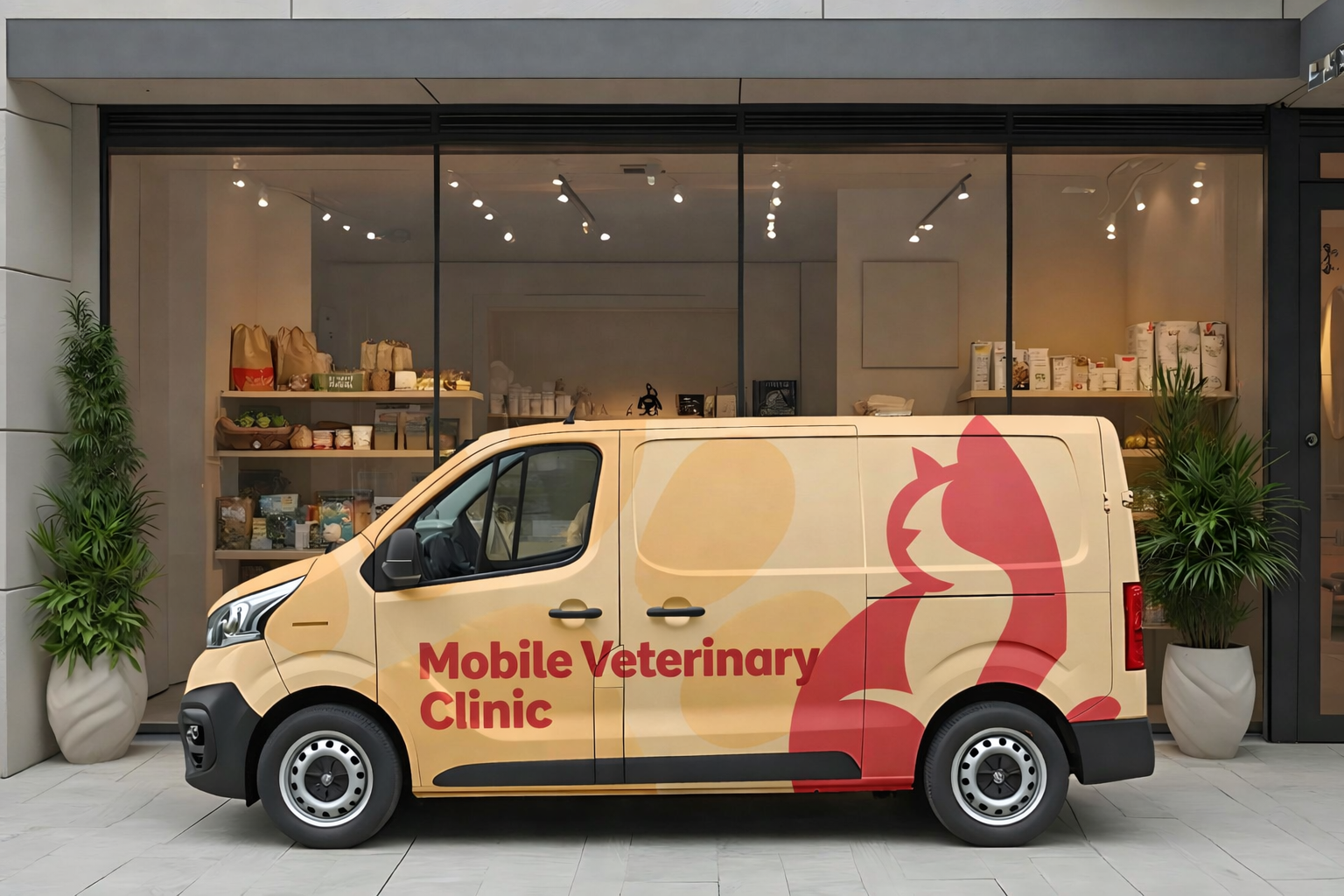
Planning Your Veterinary Mobile Clinic Conversion
Successful projects begin with defining your service model. Determine which procedures you will offer and which require referral to traditional facilities. Identify your target geographic area considering drive times, fuel costs, and appointment scheduling efficiency. Most mobile practices serve areas within 30 to 45 minutes of their home base.
Budget planning requires realistic expectations. Quality veterinary conversions typically range from $100,000 to $200,000 depending on size, features, and equipment included. Diagnostic equipment adds significantly to initial investment. However, lower facility overhead often results in positive ROI within two to three years.
Workflow design separates efficient mobile practices from cramped, frustrating workspaces. Patient flow should minimize stress for animals while allowing veterinarians and assistants to work comfortably. Consider how you will handle multiple pets, manage anxious animals, and maintain sterile fields when needed.
Choosing a Florida Conversion Partner
Selecting a conversion partner ranks among the most important decisions in your mobile veterinary clinic project. Look for builders with proven medical conversion experience who understand healthcare environments. Generic van conversion companies may lack the specialized knowledge necessary for veterinary applications.
Your partner should demonstrate familiarity with veterinary equipment installation, medical-grade electrical systems, and Florida health regulations. Portfolio review reveals experience level across different veterinary practice models. Florida-based custom van builders with healthcare expertise provide ongoing support advantages and better understand state-specific requirements.
Ask potential builders about project timelines, warranty coverage, and post-delivery support. Discuss their design process and customization options to ensure your unique practice needs receive proper attention.
Conclusion
Mobile veterinary clinics offer Florida veterinarians opportunities to build flexible, profitable practices while meeting growing demand for convenient pet care. Success requires careful planning across vehicle selection, equipment integration, regulatory compliance, and workflow design. Partnership with experienced conversion specialists ensures your veterinary mobile clinic meets professional standards while serving Florida's pet owners for years to come.