Mobile Dental Clinics: The Rise of a Growing Solution for Community Access
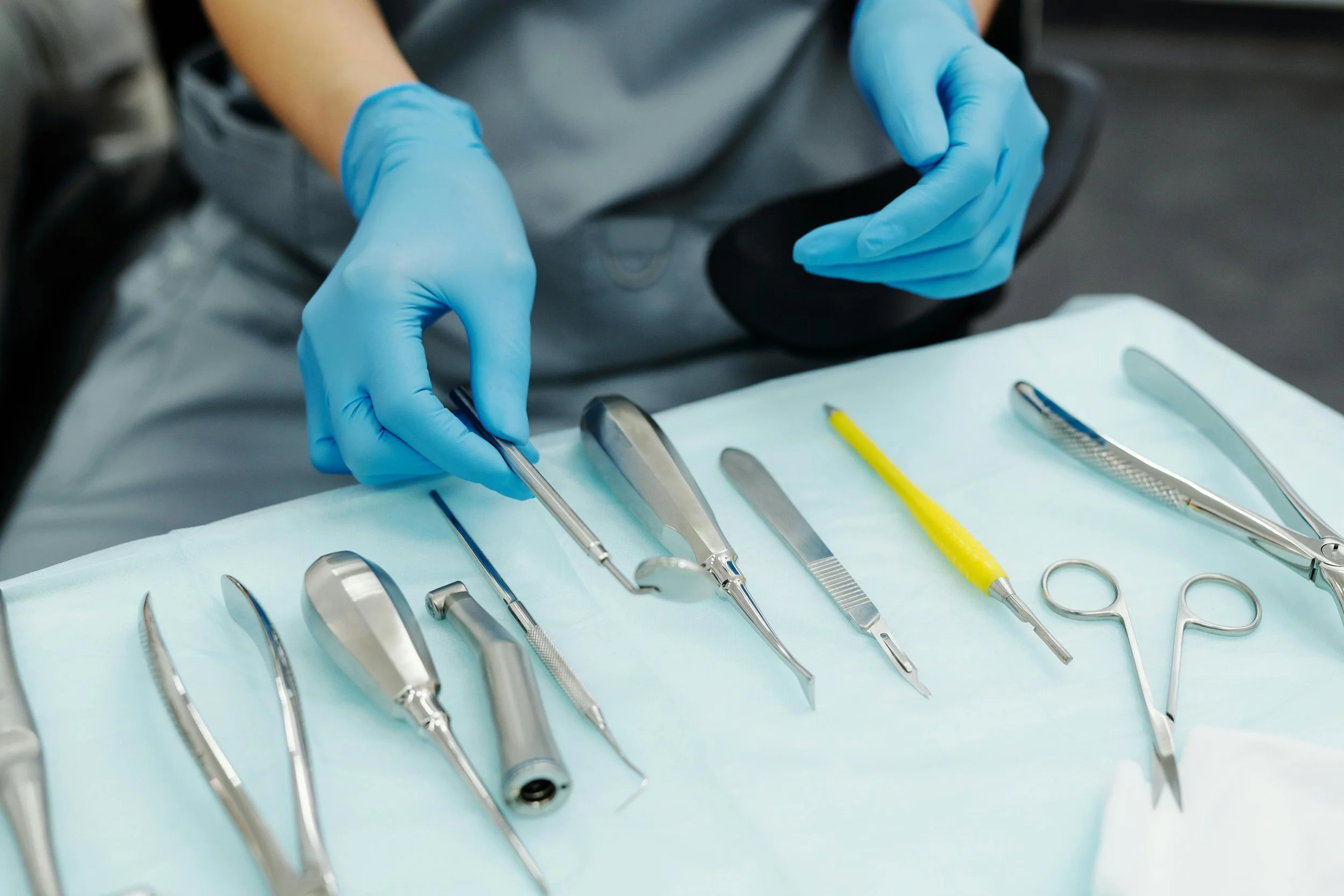
Access to dental care remains uneven across America. Rural communities face significant provider shortages while underserved urban areas struggle with transportation and availability barriers. Mobile dental clinics are emerging as a practical solution to these challenges. These operations offer viable business models with lower overhead than traditional brick-and-mortar practices. Strong profit margins and diverse revenue streams make this an increasingly attractive option for dental professionals. This guide explores the market opportunity, helps you choose your business model, and walks through practical launch steps.
Why Dentists Are Launching Mobile Practices Now
The dental services market is growing at 5.5% annually through 2030. Mobile clinics are positioned to capture significant market share in underserved segments. Well-managed mobile dental vans generate annual revenues ranging from $400,000 to over $1,000,000. Growing populations in senior living facilities, corporate wellness programs, and school-based care drive this expansion.
The barrier to entry is lower than traditional practice ownership. Overall startup costs for a mobile dental clinic range from $128,000 to $405,000. This depends on your strategic choices and customization needs. You avoid commercial real estate costs and long-term lease obligations. Reduced overhead eliminates utilities and property maintenance expenses. The flexibility lets you test markets before major expansion.
Revenue stream diversity strengthens the business model. Mobile dental programs maintain diverse funding from patient fees, organizational support, and fundraising events. Multiple payer sources include Medicaid, insurance, corporate contracts, and grants. You become less dependent on single revenue channels than traditional practices.
Recent legislation supports this growth. New laws include grant funding for portable and mobile dental equipment. This expands opportunities in both nonprofit and for-profit sectors. Increased recognition and reimbursement for mobile service delivery continues. Policy support creates a favorable business environment.
Three Primary Models: Which Fits Your Goals?
Model 1: Senior Living Circuit
This model targets nursing homes, assisted living facilities, and retirement communities. Services include routine exams, cleanings, denture care, and extractions. It offers the highest per-visit reimbursement with contracted income.
Best for dentists seeking:
Predictable revenue and professional relationships
B2B contract stability
Comprehensive care delivery
You need higher equipment investment for comprehensive care. Facility compliance requirements add complexity. A practical example shows the potential. Five nursing homes with 100 beds each treating 10% of residents monthly equals 50 patients. At $200 per visit that generates $10,000 monthly.
Model 2: School-Based Prevention
This approach focuses on elementary and middle schools in underserved areas. Services include screenings, sealants, fluoride treatments, cleanings, and education. Revenue is volume-based with grant funding available.
Best for professionals who want:
Preventive care focus
Community impact and mission-driven work
Grant funding opportunities
Seasonal schedules and lower per-patient revenue are considerations. Compliance requirements are heavier. School-based mobile clinics address multiple barriers by providing services during school hours.
Model 3: Corporate Wellness Programs
This model serves mid-to-large employers offering onsite benefits. Services include routine cleanings, exams, preventive care, and minor restorative work.
Best for practices seeking:
Contracted services with professional patient base
Predictable scheduling
Higher compliance rates
This model requires professional presentation and marketing in urban areas. Employees appreciate the convenience of onsite care.
Hybrid Approach
Many successful operators combine models to maximize van utilization. This strategy balances predictable corporate contracts with community-impact school programs. Testing different models before full commitment reduces risk. Many blend two or three models for sustainability.
Choosing your path requires careful assessment. Review your clinical interests and business goals. Research local market needs and competition. Consider equipment investment requirements for each model. Evaluate your tolerance for regulatory complexity.
How to Start a Mobile Dental Clinic: The Implementation Roadmap
Legal and Regulatory Foundation
Start with your legal and regulatory foundation. Most mobile practices choose LLC for liability protection or S-Corp for tax benefits. Check if your state requires separate mobile practice permits. Verify requirements with your state dental board. OSHA compliance for infection control standards applies to mobile units. Set up HIPAA protocols for cloud-based records and secure data management. Insurance requirements typically include professional liability at $1 million per occurrence and $3 million aggregate. Add commercial auto and equipment coverage. Budget $5,000 to $10,000 for legal setup and initial insurance.
Vehicle Platform Selection
Secure your vehicle platform next. Primary options include Mercedes Sprinter for premium reliability, RAM ProMaster for width advantages, and Ford Transit for service network access. Key factors include interior height for standing room, climate control capacity, and reliability record. New vehicles cost $50,000 to $70,000 and offer warranty protection. Used vehicles cost $25,000 to $40,000 and reduce initial capital needs. Work with specialized medical vehicle builders like Mango Vans who understand dental equipment requirements, electrical systems, and clinical workflow.
Clinical Equipment
Equip your clinical space with essential items. You need a portable dental chair with hydraulic capability. Add a digital X-ray system with portable sensors and processing unit. Include sterilization equipment like an autoclave and ultrasonic cleaner. Install suction and air compressor systems. Add LED lighting and magnification. Stock clinical instruments and supplies.
Equipment budgets by setup level:
Basic hygiene-focused: $15,000 to $25,000
Mid-level general dentistry: $40,000 to $60,000
Comprehensive restorative capability: $75,000 to $100,000
Consider equipment leasing to preserve working capital.
Market Entry Strategy
Develop your market entry strategy carefully. Conduct market research to identify underserved areas, facility needs, and competition gaps. Build a target list database of 50 to 100 potential partner facilities. Use direct facility administrator contact rather than mass marketing. Prepare your pitch to emphasize convenience. Explain that you bring all equipment on-site. Residents or employees receive care without transportation needs. Most facilities appreciate improved health outcomes and convenience. Start contract negotiations with pilot agreements for three to six months before long-term commitments.
Operational Systems
Build operational systems that support your mobile model. Use scheduling software that manages mobile routing and facility coordination. Set up billing with multi-payer capability for Medicaid, insurance, and direct pay. Establish vendor relationships for mobile delivery and restocking. Implement cloud-based electronic health records with offline capability. Create quality protocols for infection control, equipment maintenance, and clinical standards.
Initial Contracts
Secure initial contracts before full launch. Aim for three to five anchor contracts before investing heavily. Schedule face-to-face meetings with facility decision-makers. Validate interest with clear positive responses before major equipment investment. Allow three to six months for contract development. Start small to prove your model before expanding capacity.
Making Your Mobile Dental Practice Work Long-Term
Maximize utilization through smart scheduling. Optimize routes to serve eight to twelve patients daily. Schedule contracts back-to-back to reduce drive time. Balance high-revenue work with mission-driven services.
Manage costs carefully for profitability. Follow vehicle maintenance schedules to prevent expensive breakdowns. Order supplies efficiently to reduce waste. Track per-patient costs by service type.
Build strong partnerships in your community. Community partners provide referrals and in-kind support like parking and utilities. Local dental practices handle complex referrals. Health departments offer grant opportunities.
Scale strategically for sustainable growth. Prove one van's profitability before adding capacity. Consider hiring an associate dentist or hygienist to increase coverage. Technology investments in teledentistry and digital workflows improve efficiency.
Maintain quality and compliance standards. Keep the same clinical standards as traditional practices. Schedule regular equipment calibration and maintenance. Pursue continuing education on mobile-specific best practices.
Your Path Forward
Mobile dental practice offers lower overhead, flexibility, and meaningful work. Successful mobile clinics achieve strong profit margins while serving underserved populations. The market opportunity is proven and growing. Start with market research in your area and connect with successful operators like Mango Vans custom van builders to learn from experiences.
The implementation roadmap is clear. Start with licensing, then secure your vehicle, purchase equipment, develop contracts, and launch operations. Success requires thorough planning, quality clinical care, and strong partnerships. For dental professionals ready to explore this model, the combination of business viability and community impact makes mobile practice an increasingly attractive path.