Are Conversion Vans Worth It? A Clear-Eyed Guide to Costs and Value
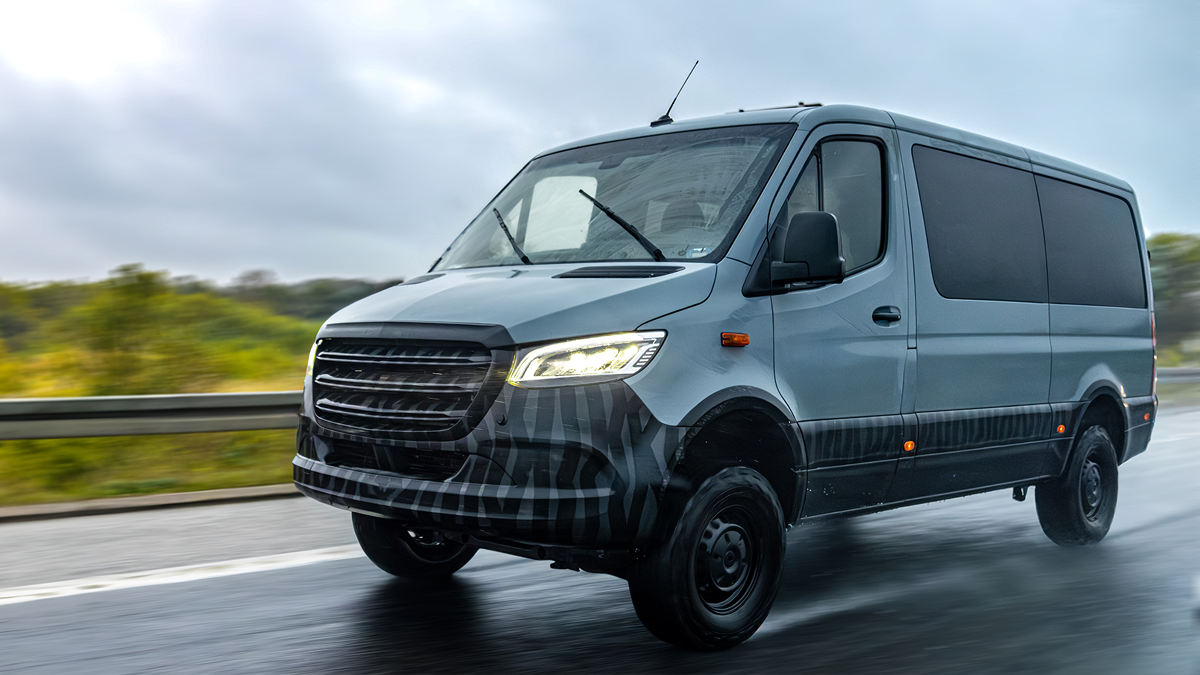
Conversion vans are worth it for frequent travelers, remote workers, and anyone building a mobile lifestyle. They are not worth it for occasional use, tight budgets, or buyers expecting a straightforward financial return.
Whether are conversion vans worth it comes down to three things. How often you use it, how well it is built, and whether lifestyle value matters as much as financial value. This guide covers real costs, honest tradeoffs, and a clear framework to make the right call.
What Is a Conversion Van?
A conversion van is a cargo or passenger van that has been outfitted with living, working, or travel systems. Three types exist.
DIY conversions: self-built using purchased materials and personal labor
Professional builds: designed and constructed by a van conversion company
Factory conversions: pre-configured vans from manufacturers or RV brands
Each produces a different result at a different cost and risk level. The type of conversion shapes both the upfront investment and the long-term experience.
Pros of Conversion Vans
Full lifestyle customization.
A conversion van can be designed around how you specifically live and travel. Bed orientation, kitchen setup, electrical systems, and storage are all built to your needs rather than a factory average.
Multi-purpose use.
The same van serves as transportation, accommodation, and workspace. For remote workers and long-term travelers, this consolidation eliminates hotel costs and compresses daily overhead into one vehicle.
Stealth and flexibility.
A high-roof cargo van blends into urban environments far better than an RV. It fits standard parking spaces, accesses remote roads, and enables overnight stays in locations that larger vehicles cannot reach.
Accessibility and independence.
A custom-built van provides familiar, controlled accommodations without relying on third-party facilities. This matters for people with mobility needs or demanding schedules.
Lower travel overhead over time.
Regular travelers who replace hotel stays with a conversion van can recover the build cost over years of use. The lifestyle value accelerates when the van becomes the primary accommodation on trips rather than a supplement to it.
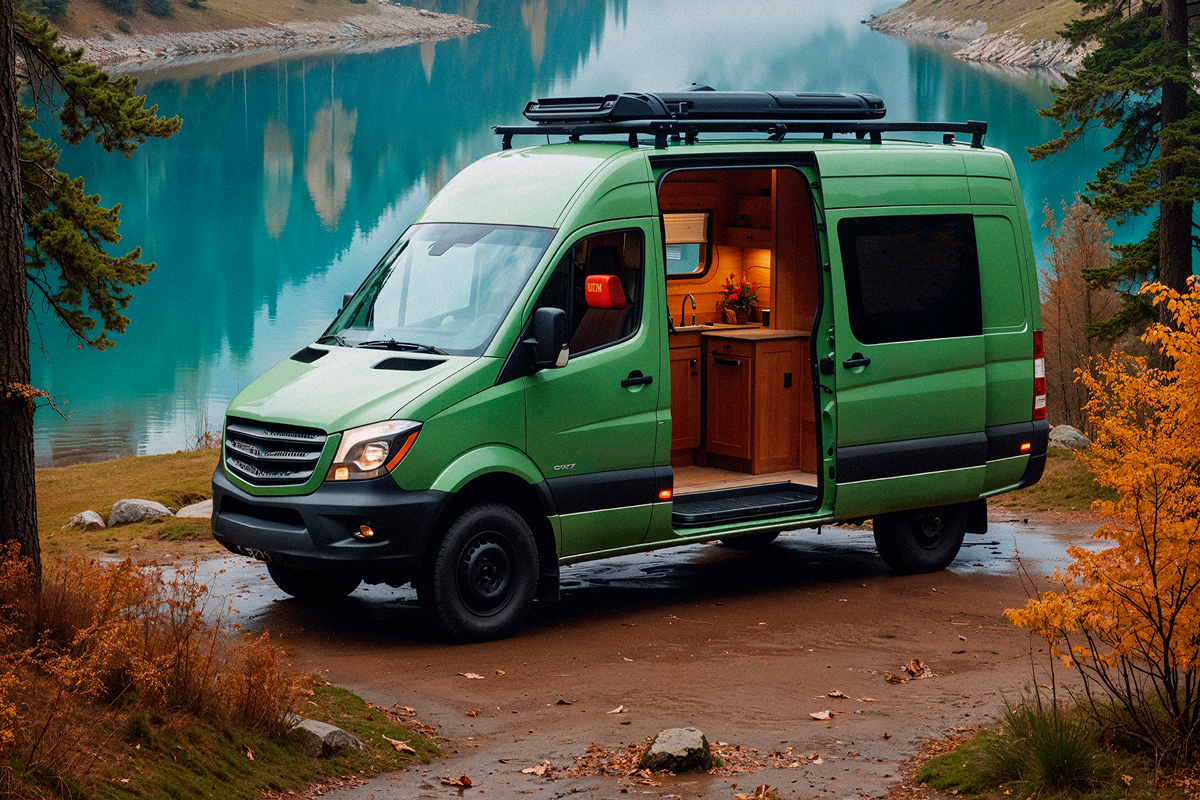
Cons of Conversion Vans
High upfront cost.
Even a modest DIY conversion requires $10,000 to $30,000 in materials plus a van purchase. Professional builds run $50,000 to $200,000 or more. That is a significant commitment before the van covers a single mile.
Fuel and running costs.
Cargo vans are not fuel-efficient vehicles. High-roof models create additional aerodynamic drag. Fuel, insurance, registration, and regular maintenance add up to $5,000 to $10,000 per year in ongoing costs for most owners.
Space limitations.
Even an extended high-roof Sprinter is still a van. There is no separation between living and sleeping areas. Couples and families feel this constraint more than solo travelers.
Parking and access restrictions.
High-roof vans cannot enter many parking garages. Some cities restrict overnight vehicle habitation. National park campgrounds sometimes limit large vehicles. These restrictions require planning that a hotel stay does not.
Maintenance complexity.
A van with solar, plumbing, and custom electrical work is more complex to repair than a stock vehicle. Specialized systems may require professional service for problems that arise on the road.
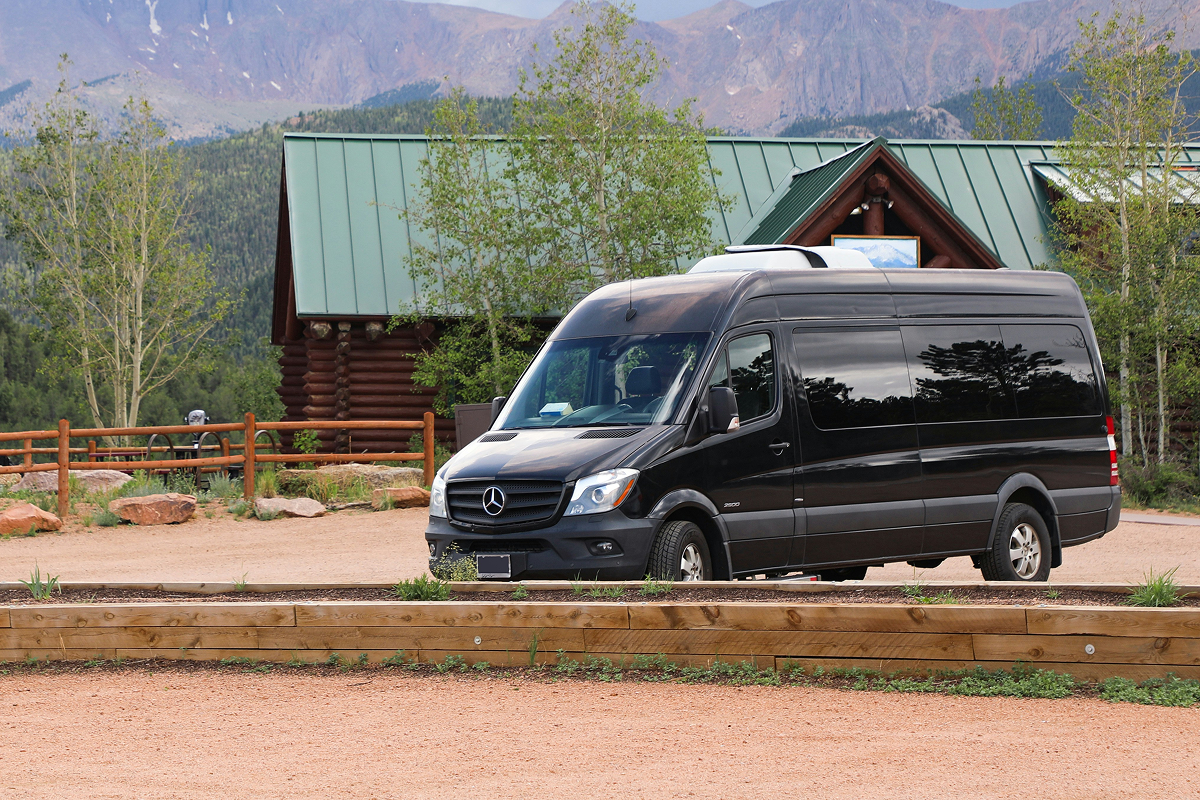
How Much Do Conversion Vans Really Cost?
Cost depends heavily on the starting platform, the build type, and whether you do the work yourself.
| Build Type | Van Cost | Conversion Cost | Total |
|---|---|---|---|
| Budget DIY | $15,000–$25,000 | $5,000–$15,000 | $20,000–$40,000 |
| Mid-range DIY | $25,000–$45,000 | $15,000–$30,000 | $40,000–$75,000 |
| Professional entry | $45,000–$65,000 | $25,000–$50,000 | $70,000–$115,000 |
| Professional premium | $65,000–$90,000 | $50,000–$120,000 | $115,000–$210,000 |
The van platform you start with affects every cost downstream. A used van in good condition can reduce the acquisition cost by $15,000 to $30,000 compared to buying new.
Hidden ongoing costs most buyers underestimate.
Insurance: $1,200 to $2,500 per year for a converted van
Fuel: $3,000 to $6,000 per year at average driving distance
Maintenance and repairs: $1,500 to $4,000 per year
Campsite fees or parking: $0 to $3,600 per year depending on use
Industry cost data for van conversions shows that professional conversions range from $30,000 to over $100,000 for the build alone. Poor insulation, undersized electrical systems, and amateur plumbing create repair costs that exceed a proper build's upfront price. Cheap builds often become the most expensive.
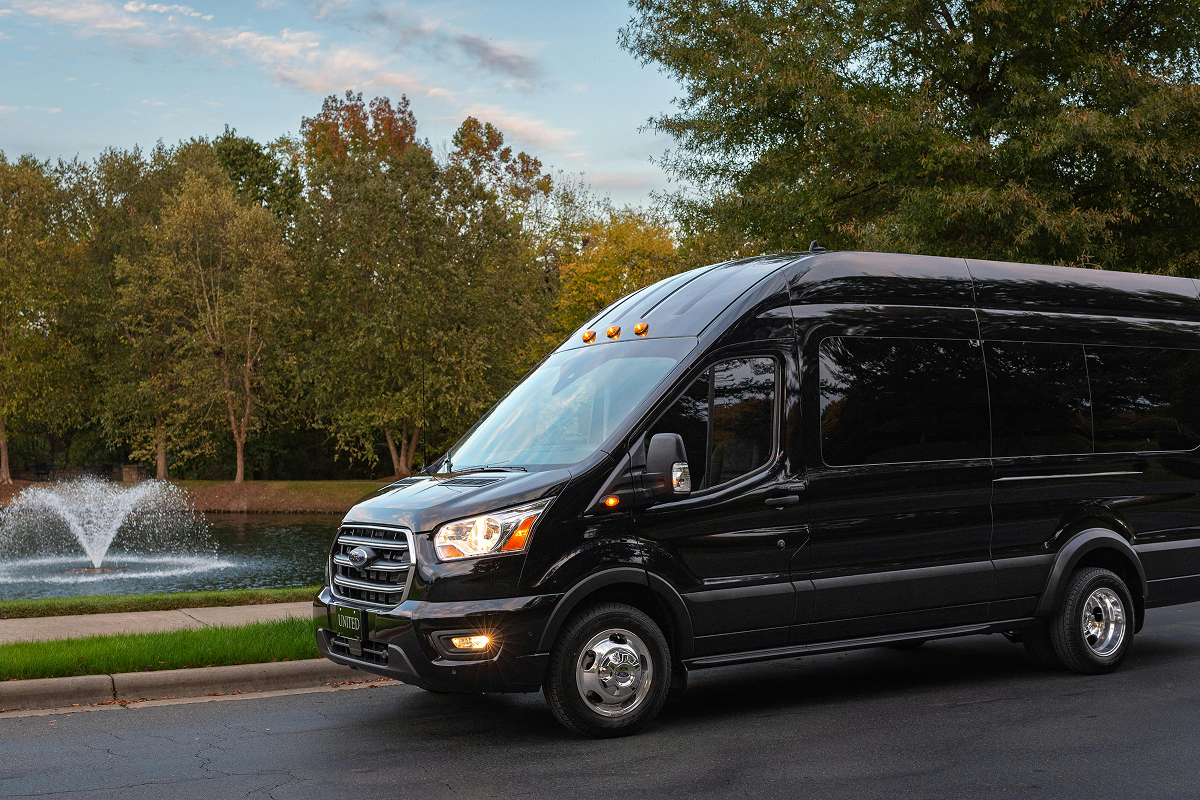
Are Conversion Vans a Good Investment?
Financial ROI from a conversion van is rare. The van depreciates. The build adds value to your life but not always to the resale price. Measuring "worth it" purely by financial return misses how most van owners actually benefit.
Lifestyle ROI is where are conversion vans worth it really comes into focus. Travel nurses who eliminated hotel costs with a converted van reported saving substantially each month. That return only arrives with high-frequency use.
| Vehicle Type | Upfront Cost | Space | Mobility | Running Cost |
|---|---|---|---|---|
| Conversion van | $20k–$200k | Compact | High | Medium |
| Class A/B RV | $80k–$300k | Spacious | Low | High |
| SUV with camping gear | $35k–$60k | Very limited | High | Low |
Conversion vans outperform RVs on mobility and discretion. They outperform SUVs on livability. They lose to both on space. The right choice depends on whether you prioritize freedom of movement or comfortable square footage.
DIY vs Professional Conversion
The DIY versus professional choice is one of the most consequential decisions in any van build.
| Factor | DIY | Professional |
|---|---|---|
| Upfront cost | Lower | Higher |
| Time required | High (200–400 hours) | None |
| Build quality | Variable | Consistent |
| Resale value | Lower | Higher |
| Risk of errors | Higher | Lower |
DIY builds work well for experienced builders with time, tools, and patience. The full conversion process takes most first-time builders three to six months. Electrical and plumbing mistakes in that process are expensive to diagnose and fix on the road.
Professional builds cost more upfront. They deliver tested systems, optimized layouts, and workmanship that holds up over years of daily use. For buyers who need the van to be reliable from day one, the premium is not extra cost. It is risk reduction.
Who Gets the Most Value from a Conversion Van?
Conversion vans are worth it most consistently for a specific group. The clearer your usage matches these profiles, the stronger the case.
Highest value users.
Full-time travelers replacing rent or hotel accommodation
Digital nomads working remotely from the road
Weekend adventurers who take 30 or more trips per year
Commercial operators needing a purpose-built mobile workspace
The same logic applies to commercial builds. Mobile service operators running medical, grooming, or wellness services from a converted van recoup build costs through savings and revenue.
Lower value users.
Buyers planning two to four trips per year
People seeking a financial return from resale
Anyone who underestimates the ongoing costs of ownership
A simple way to test whether are conversion vans worth it for your situation is travel frequency and accommodation spend. At 60-plus nights per year and $100-plus per night, a well-built van pays for itself within three to five years. Below that, the math rarely works out.
Why a Professionally Built Van Makes the Difference
For buyers who have decided a conversion van is the right move, build quality determines whether the investment holds up.
Mango Vans builds custom adventure and commercial van conversions out of South Florida. Every build is designed as an integrated system. Electrical, plumbing, insulation, and furniture are specified and installed to work together over years of daily use.
That approach eliminates the most expensive outcomes.
Systems that fail on the road
Layouts that don't fit the actual lifestyle
Builds that need to be redone within two years
The full range of Mango Vans builds shows what a long-term professional conversion looks like.
Frequently Asked Questions
Are conversion vans worth the money?
For frequent travelers who use the van more than 60 nights per year, yes. For occasional users, the upfront and ongoing costs rarely justify the investment. Lifestyle ROI matters more than financial ROI for most buyers asking whether are conversion vans worth it.
Is a van conversion a good investment?
Not in a financial return sense. Vans depreciate and builds rarely increase resale value proportionally. The investment pays off through travel cost savings, accommodation replacement, and lifestyle flexibility rather than resale.
How much does it cost to convert a van?
DIY builds range from $5,000 to $30,000 in materials. Professional conversions run $25,000 to $120,000 or more for the build alone. The van purchase adds $15,000 to $90,000 depending on model and condition.
Do conversion vans hold their value?
Better than most recreational vehicles. Professionally built vans on well-maintained platforms hold value better than DIY builds. Mercedes Sprinter conversions typically retain more resale value than Transit or ProMaster builds of comparable age.
What are the downsides of conversion vans?
High upfront cost, ongoing fuel and maintenance expenses, and space limitations. Parking restrictions in cities and garages add friction. Custom electrical and plumbing systems are more complex to repair on the road.
Is DIY van conversion worth it?
For builders with time, basic skills, and a lower budget, yes. For anyone new to electrical and plumbing work, costly mistakes often outweigh the savings.
How long do conversion vans last?
A well-maintained diesel Sprinter can last 300,000 to 500,000 miles. Professional builds typically outlast DIY builds by several years of daily use.
Are conversion vans cheaper than RVs?
Entry-level conversions can be less expensive than Class A or B RVs. A mid-range professional conversion runs $70,000 to $115,000, overlapping with mid-range RV pricing. Vans offer flexibility and lower running costs.
Can you live full-time in a conversion van?
Yes. Hundreds of thousands of people in the US live or travel full-time in converted vans. Full-time use works best in a well-insulated van with a water system, reliable electrical setup, and proper ventilation.
What is the best van for conversion?
The Mercedes-Benz Sprinter in the extended high-roof configuration is the most capable platform for full builds. The Ford Transit offers broader service access and lower costs. The RAM ProMaster provides the widest interior for the price.