Conversion Van with Bathroom Set-up That Actually Works
Adding a bathroom to a conversion van is one of the biggest decisions in any build. It affects layout, budget, water system design, overall build timeline, and daily comfort. This guide on a conversion van with bathroom options covers what you need to make that call.
The right setup depends on how you travel and how long you stay on the road. It covers every bathroom type, what each costs, the best van platforms, and the most common mistakes.
What Is a Conversion Van Bathroom?
A van bathroom is any toilet and shower system built into a cargo van conversion. These differ from RV bathrooms, which come pre-plumbed into fixed floor plans. Conversion van bathrooms are custom-built into whatever space the layout allows.
Three main configurations exist.
Wet bath: a fully waterproof room combining shower and toilet in one compact space
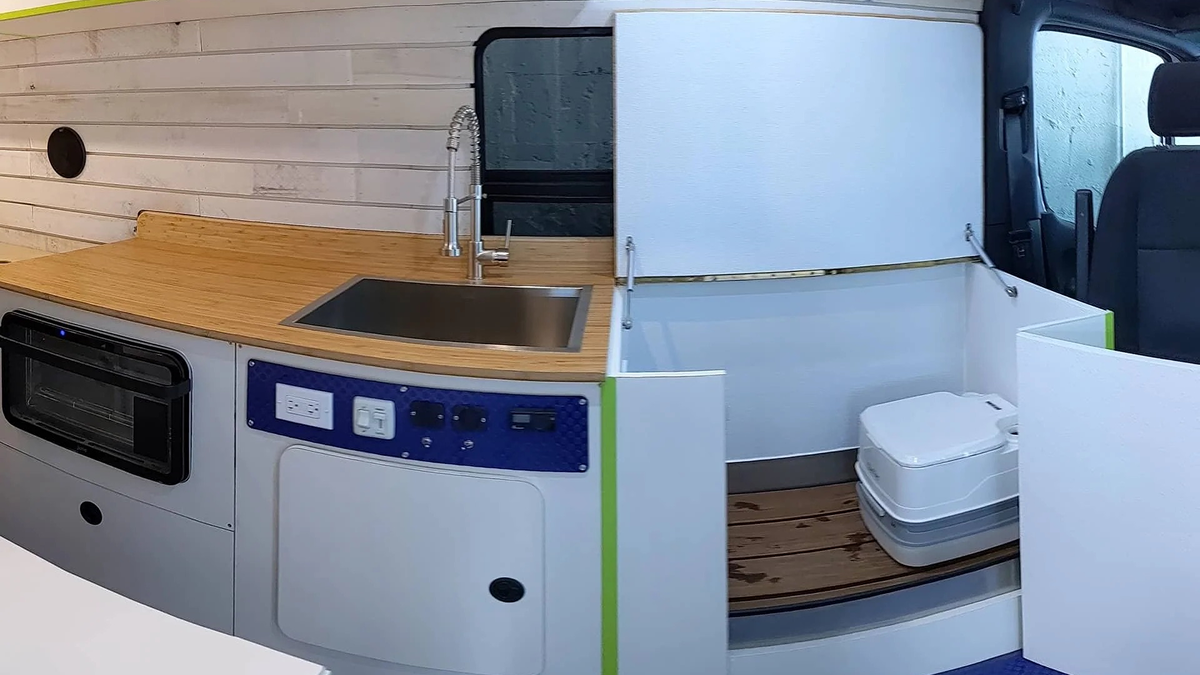
Cassette toilet setup: an enclosed portable toilet cabinet with no dedicated shower
Hidden bathroom: a convertible space that functions as a shower when deployed
Do You Really Need a Bathroom in Your Van?
Not every build needs one. The right answer depends on how and where you travel.
Who benefits most from a conversion van with bathroom setup.
Full-time vanlifers who rely on the van as their only home
Families with children or elderly passengers
Off-grid travelers without reliable access to facilities
Who can comfortably skip it.
Weekend travelers with regular access to gyms or campgrounds
Urban vanlifers near public facilities
Budget builds where floor space serves multiple functions
Full-time van lifers will find a bathroom changes the entire build. Shorter-trip builders rarely need the same level of commitment.
Types of Van Bathrooms
Wet Bath
The most common choice for a camper van with shower build. Everything lives in one waterproof room. It takes up meaningful floor space but delivers real shower functionality.
Hidden Bathroom
A space-saving design that folds away when not in use. Popular in shorter van builds where floor space matters more than comfort.
Rear Full Bathroom
The luxury option. An extended Sprinter provides enough room to stand and use separate fixtures. It commits the entire rear of the van to the bathroom.
Portable Toilet Setup
The budget-friendly entry point. A cassette toilet in an enclosed cabinet handles the basics without permanent plumbing. Best for occasional use rather than full-time vanlife.
Best Vans for Bathroom Conversions
Roof height and interior width matter most. High-roof cargo vans are required for any standing shower setup.
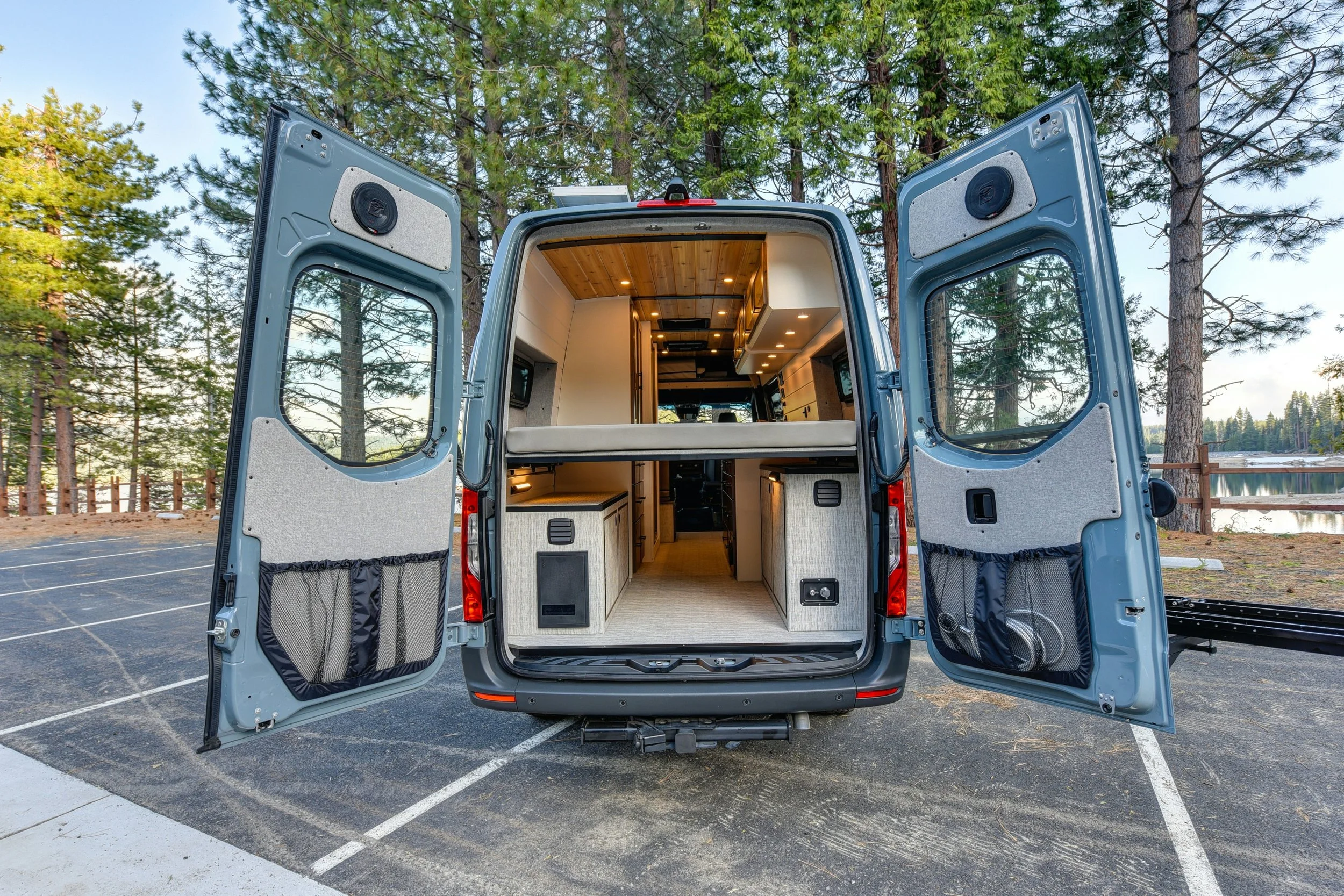
The Mercedes-Benz Sprinter dominates bathroom-capable builds. The extended high-roof configuration provides the vertical clearance and floor length for a proper wet bath. The full chassis breakdown is in this guide on choosing the best van for a conversion and build costs.
The Ford Transit high-roof is the second most popular option. Its interior is slightly narrower, which affects rear bathroom layouts more than compact wet baths.
The RAM ProMaster has the widest cargo floor of the three and suits tight bathroom designs well. This guide on RAM ProMaster conversions covers why it works for custom builds.
Key Systems Behind a Van Bathroom
Water System
A complete system requires a fresh water tank, a grey water tank, and a 12V pump. A 20 to 30 gallon fresh tank supports two to four days of conservative shower use for one person.
Plumbing and Pumps
The pump draws from the fresh tank and delivers pressure to the shower and sink. The van conversion process guide walks through how these systems connect across the full build.
Heating
A compact propane or electric on-demand water heater provides hot water without storing heated water between uses. Most full-time builds mount the unit in a ventilated exterior compartment.
Ventilation
A bathroom without adequate ventilation develops mold fast. A dedicated roof vent fan rated for moisture is essential in any wet bath van setup. The main living area fan is not a substitute.
How Much Does a Conversion Van Bathroom Cost?
DIY van bathroom materials.
Wet bath materials: $1,500 to $4,000
Tools: $300 to $700
Water system components: $600 to $1,500
Time: 40 to 80 hours of build work
Professional conversion van with bathroom pricing.
Entry-level wet bath build: $5,000 to $10,000
Mid-range full bathroom: $10,000 to $18,000
Luxury rear bathroom layout: $18,000 to $35,000+
Grey tank dump station access, pump maintenance, annual sealant reapplication, and water heater servicing are costs most builders underestimate.
Common Mistakes When Adding a Bathroom to a Van
These errors show up most often in first-time builds.
Underestimating how much floor space a wet bath removes from the living area
Skipping a dedicated bathroom vent fan and relying on the main roof vent
Sizing the fresh tank for camping rather than daily showering
Running plumbing lines before walls and insulation are fully sealed
Choosing a portable toilet as temporary and never upgrading
Real Layout Ideas
144-inch Sprinter rear bathroom
A full wet bath at the rear with the bed running lengthwise toward the cab. This is the most livable full-time layout. Fresh and grey tanks mount under the floor behind the rear axle.
Hidden shower in a 148-inch Transit
The shower pan stows under a hinged floor panel. A curtain deploys from a ceiling track. Floor space is fully reclaimed when the shower is packed away.
Cassette toilet in a short-wheelbase van
A cabinet beside the rear doors houses the toilet with no plumbing required. This suits builders who use gym or campground showers and need a private overnight toilet option. Before committing to a layout, this guide on used conversion vans versus new helps narrow down the right starting platform.
DIY vs Professional Build
Both paths produce a working conversion van with bathroom. The gap is in reliability and time.
DIY advantages include lower upfront cost, full design control, and flexibility to modify later. The main risks are plumbing mistakes, mold from poor sealing, and a steep learning curve on water system design. Nomadasaurus' van water system guide is the most thorough public resource for DIY van plumbing.
Professional builds deliver optimized layouts and tested systems. The tradeoff is higher upfront cost and less flexibility in entry-level packages.
When It Makes Sense to Hire a Professional Builder
Full-time vanlife
A failed water line or poorly sealed wet bath is a serious problem when the van is your only home. Professional builds include warranties.Many DIY builders skip the bathroom entirely because of the water system complexity involved.
Complex systems
Rear full bathroom layouts with on-demand hot water and grey tank management require coordinated plumbing. This is beyond most first-time DIY skill levels.
High-end builds
Luxury bathroom finishes require tile work, custom fixtures, and waterproofing that benefits from professional execution.
Why Builders Like Mango Vans Stand Out
Mango Vans designs custom van conversions with real-world vanlife use in mind. Bathroom layouts are optimized for usable floor space. Plumbing systems are designed, tested, and built by experienced builders in South Florida's humid, year-round conditions.For full-time and commercial builds, reliability is the priority. That shows in builds that last.
Final Thoughts
A conversion van with bathroom changes how you travel. It costs more, takes more space, and adds complexity. It also gives you independence from campground facilities and the comfort that makes full-time vanlife sustainable.
Smart planning separates bathrooms that work for years from ones that fail on the first long trip. The custom van builds page at Mango Vans shows what a professional bathroom conversion looks like.
Frequently Asked Questions
What is a wet bath in a conversion van?
A wet bath is a single waterproof room where shower and toilet share one space. It's the most space-efficient way to include both fixtures in a camper van with shower and toilet.
How much space does a van bathroom take up?
A wet bath takes 20 to 30 square feet. A hidden bathroom uses 10 to 15 square feet. A rear full bathroom in an extended Sprinter uses 35 to 50 square feet.
Can you add a shower to any conversion van?
Most high-roof cargo vans can accommodate a shower with the right layout. A Sprinter van with bathroom is the most common platform due to height and floor length. Low-roof vans make standing showers impractical.
What is a cassette toilet?
A cassette toilet is a portable toilet with a removable waste cartridge that mounts inside a cabinet. It requires no permanent plumbing and is the most common budget option for short-trip van builds.
How much water does a van shower use?
A conservative van shower uses two to four gallons per person. A 25-gallon tank supports four to six showers with careful use. Factor in daily cooking and drinking water when sizing the tank.
What is the best van for a bathroom conversion?
The Mercedes Sprinter in the extended high-roof configuration is the most capable platform. The 144-inch wheelbase provides enough rear space for a full wet bath. The Ford Transit and RAM ProMaster are strong alternatives.
Do you need a grey water tank in a van bathroom?
Yes. Any van with a shower or sink needs a grey water tank. Most states require disposal at approved dump stations. Size the grey tank equal to or larger than the fresh water tank.
How long does it take to build a van bathroom?
A DIY wet bath takes 40 to 80 hours including plumbing, waterproofing, and fixture installation. Professional builders complete the same scope faster. Water system design and layout planning add time before installation begins.
What is the most common van bathroom mistake?
Poor ventilation. A wet bath without a dedicated vent fan builds moisture that causes mold inside wall panels and under the floor. It is one of the costliest repairs in any camper van bathroom build.
Is a van bathroom worth the cost?
For full-time vanlifers and off-grid travelers, yes. The cost and space tradeoffs are real, but independence from campground facilities is significant. For weekend use, gym memberships or campground access often make more financial sense.