Is a Backwoods Sprinter Bumper Worth It? A Beginner's Guide to Sprinter Bumper Upgrades
The stock Mercedes-Benz Sprinter bumper is designed for commercial use. It handles minor parking impacts and nothing more. For off-grid travelers and overlanders, that is rarely enough.
The backwoods Sprinter bumper is an aftermarket upgrade that replaces the factory plastic with a structural aluminum and steel system. It adds real protection, winch compatibility, and recovery points built for demanding terrain.
This guide covers what these bumpers are, who needs one, and how to decide if it belongs on your build.
What Is a Backwoods Sprinter Bumper?
A backwoods Sprinter bumper is an aftermarket unit made by Backwoods Adventure Mods. The company is based in Springdale, Arkansas and builds exclusively for the van and mid-size 4x4 market.
Their bumpers use a hybrid approach. The bumper body is built from 3/16-inch 5052 aluminum. The mounting brackets and winch cradle use 1/4-inch steel. Aluminum handles weight reduction while steel carries the structural loads. The result is a bumper that weighs around 130 pounds and meets the demands of serious off-road use.
Every unit is built for specific Sprinter configurations. Sensor cutout locations for adaptive cruise control and parking assist are machined into the design. This is not a universal-fit product.
A thorough Sprinter van platform comparison would be helpful to understand why the Sprinter dominates expedition builds.
Why Do Sprinter Vans Need Upgraded Bumpers?
The factory Sprinter bumper is plastic. It offers no rated recovery points and minimal departure angle clearance. On graded dirt roads or technical terrain, it cannot support a winch or handle debris impact.
Aftermarket bumpers solve three problems the stock unit cannot.
Protection against rocks, brush, and terrain hazards at the front of the van
Rated recovery points for vehicle extraction when stuck
A mounting platform for a winch, light bar, and off-road accessories
Expedition Portal's Sprinter off-road build review ranks integrated recovery points among the highest-value protection upgrades for a Sprinter build.
Types of Backwoods Sprinter Bumpers
Three bumper categories cover different needs in a van build.
Front Bumpers
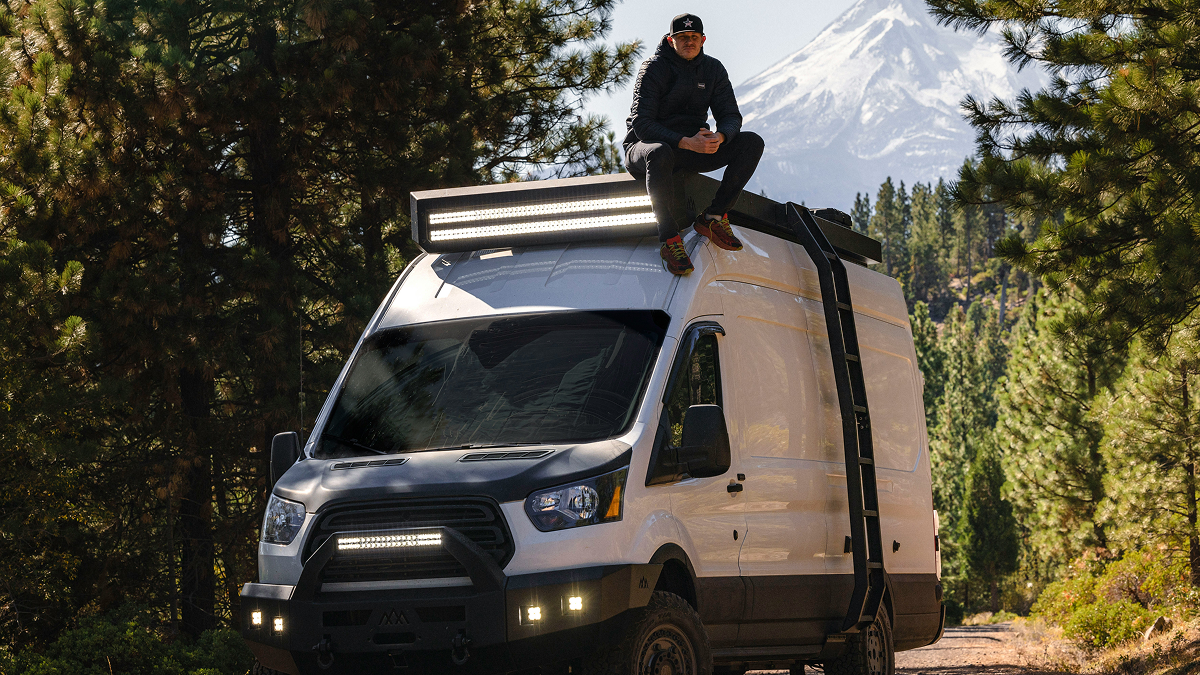
The front bumper replaces the factory plastic with full aluminum coverage. A winch mount and four light cutouts come standard. The Nomad series offers an optional bull bar. This adds a horizontal steel loop above the bumper face for upper protection and light bar mounting.
Rear Bumpers
The rear bumper adds departure angle clearance and an integrated step at the back of the van. It retains the factory receiver hitch position and includes cutouts for blind spot assistance sensors on equipped Sprinters.
Swing-Out Bumpers
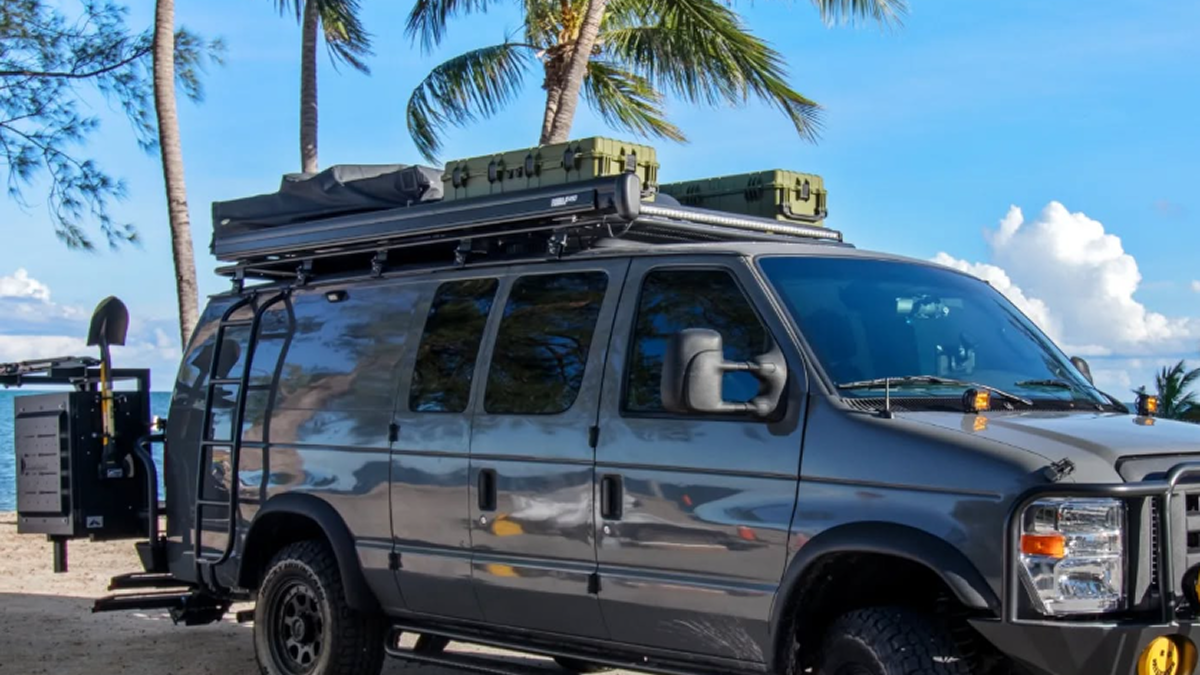
The swing-out rear bumper has two modular doors that open independently. Each door accepts bolt-on accessories including a spare tire carrier, drop-down toolboxes, a cabinet storage box, and an upper rack. This is the go-to setup for full-time travelers who need rear gear storage and tire access.
Scout vs Nomad
Backwoods Adventure Mods produces two series. This is the most common question for buyers.
The Scout sits close to the factory body lines. It suits builders who want protection and winch capability without a heavy off-road aesthetic. The Nomad prioritizes maximum frontal coverage and trail function over visual restraint.
Features to Look for in a Sprinter Bumper
Winch compatibility is the first thing to verify.
Backwoods bumpers are rated for WARN VR-EVO and Zeon series winches. If you plan to add a different winch brand, confirm fitment before ordering.
Sensor compatibility matters on 2019 and later Sprinters.
These vans carry adaptive cruise, parking sensors, and blind spot assist from the factory. A well-designed bumper includes machined cutouts so these systems remain functional after installation.
Material weight affects payload.
Overland Journal's vehicle modification guide notes that bumper weight directly reduces available payload capacity. On a loaded van, this adds up quickly.
Airflow specs are often overlooked.
The Sprinter requires specific cooling airflow to the front radiator. Backwoods bumpers are engineered to exceed Mercedes' airflow requirements. Not all aftermarket options meet this standard.
Will a Backwoods Bumper Fit Your Sprinter?
The 2019 model year is the primary compatibility cutoff. The sixth-generation Sprinter changed the body panels, sensor positions, and front fascia. Bumpers built for 2014 to 2018 models do not fit 2019 and later vans.
For the rear swing-out, the 3500 Dually in the 144-inch wheelbase is excluded from standard fitment. Confirm this against your specific VIN before ordering.
This used vs new Sprinter guide covers model year differences and what to check on used stock.
How Difficult Is Installation?
A front bumper installation involves removing the factory cover and brackets. The new unit then bolts to the frame with provided hardware. Backwoods includes vehicle-specific hardware and printed instructions with every order.
Weight is the biggest practical challenge. At 130-plus pounds, a second person is required to safely position the bumper during installation. Most DIY builders with basic hand tools finish a front bumper install in four to six hours.
Rear swing-out installations take longer due to the added components. The van conversion process guide covers accessory and upgrade installs in the broader context of a Sprinter build.
Pros and Cons
Pros.
Structural protection against terrain hazards at both ends of the van
Integrated recovery and winch mounting points
Sensor-compatible design retains factory safety systems
Modular swing-out expands rear storage and gear capacity
Limited lifetime warranty on all products
Cons.
130-plus pounds of added weight affects payload and handling
Front bumper pricing starts above $1,000
2019 generation cutoff excludes older Sprinter models from standard fitment
Professional installation adds cost for builders without DIY confidence
Are Backwoods Sprinter Bumpers Worth It?
For most buyers, the answer depends on how the van is used.
A backwoods Sprinter bumper makes strong sense for overlanders and full-time travelers. Anyone who regularly drives unpaved roads or needs winch recovery capability will find immediate value. The swing-out rear system adds meaningful storage infrastructure for long-term builds.
For full-time van lifers, a bumper upgrade fits naturally into the overall build priority order.
Professional service operators running Sprinters in demanding environments benefit similarly. Mobile health and service vans operating in rural areas need the same protection and recovery infrastructure that overlanders rely on.
Weekend campers on paved roads and urban van lifers who never leave established routes will see less value. The cost and weight may not justify the upgrade for light-use builds.
Alternatives to Backwoods Bumpers
Several other manufacturers make Sprinter-compatible aftermarket bumpers. Aluminess and Van Compass are the most established.
Aluminess builds modular aluminum systems with a long track record in the Sprinter van community. Van Compass specializes in full suspension and armor packages. Backwoods sits between the two. It offers better construction than generic options at more accessible pricing than full armor kits.
Professional Installation
The mechanical steps of a bumper install are not complex. The weight, torque requirements, and sensor integration details can trip up first-time installers.
Mango Vans handles Sprinter accessory installations alongside full van conversions out of South Florida. For builders adding a bumper as part of a larger build, professional installation avoids the need to revisit fitment later. The custom van builds page shows the full range of Sprinter builds and upgrades available.
Frequently Asked Questions
What does a Sprinter bumper do?
An aftermarket Sprinter bumper replaces the factory plastic with a structural aluminum and steel unit. It adds protection against terrain hazards, rated recovery points, and a mounting platform for a winch, lights, and accessories.
Is a winch-ready bumper necessary?
For serious off-road use, yes. A winch mount is essential when the van could get stuck in mud, sand, or rough terrain. For paved roads and maintained campsites, a winch adds weight without practical benefit.
Do bumpers affect fuel efficiency?
Yes. Adding 130 or more pounds increases weight and aerodynamic drag. The effect is modest on short trips but measurable on long highway drives. Aluminum bumpers reduce this impact versus all-steel units.
Can I install it myself?
Yes, with a second person to manage the weight. Backwoods includes installation instructions and vehicle-specific hardware with every order. Most DIY builders complete a front bumper install in four to six hours.
What is the difference between Scout and Nomad bumpers?
The Scout has a low-profile design that integrates closely with the factory body lines. The Nomad offers more aggressive full-coverage protection. Both are winch-ready and sensor-compatible. The choice comes down to aesthetics versus maximum protection.
Will a Backwoods bumper fit my Sprinter?
Standard fitment covers 2019 and later Mercedes-Benz Sprinter vans. The 2014 to 2018 generation requires different configurations. The 3500 Dually in the 144-inch wheelbase is excluded from some rear bumper fitments.
How much does a Backwoods Sprinter bumper cost?
Front bumpers start above $1,000. Rear swing-out systems with accessories range from $2,000 to $3,500 or more depending on configuration. All products carry a limited lifetime warranty.
What material is a Backwoods bumper made from?
The bumper body uses 3/16-inch 5052 aluminum. Mounting brackets and the winch cradle use 1/4-inch steel. The hybrid design saves weight while maintaining strength at the high-load connection points.
Does a Sprinter bumper affect towing capacity?
Not directly. Rear bumper models retain the factory receiver hitch position. The bumper weight does count against payload capacity, which matters on a fully loaded build.
How long does installation take?
A front bumper install takes most DIY builders four to six hours. A rear swing-out takes longer due to additional components. Professional installers familiar with the platform complete both in less time.