Best Van to Convert to a Camper: Complete Comparison for Every Lifestyle
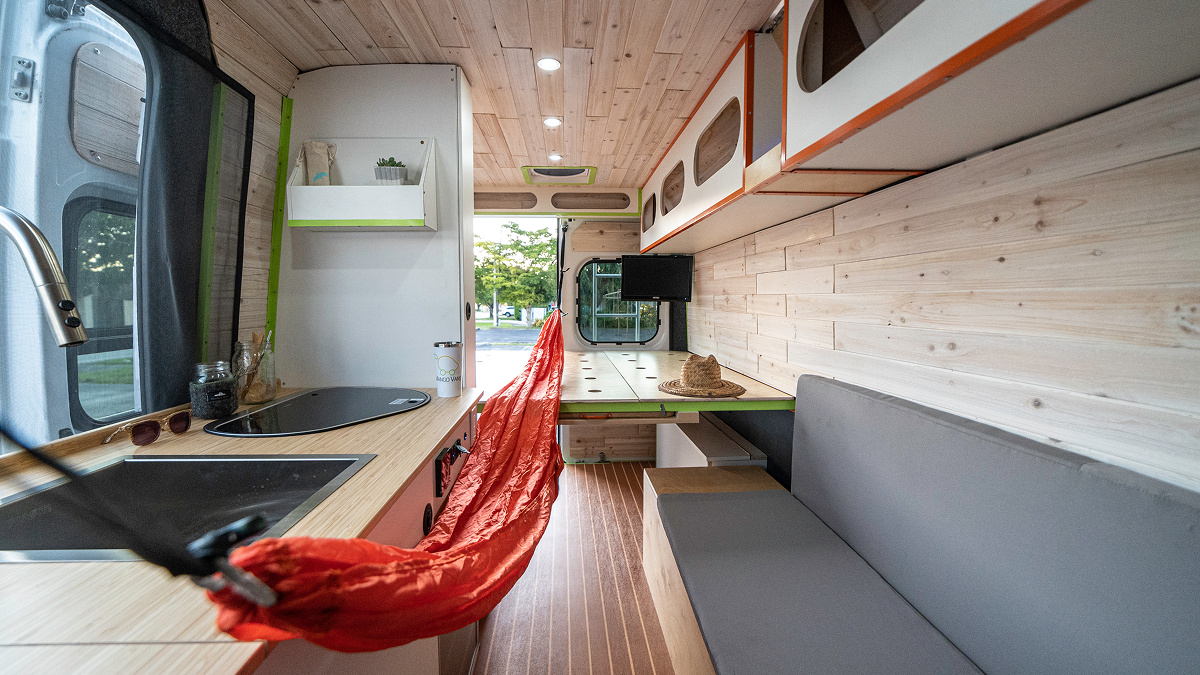
Choosing the best van to convert to a camper is the most important decision in any build. Get it right, and the rest of the project flows naturally. Get it wrong, and you're fighting the layout, the budget, and the build from day one.
The Sprinter, Transit, and ProMaster each offer something different. So do budget platforms like the Chevy Express and compact options like the Toyota Sienna.
This guide breaks down every major platform by space, cost, ease of conversion, and lifestyle fit.
What Makes a Van Good for Camper Conversion?
Not every van works equally well as a conversion base. Four factors separate the strong options from the frustrating ones.
Roof height determines whether you can stand upright inside. A high-roof van changes the entire livability of a build. Interior width affects bed orientation and whether a full-size mattress fits crossways or needs to run lengthwise.
Wheelbase controls how much floor space you have between the wheel wells and the rear doors. A deeper look at how these factors affect build cost and complexity is in this chassis comparison guide.
Reliability and parts availability matter more on the road than they do in a parking lot. A van that breaks down in a rural area needs local service options.
The 3 Best Vans for Camper Conversion
These three platforms handle the majority of camper van builds in the US. Each suits a different kind of builder.
Mercedes-Benz Sprinter
The Sprinter is the most capable high-roof cargo van for full-time off-grid builds. AWD and 4x4 options make it the top choice for remote travel. The high roof gives more standing clearance than any comparable platform.
The tradeoffs are real. Dealer networks are limited to major cities. Parts are expensive and can take time to source. Van life camper's guide notes that the Sprinter's premium reputation comes with premium maintenance costs. Many first-time owners are caught off guard by the servicing reality.
Ford Transit
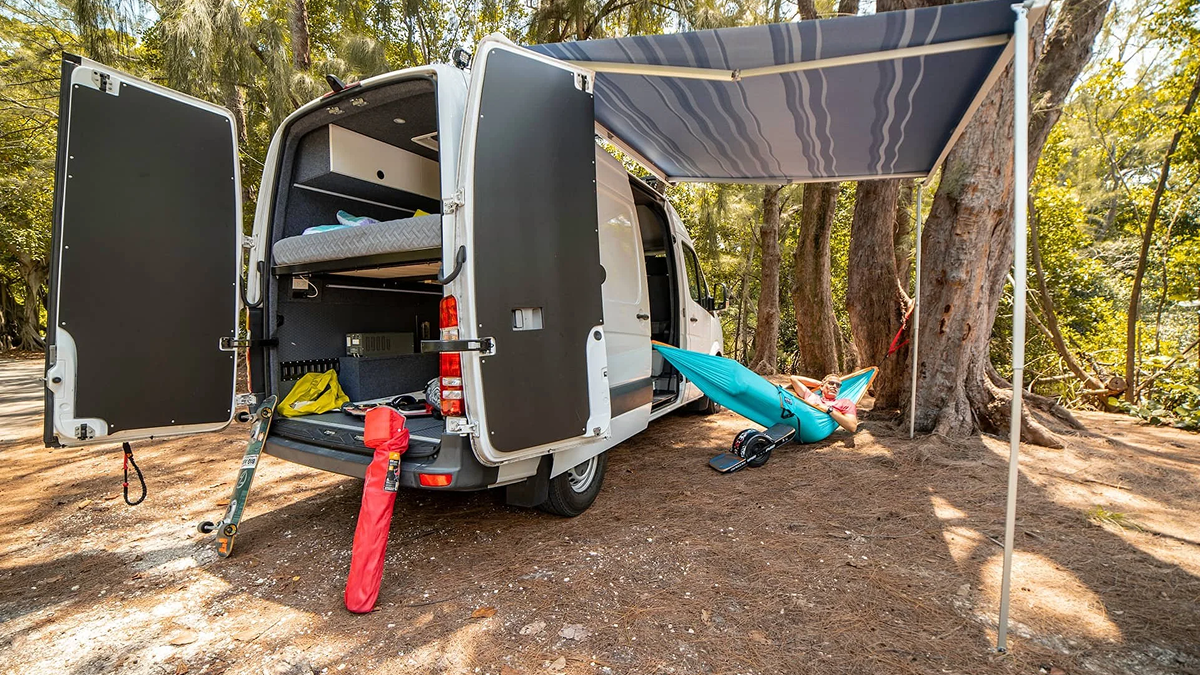
The Ford Transit is the best all-around van to convert to camper for most builders. It has the widest dealer network of the three, affordable parts, and an AWD option for light off-road use. The high-roof extended Transit provides enough floor space for a full bathroom, kitchen, and sleeping area.
The interior is slightly narrower than the ProMaster, which matters in tight bathroom layouts. For most builds, the tradeoff is worth it given the lower ownership costs.
RAM ProMaster
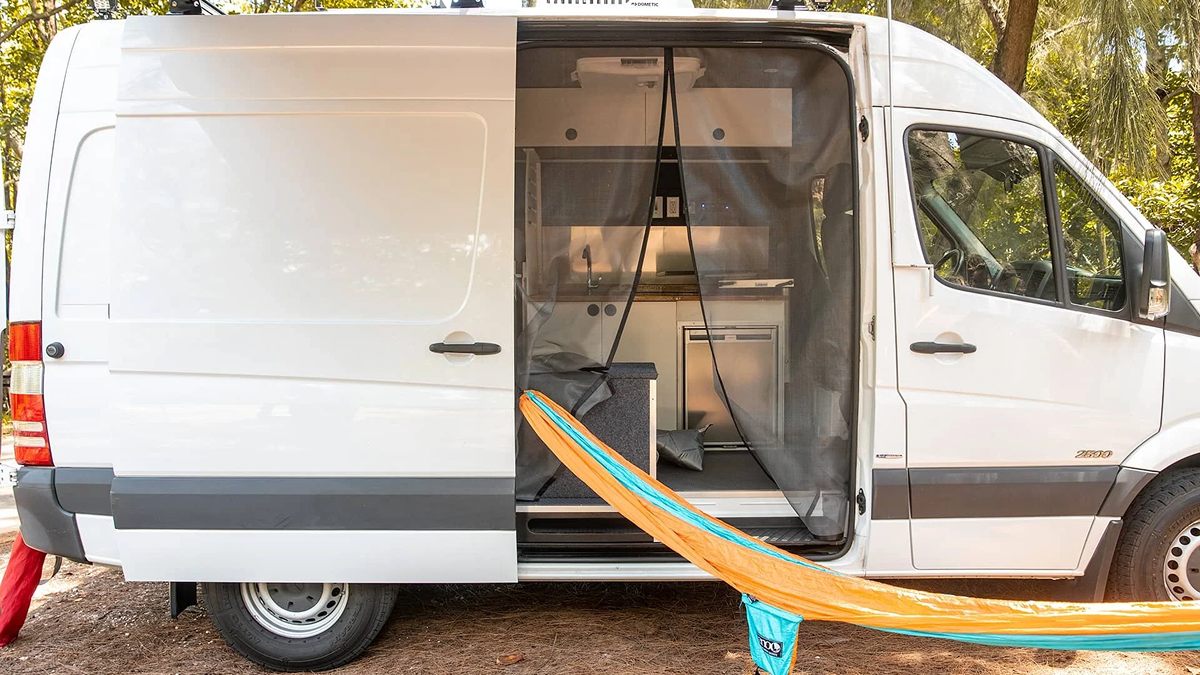
The RAM ProMaster has the widest interior of any cargo van in its class. That extra width makes crosswise bed placement easier and gives more room to work in during the build. It's the most straightforward platform for first-time DIY builders.
The main limitation is front-wheel drive only. There is no AWD or 4x4 option. For urban travel and mild terrain, this is rarely a problem. For serious off-grid use, it's a meaningful constraint. The full breakdown is in this RAM ProMaster conversion guide.
Best Budget Vans for Camper Conversion
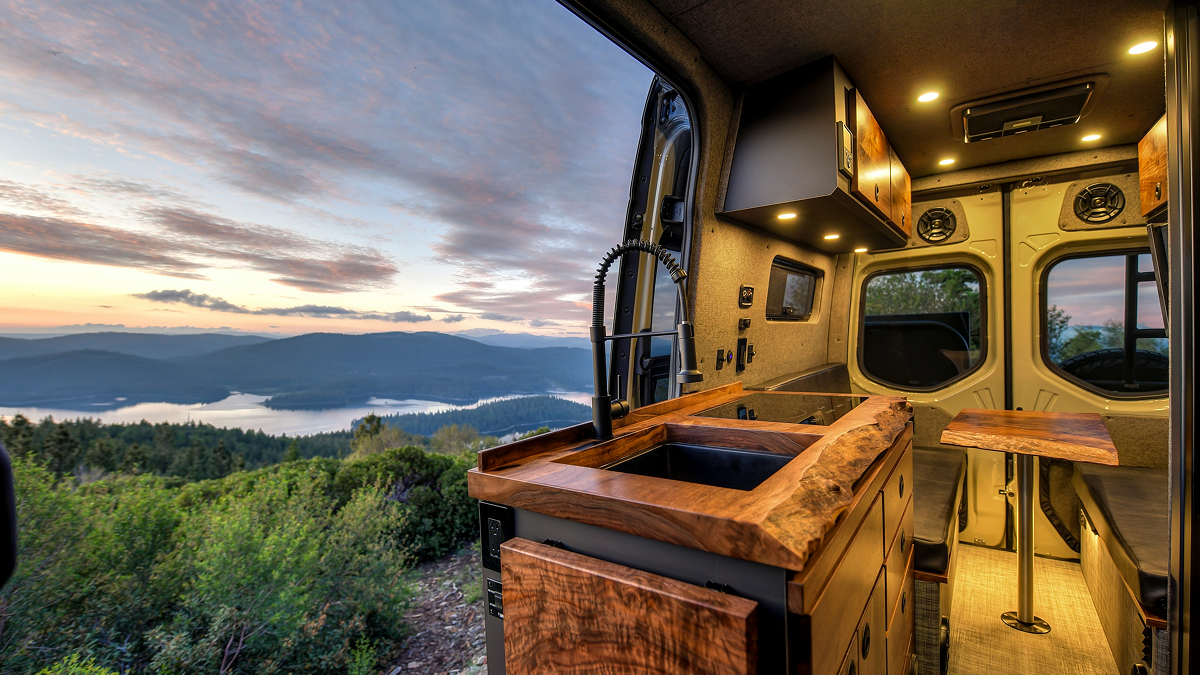
The Chevy Express and GMC Savana are the most affordable entry points into a camper van build. Both are widely available used and have excellent parts networks across the country.
The main limitation is roof height. Neither comes in a true high-roof configuration. Most builders end up with a raised roof conversion or a layout that works around the standing height issue. Before buying any used platform, this guide on used conversion vans versus new covers what to check before committing.
The Ford Econoline is another popular budget option. It shares much of the same parts network as the F-150 and is easy to service anywhere in the US.
Best Small Vans for Stealth and City Builds
The Toyota Sienna and similar compact vans are the best van to convert to camper for urban travelers. A minivan profile draws less attention in city parking and fits standard parking spaces.
The tradeoffs are significant space limitations. A full standing build is not possible. Most minivan conversions focus on a sleeping platform, compact storage, and basic cooking setup. These builds suit solo travelers and couples who value discretion over comfort.
How to Choose the Right Van for Your Lifestyle
The best platform depends entirely on how you travel. These five profiles match to specific van choices.
Solo traveler
Any high-roof cargo van works. The ProMaster or Transit both provide enough space for a single-person build without overcomplicating the layout.
Couple
A 148-inch or extended high-roof van works well for two people. A Transit or Sprinter provides a dedicated sleeping area, kitchen, and storage. AWD becomes more relevant for couples who travel off-grid.
Family
A Sprinter extended wheelbase is the most practical family platform. It supports bunk-style sleeping, a kitchen, and a bathroom. This remote work van life guide is useful reading for full-time travelers planning extended trips.
Weekend adventurer
The ProMaster or standard Transit handles weekend builds well. Lower acquisition cost leaves more budget for conversion components.
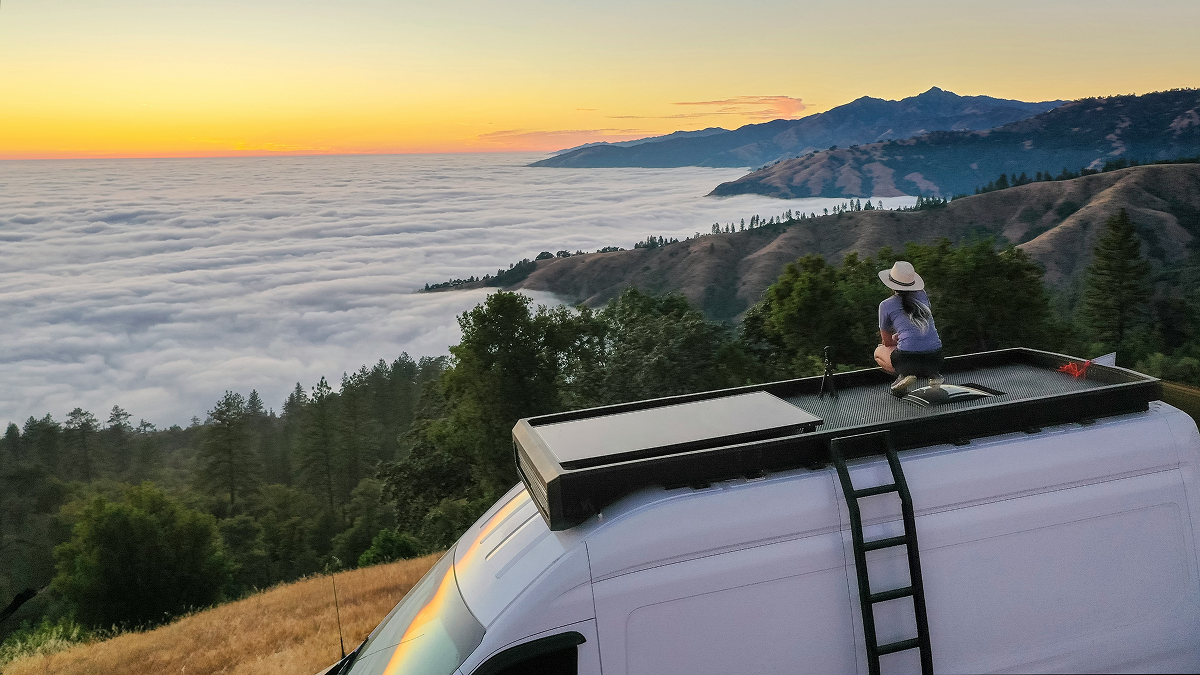
Key Trade-Offs Most People Overlook
Four tradeoffs shape the real-world ownership experience of any camper van conversion.
Cost and comfort pull in opposite directions. The Sprinter delivers more capability but costs more to own and repair. Budget platforms sacrifice height and space but keep operating costs low.
Space and drivability involve real compromises. Longer wheelbases give more floor area but are harder to park in cities. The 148-inch wheelbase is often the practical sweet spot.
DIY builds favor vans that are easier to work in. Wider interiors and flatter floors reduce build time and difficulty.
Fuel efficiency and size trade off similarly. A diesel Sprinter gets better highway mileage than a gas Transit. Higher fuel and maintenance costs often offset that advantage over time.
How Your Van Choice Affects Your Conversion Build
The van platform shapes what is possible in the build. This is where many buyers underestimate the connection between vehicle choice and conversion outcome.
A narrow interior forces lengthwise bed placement, which takes up more floor space. A low roof rules out standing height. A short wheelbase limits how many systems fit between the wheel wells and the rear doors. The Manual's van conversion tips guide covers how platform and space decisions shape the livability of the final build.
The van conversion process guide shows how platform choice flows into layout decisions from the start.
DIY vs Professional Conversion
Both routes produce a working camper van. The outcomes differ by time, risk, and quality.
DIY advantages include lower upfront cost and full control over design. Layout mistakes are expensive to undo. Electrical and plumbing errors take time to diagnose on the road.
Professional builds deliver optimized layouts, tested systems, and better resale value. For complex builds, professional execution reduces risk significantly. Failures in year one are far less common.
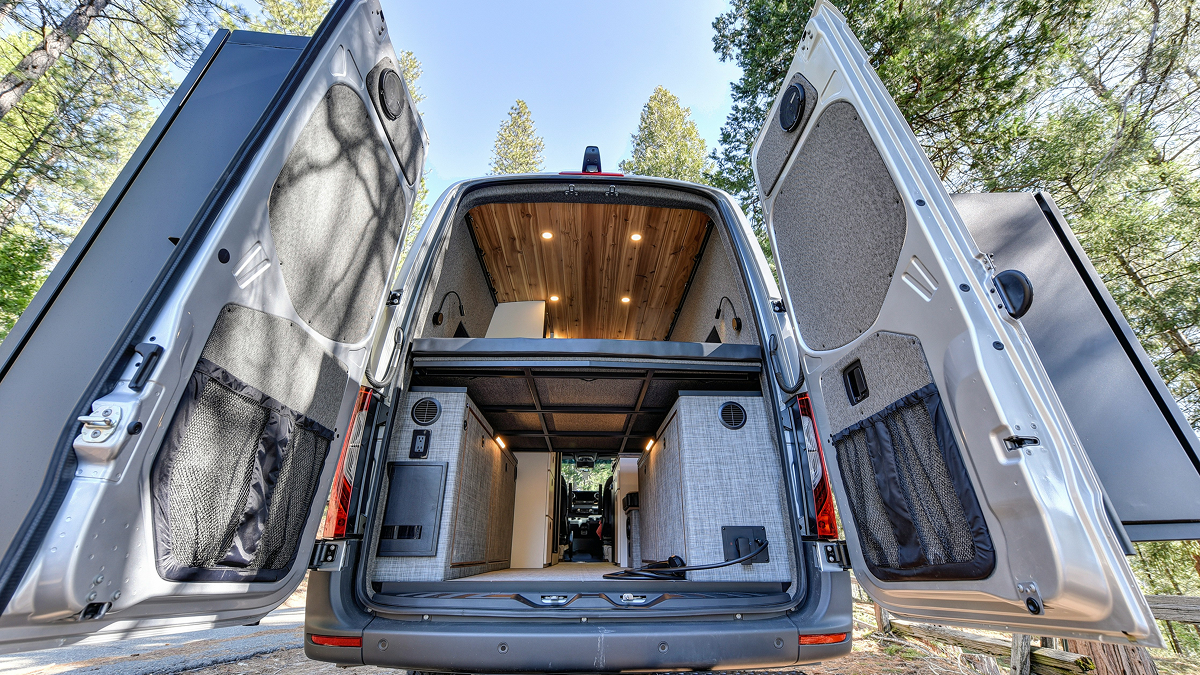
When It's Worth Hiring a Professional Builder
Three situations consistently favor a professional build over DIY.
Complex systems
Any build with a full bathroom, solar and lithium battery bank, and on-demand hot water requires coordinated work. Mistakes in one system affect the others.
Full-time van life
When the van is your only home, a failed system is a crisis. Professional builds come with warranties and tested components.
Limited time or experience
The full build process takes 200 to 400 hours. Electrical and plumbing work require skills most first-time builders develop as they go. A professional build is often the faster and lower-risk path.
Why Builders Like Mango Vans Can Make a Difference
Mango Vans builds custom adventure and commercial van conversions out of South Florida. Every build starts with matching the right van platform to the right layout. That connection between vehicle, layout, and systems is what makes a build work long-term.
The team has experience across the Sprinter, Transit, and ProMaster platforms. That range matters when the best van for the job depends on the build, not just brand preference.
Final Verdict
There is no single best van to convert to camper. The right choice depends on your budget, travel style, and build goals. The Sprinter wins on capability. The Transit wins on value and serviceability. The ProMaster wins on interior space and ease of building.
The most important step is matching the platform to the lifestyle before buying. The custom van builds page at Mango Vans shows what a professionally built conversion looks like.
Frequently Asked Questions
What is the best van to convert to camper?
The Ford Transit is the best all-around choice for most builders. It balances space, parts availability, and cost. The Sprinter suits off-grid builds. The ProMaster suits budget builds and wide layouts.
Which van is easiest to convert?
The RAM ProMaster is widely considered the easiest to build in. Its wide, flat cargo floor simplifies furniture placement and plumbing. The lack of AWD is the only significant limitation.
Is it worth converting a van?
Yes, for most travel lifestyles. A DIY camper van build costs $3,000 to $10,000 in materials. That is far less than a manufactured Class B RV. The tradeoff is time and skill.
What size van is best for camper conversion?
The 148-inch extended high-roof is the most practical size. It provides enough floor space for a bed, kitchen, and storage without being too long for standard parking.
Is the Sprinter or Transit better for a camper build?
The Transit is better for most builders due to lower cost and better service access. The Sprinter is better for serious off-grid use where AWD and diesel range matter more than operating costs.
How much does a van camper conversion cost?
A basic DIY build costs $3,000 to $7,000 in materials. A mid-range build with solar, a bathroom, and custom furniture runs $7,000 to $15,000. Professional builds start at $20,000 and scale with complexity.
Can a passenger van be converted to a camper?
Yes, but cargo vans are better starting points. Passenger vans require removing seats and hardware that adds time and cost. A high-roof cargo van gives more usable space from the start.
What is the best budget van for camper conversion?
The RAM ProMaster or a used Chevy Express are the most affordable starting points. Both offer large cargo areas at lower acquisition costs than the Sprinter or a new Transit.
Is AWD important for a camper van?
AWD matters for off-grid travelers who frequently drive unpaved roads. For urban and highway travel, it adds cost without meaningful benefit. The Ford Transit and Sprinter both offer AWD options.
What van is best for full-time van life?
The Ford Transit extended high-roof is the most practical full-time platform. It balances interior space, reliability, and serviceability. The Sprinter is a strong alternative for builders prioritizing off-grid capability over cost.