What Does a Ford Transit Camper Conversion Kit Actually Get You and What It Leaves Out
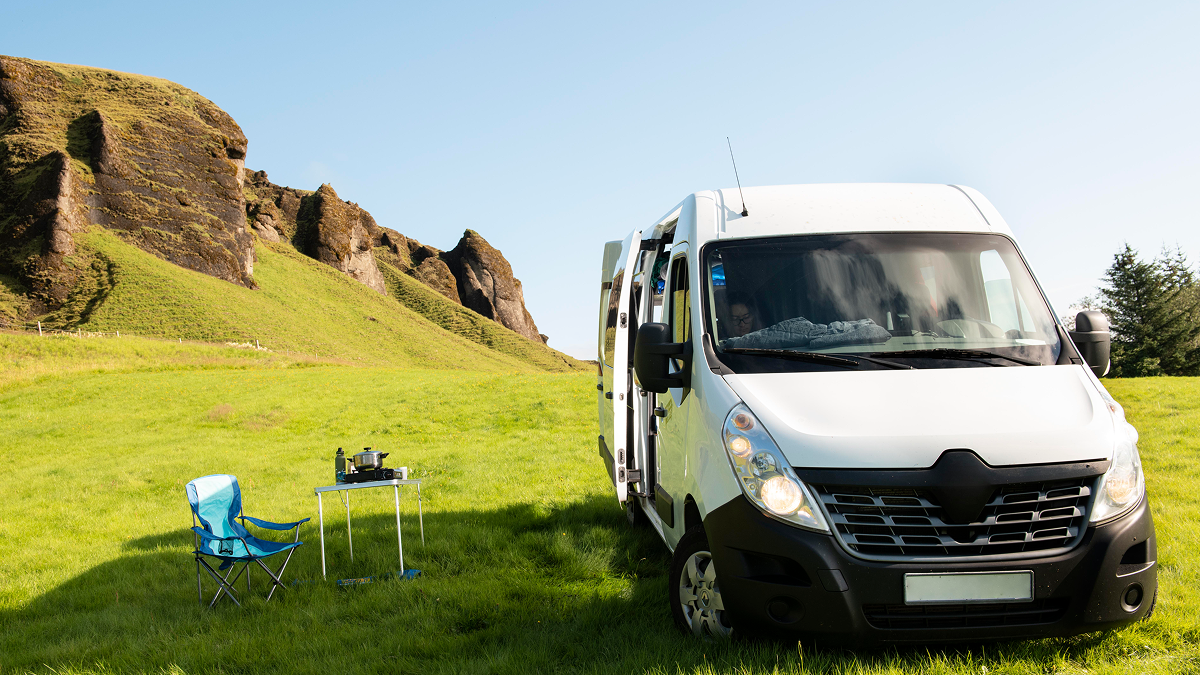
A Ford Transit camper conversion kit sounds like a shortcut to van life. In practice, kits cover the furniture and panels, not the systems that make a van livable. Before spending money on a kit, it is worth understanding what comes in the package and where the gaps are. This guide breaks down kit categories and explains what builders still need to source. It also helps you decide which approach is right.
What Is a Ford Transit Conversion Kit?
A Ford Transit camper conversion kit is a set of pre-designed, modular interior components made to fit specific Transit configurations. Most kits target the 148-inch high-roof wheelbase, which offers the most floor length and standing clearance in the Transit lineup.
Two main kit types exist. Modular kits use bolt-in or magnetic mounting systems. They install quickly and can be removed without damaging the van. Full interior packages include more components but are not as easily reversed. Both give you a head start on the build but neither delivers a complete van.
The Ford Transit is designed to accept aftermarket van conversion components. Choosing the right Transit configuration before buying a kit matters. Wheelbase, roof height, and cargo length all determine which products fit and how much floor space you have.
Core Components in Most Conversion Kits
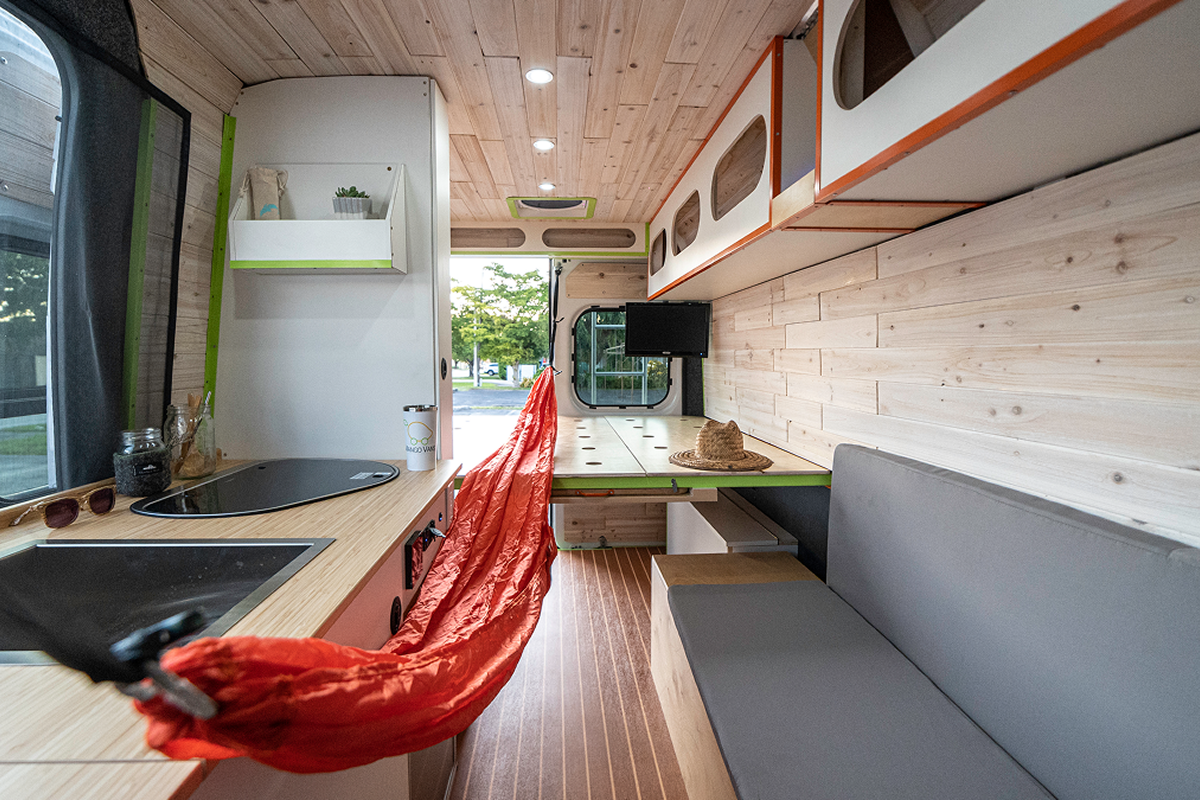
Most ford transit camper conversion kits share a common set of components. Understanding what each one includes helps set realistic expectations before you buy.
Bed System
Kit bed systems typically include a plywood or aluminum platform, mounting hardware, and a foam mattress. Fixed platforms run lengthwise against one wall. Convertible systems fold up during the day to free floor space. Under-bed storage is included in most mid-range and premium kits.
Cabinetry and Storage
Most kits include an overhead cabinet module, a kitchen galley unit, and a drawer system under the bed or countertop. Cabinet quality varies significantly. Budget kits use lightweight ply. Premium kits use more durable materials with soft-close hardware.
Flooring and Wall Panels
Insulated subfloor panels typically include a thin foam layer between the plywood and the van floor. Vinyl or laminate finish flooring lays over the top. Wall panel kits cover the cargo area sidewalls and may include roof lining. Panel quality affects insulation performance and interior appearance.
Kitchen Setup
Kit kitchens are basic. Most include a countertop surface, a small sink, and a manual or low-voltage pump feeding a compact water tank. Tank capacity is usually 5 to 10 gallons, which supports a few days of use at most. Built-in stoves or cooking surfaces are not standard in most kits and are sold separately.
Basic Electrical Components
Entry-level kit electrical packages typically include LED strip lighting, USB charging ports, and pre-run wiring harnesses for connecting a battery. Full solar systems, charge controllers, inverters, and battery banks are almost always sold separately. Understanding what a complete van electrical system requires before buying a kit avoids a common planning mistake. Electrical demands in a van build go well beyond what most kit packages provide.
Accessories and Add-ons
Most kits include a folding table, storage nets, and wall hooks. Higher-end kits add window shades, magnetic cabinet catches, and bed extensions for taller sleepers.
What Is Not Included in Most Kits
This is the section most kit buyers wish they had read first.
A conversion kit covers furniture and panels. It does not cover the systems that make a van functional for real travel.
Standard kit gaps most buyers encounter.
Solar panels and battery bank. Most kits include wiring hookups but no actual power generation or storage.
Shore power and inverter. Running 120V appliances requires an inverter and an AC hookup. Neither is standard.
Full plumbing. Kits include small tanks and basic sinks. Showers, hot water systems, and proper drainage require separate installation.
Climate control. No kit includes a rooftop AC unit, a diesel heater, or any active climate system.
Insulation. Thermal and acoustic insulation is separate from kit flooring panels. Without proper wall and ceiling insulation, temperature control is extremely difficult.
Layout optimization. Kits use fixed configurations. They do not account for your specific van dimensions, travel habits, or how all systems interact.
Buyers expecting a kit to deliver a livable van are often surprised. They frequently spend as much fixing gaps as they would on a full build.
Types of Ford Transit Conversion Kits
Modular Kits
Modular kits use removable mounting systems such as bolts or magnets. They let you install and remove the conversion without permanent modifications. These suit part-time travelers who also need the van for work or cargo. Installation time ranges from 25 minutes to a few hours. Cost typically runs $3,000 to $8,000.
Full Interior Packages
Full interior packages include more components and are closer to a complete DIY camper van interior. They typically require more installation time and semi-permanent mounting. Cost ranges from $8,000 to $20,000 depending on materials and included components.
| Feature | Modular kit | Full interior package |
|---|---|---|
| Install time | 25 min – 3 hrs | Half day to 2 days |
| Reversibility | Full | Limited |
| Component count | Low | Medium–high |
| Systems included | Basic | Basic |
| Cost | $3,000–$8,000 | $8,000–$20,000 |
Ford designed the Transit Trail specifically to simplify upfitter work. KBB notes that the Transit Trail includes drillable panels positioned where cabinets, shelves, and beds are likely to go. It also includes auxiliary power outlets and access to the Ford Pro certified upfitter network for professional installation.
How Much Do Conversion Kits Cost?
Entry-level modular kits start around $3,000 and cover a basic bed platform, minimal storage, and simple flooring. Mid-range kits in the $8,000 to $12,000 range include cabinetry, a kitchen galley unit, and better panel materials. Premium kits at $15,000 to $20,000 approach a near-complete interior but still leave electrical and plumbing systems to the buyer.
Hidden costs catch most first-time kit buyers off guard. These include insulation, a power system, tools, plumbing components, and rework when kit dimensions do not fit the van's interior. The Manual's coverage of Transit-based van builds shows how quickly costs escalate once buyers add the systems a kit leaves out. Even staged packages can push past $100,000 once power, suspension, and plumbing are fully integrated.
Budget for the kit plus 30 to 50 percent more for the systems and components the kit does not include.
Are Conversion Kits Worth It? Kit vs Custom Build
A ford transit camper conversion kit makes sense for a specific type of builder. It is not the right answer for everyone.
Kits work well for:
Weekend travelers who want a quick, reversible setup
Budget builds where simplicity is a priority
DIY enthusiasts who plan to source and install their own systems
Kits fall short for:
Full-time van life that requires reliable power, water, and climate control
Off-grid builds where solar, battery, and electrical integration is essential
Buyers who want a layout and system designed for how they actually travel
A professional conversion sequences and integrates all systems from the start. Electrical, plumbing, insulation, and cabinetry are designed to work together rather than assembled in isolation.
| Feature | Conversion kit | Custom build |
|---|---|---|
| Installation | DIY | Done for you |
| Systems integration | Limited | Fully integrated |
| Customization | Low–medium | High |
| Comfort level | Basic | Premium |
| Long-term reliability | Variable | Consistent |
Common Mistakes and Final Thoughts
The most common ford transit camper conversion kit mistakes are planning problems, not product problems.
Buying the wrong size kit. Not all kits fit all Transit configurations. Wheelbase and roof height determine fit. Verify before ordering.
Ignoring insulation. Panels do not replace proper wall and ceiling insulation. A van without insulation loses temperature rapidly.
Underestimating electrical needs. Pre-wired harnesses need a power system behind them. Planning the battery, solar, and inverter setup before buying a kit avoids expensive changes later.
Overloading storage. Every van has a payload rating. Heavy kits with dense cabinetry and full water tanks add up fast.
Avoiding the most common conversion mistakes starts before the first part is ordered. A kit is a reasonable starting point for the right builder with the right expectations. For those who want a fully livable van, a custom build is the more reliable path.
Mango Vans builds complete Ford Transit conversions out of South Florida. Layout, electrical, plumbing, and climate systems are integrated from the start. See thecompleted builds gallery for examples across adventure and commercial applications.
Frequently Asked Questions
What is included in a Ford Transit camper conversion kit?
Most kits include a bed platform, cabinetry, flooring panels, and a sink with a small water tank. LED lighting and USB wiring are also standard. Power systems and climate control are separate purchases.
Do conversion kits include electrical systems?
Most kits include pre-run wiring and basic LED lighting. Full solar systems, battery banks, charge controllers, and inverters are separate purchases.
Can I install a camper van kit myself?
Yes. Modular kits are designed for DIY installation and complete in a few hours. Full interior packages take longer and may require basic carpentry skills and tools.
How much does a Ford Transit conversion kit cost?
Kits range from around $3,000 for basic modular setups to $20,000 for premium full-interior packages. Add 30 to 50 percent for electrical, plumbing, and insulation components most kits leave out.
Are camper van kits worth it?
For weekend use and DIY builds with modest needs, yes. For full-time travel or off-grid use, the missing systems make a professional custom build a more practical long-term investment.
What is not included in most conversion kits?
Solar panels, battery banks, inverters, shore power, full plumbing, showers, heaters, and AC units are almost never included. Proper wall and ceiling insulation is also separate.
Can a kit support full-time van life?
Not without significant additions. Full-time van life requires a complete power system, reliable water supply, climate control, and proper insulation. Most kits provide only the furniture layer.
Do kits include plumbing systems?
Basic kits include a small sink and a manual pump feeding a compact water tank. Gray water drainage, fresh water tanks, hot water systems, and showers require separate installation.
How long does it take to install a kit?
A modular kit installs in 25 minutes to a few hours. A full interior package takes half a day to two days depending on complexity and the installer's experience.
Should I choose a kit or a custom van build?
A kit suits weekend travelers who want a basic, removable setup. A custom build suits full-time use, off-grid travel, or any build that requires integrated systems.