How to Design a Space-Saving Conversion Van Interior

A space-saving conversion van interior does not happen by accident. Most failed builds share the same root cause. Layout decisions made too late, after materials were already cut. Getting it right means planning every inch around how you actually live.
Most high-roof cargo vans offer between 65 and 80 square feet of usable interior space. That is enough for a functional bed, kitchen, storage, and workspace if the design is deliberate. It falls short fast when it is not.
Why Space-Saving Design Matters in Van Conversions
A van interior forces a trade-off that a home never does. Every element competes for the same limited floor plan. A fixed bed that maximizes sleeping comfort reduces daytime living area. A full kitchen setup reduces storage capacity. Ignoring these trade-offs at the planning stage locks you into them permanently once the build is done.
The goal of a space-saving conversion van interior is not to minimize what you have. It is to make every element serve more than one purpose and to sequence decisions in a logical order. Bed position determines kitchen placement. Kitchen placement determines storage options. Storage options determine how much floor space remains. Planning from the outside in separates builds that work from builds that get torn out and redone.
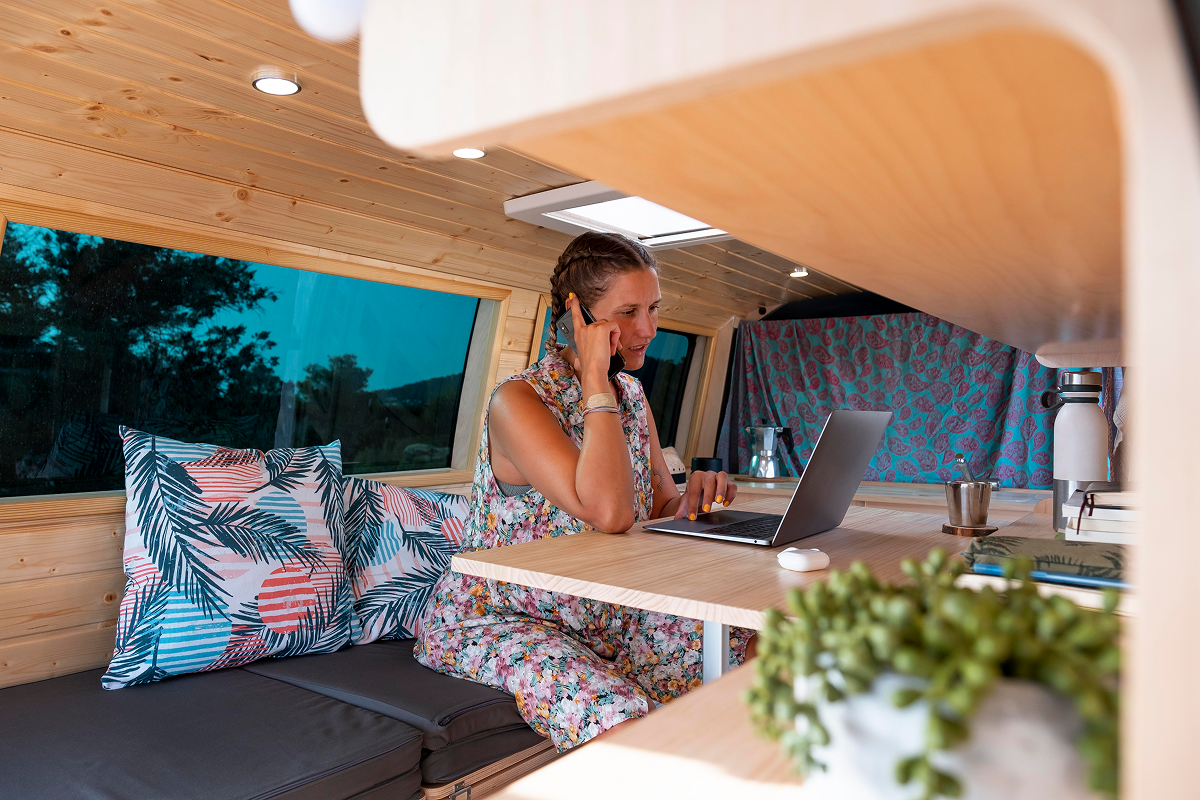
5 Proven Space-Saving Van Layouts
Choosing the right layout is the single most consequential decision in any conversion. The van platform you build on sets the outer limits, and the chassis affects every downstream cost. The layout determines how efficiently you use what is inside those limits.
1. Convertible Bed and Lounge Layout
A sofa or bench configuration converts into a sleeping platform at night. This layout maximizes daytime floor space and suits weekend travelers who spend most van hours awake and active. The trade-off is nightly setup time and a sleeping surface that is rarely as comfortable as a fixed bed.
2. Fixed Bed with Under-Storage
A permanent platform bed runs lengthwise or crosswise depending on van width. Under-bed drawers and cabinets deliver strong storage capacity. This layout suits solo travelers and couples who prioritize sleep quality and organization. It sacrifices the most floor space of any configuration.
3. Dinette-to-Bed Layout
Facing benches with a fold-flat table between them convert into a sleeping area by lowering the table to bench height. This layout suits couples and small families who need a real dining area. It requires more assembly steps than most layouts and produces an uneven sleeping surface.
4. Murphy Bed or Fold-Up Bed
A wall-mounted bed folds down from the side or rear wall and folds away completely during the day. This layout creates the most usable daytime floor space of any configuration. It requires solid wall anchoring and careful weight distribution and is best suited to professional builds.
5. Modular Multi-Zone Layout
Modular systems use removable or reconfigurable components to create different zones depending on the day. Gear storage, sleeping, working, and living areas can shift as needed. This layout suits experienced builders and active users who need their van to serve multiple functions across different trip types.
Layout comparison table.
| Layout | Space Efficiency | Comfort | Build Complexity |
|---|---|---|---|
| Convertible bed and lounge | High | Moderate | Low |
| Fixed bed with under-storage | Moderate | High | Low |
| Dinette-to-bed | Moderate | Moderate | Moderate |
| Murphy bed | Very high | High | High |
| Modular multi-zone | Very high | Variable | High |
Space-Saving Techniques That Actually Work
Multi-Functional Furniture
Every piece of furniture in a space-saving conversion van interior should do more than one job. Bench seating with lift-top storage eliminates the need for separate storage units. A foldable table mounted to a wall bracket removes the table footprint entirely when not in use. Pull-out cutting boards expand prep space without permanent countertop. Swivel front seats transform the cab area into a usable lounge or workspace when parked.
Vertical Space Optimization
Most van builders underuse the upper third of the interior. Wall-mounted shelving, overhead cabinets above the cab, and headliner storage nets all recover space that would otherwise sit empty. On a high-roof Sprinter or Transit, this vertical zone holds gear and supplies without consuming any floor space.
Hidden and Under-Floor Storage
Under-bed drawers, bench storage, and recessed floor compartments keep frequently used items accessible without adding visible bulk. A van with well-executed hidden storage reads as more open than the same van cluttered with bins and bags.
Compact Kitchen Design
A conversion van kitchen does not need to match a home kitchen in footprint. Slide-out galley setups extend prep space when cooking and retract flush with the wall when not in use. A two-burner cooktop, compact refrigerator, and small sink deliver full cooking capability in under 18 inches of linear space. The most functional van kitchens prioritize counter access over appliance count.
Common Mistakes to Avoid
Professional builders consistently identify the same pattern in failed DIY van interiors: aesthetic decisions made before functional ones. The result is a van that looks good in photos and functions poorly on the road.
The most common mistakes in a space-saving conversion van interior.
Choosing furniture based on appearance before confirming dimensions against the actual floor plan
Not allocating storage space during layout planning, then retrofitting it into whatever gaps remain
Installing oversized furniture that fills square footage without serving multiple functions
Ignoring vertical space entirely and building only at floor and counter level
Poor weight distribution from concentrating heavy components on one side or at the rear
Starting cabinetry and finish work before electrical and plumbing rough-in is complete
Planning a layout to scale before cutting a single board eliminates most of these problems. Tape on the floor of the empty van costs nothing and shows immediately whether a layout fits.
How to Choose the Right Layout
The right layout matches your actual usage, not the one that looks best in a build photo. Three questions narrow the decision quickly.
How Do You Travel?
Weekend use allows a more complex convertible layout because the nightly setup time is manageable across two nights. Full-time living favors a fixed bed and organized storage because setup fatigue compounds over months. Remote workers need a dedicated workspace that does not require rearranging the entire van to access a laptop.
How Many People?
Solo builds have the most layout flexibility. A lengthwise fixed bed fits most solo travelers comfortably and leaves room for a full kitchen and storage wall. Couples need a crosswise or widened sleeping platform for two. Families need a dinette or convertible layout with a sleeping surface large enough for multiple people.
What Features Are Non-Negotiable?
A bathroom in the build immediately claims a portion of the floor plan and should be positioned first. A dedicated workspace requires desk depth and a chair clearance zone. Gear storage for bikes, boards, or climbing equipment needs access that won't be blocked by a bed frame. Identifying must-haves before selecting a layout prevents designing around the wrong priorities.
The custom adventure van conversion process works through these questions in a structured sequence. That sequence is what keeps a build on track from planning through completion.
How Mango Vans Maximizes Space
Designing a space-saving conversion van interior from scratch means balancing systems most first-time builders have never managed simultaneously. Electrical, plumbing, insulation, and cabinetry all interact. A decision made early in one system creates constraints in another.
Mango Vans builds custom conversions out of South Florida, designing each interior around how the owner will actually use the van. Every layout starts with function first. Storage is integrated from the floor plan stage, not added after the furniture is in. Multi-functional components are specified before a single board is cut.
The full range of Mango Vans builds shows what an integrated, space-efficient conversion looks like at different budget levels.
Good planning is what separates a van that works from one that gets rebuilt. Think in systems, not individual features, and the space takes care of itself.
Frequently Asked Questions
What is the most space-efficient camper van layout?
The Murphy bed layout delivers the most usable daytime floor space. For simpler builds, a fixed bed with under-storage drawers balances sleeping comfort and storage capacity without high build complexity.
How do you maximize space in a small van conversion?
Use multi-functional furniture, build vertically, integrate hidden storage into every cavity, and plan the layout to scale before you build.
Is a fixed bed or convertible bed better for small vans?
A fixed bed is better for daily comfort and storage. A convertible bed is better for daytime living space. The right choice depends on how much time you spend in the van awake versus asleep.
Can you fit a bathroom in a small camper van?
Yes. A wet bath can fit in 24 to 30 inches of floor length in a high-roof extended van. Positioning it at the rear corner preserves the most usable floor space in the main living area.
What furniture works best in a van conversion?
Multi-functional pieces work best. Benches with lift-top storage, fold-flat tables, pull-out cutting boards, and platform beds with drawer systems underneath. Fixed furniture that serves only one function wastes space in a limited floor plan.
How much storage do you need in a camper van?
Enough for clothing, food, gear, and tools without bins cluttering the living area. A well-planned build integrates storage into every available cavity. Under the bed, inside benches, above the cab, and along the walls.
What is the best layout for full-time van life?
A fixed bed with a dedicated kitchen wall and integrated storage performs best for full-time use. It eliminates nightly setup routines and creates a predictable, organized living environment that holds up over months of daily use.
How do you design a van interior layout?
Start with must-have features and position the bed first. Work outward to the kitchen, storage, and systems. Draw the layout to scale and tape it on the van floor before committing to any cuts.
Are modular van interiors better than fixed designs?
For users who need the van to serve multiple purposes across different trip types, yes. For full-time living or a polished finish, a well-designed fixed interior typically outperforms modular setups in comfort and aesthetics.
What are the biggest mistakes in van conversions?
Choosing aesthetics before function, skipping storage planning at the layout stage, installing oversized furniture, and ignoring vertical space. Starting finish work before electrical and plumbing rough-in is complete is also a common and costly error.