What Is a Mobile Art Studio and Why Artists Are Taking Their Work on the Road
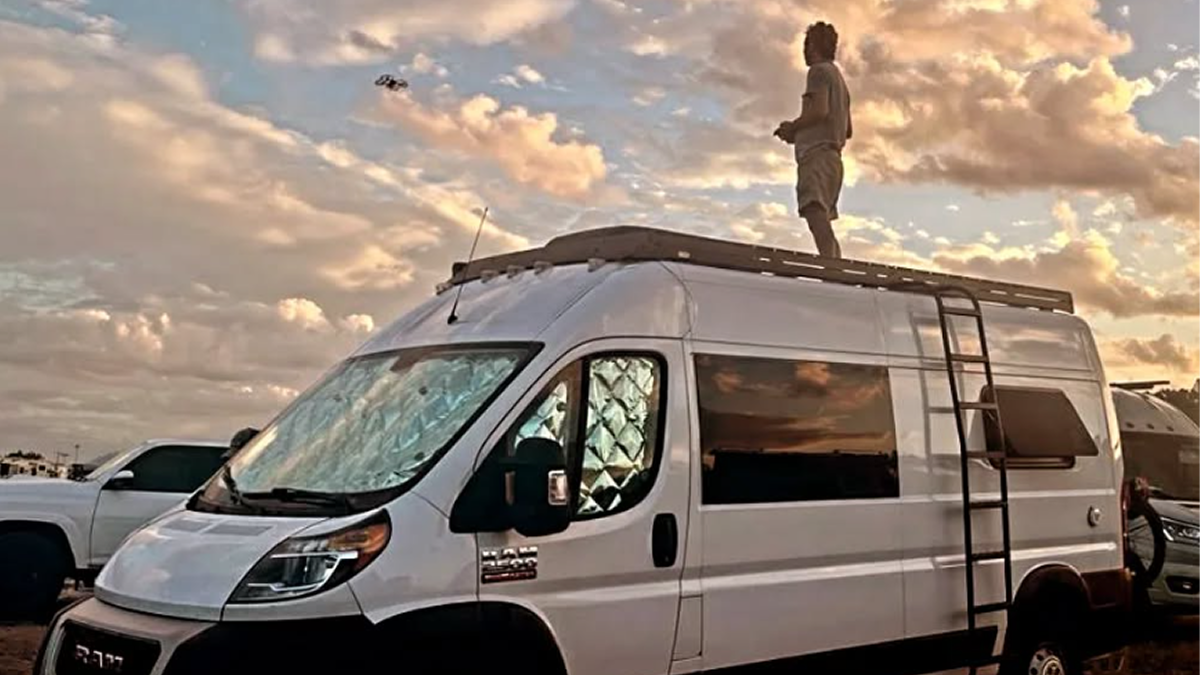
A mobile art studio is a converted vehicle designed to serve as a functional creative workspace anywhere. Artists, educators, and creative entrepreneurs use them to paint, teach, exhibit, and sell without the overhead of a fixed location. Today, a well-designed mobile art studio van rivals a traditional studio. It offers the freedom to work wherever the project leads.
This guide covers types, build requirements, van vs trailer comparisons, and how to run one as a business.
What Is a Mobile Art Studio?
A mobile art studio is any vehicle converted into a purpose-built workspace for artistic creation, education, or exhibition. The most common form is an art studio on wheels built from a high-roof cargo van. The result is a portable creative workspace that functions as both transportation and studio.
The traveling creative studio concept covers a wide range of applications. Some are personal, designed for a single artist who works in the field. Others are commercial, used for workshops, art classes, or pop-up sales. Mobile workshop setups for creative businesses follow the same conversion principles as any professional van build.

Why Mobile Art Studios Are Growing
Fixed studio costs in most US cities have risen sharply. A mobile art studio cuts rent and puts the artist in control of where they work and who they reach.
The rise of van life for artists has made the mobile creative business model increasingly viable. An art business on wheels can serve different communities across different seasons. Creative entrepreneurs are choosing van conversions for the same reasons they once opened studios. Lower startup costs and greater flexibility drive the shift.
Types of Mobile Art Studios
Mobile art studios take several distinct forms, each suited to a different use case.
Art Education Studios
Art education on wheels brings classes and workshops to schools, community centers, and events. These builds include supply storage, folding work surfaces, and space for several students at a time.
Artist Workspaces
A personal mobile art studio serves individual artists who prefer to create in location-specific environments. Plein air painters, photographers, sculptors, and mixed-media artists all use this format. The interior prioritizes work surface, supply organization, and natural or artificial lighting.
Event and Pop-Up Studios
Event-based mobile studios are set up at festivals, markets, private events, and brand activations. These builds typically include display walls, fold-out counters, and external access for foot traffic.
Mobile Galleries
A gallery on wheels or mobile art gallery takes art directly to audiences who may not visit traditional exhibition spaces. The mobile gallery concept is gaining ground in major cities. ARTnews reports on the growing market for galleries operating from converted vehicles, with mobile art gallery trucks presenting work in neighborhoods, outside fairs, and at pop-up locations. An art gallery on wheels offers lower operating costs and broader geographic reach than a fixed space.

What You Need Inside a Mobile Art Studio
The core requirements of a mobile art studio van are similar across most build types.
Core features include supply storage, a stable work surface, quality lighting, ventilation, and a reliable power supply. Optional upgrades depend on the use case. A mobile gallery concept may add display panels and track lighting. An education build may include lockable supply cabinets and a fold-out teaching station.
The platform you build on shapes how much of this is achievable. A high-roof extended van gives the most interior height for art studio design ideas to work properly.
Van vs Trailer: Which Is Right for You?
The most common formats for a mobile art studio are cargo van conversions and purpose-built trailers. Each suits a different situation.
| Feature | Van | Trailer |
|---|---|---|
| Maneuverability | High | Moderate |
| Setup time | Minimal | Moderate |
| Daily usability | Full | Requires tow vehicle |
| Build customization | Very high | High |
| Parking flexibility | High | Limited |
| Interior space | Moderate | Larger |
Vans outperform trailers for artists who need a vehicle that doubles as daily transportation. A custom studio van parks in standard spaces, requires no separate tow vehicle, and can be deployed anywhere quickly. Trailers offer more floor space but add logistical complexity and limit where you can park and operate.
For most artist van conversion applications, a high-roof Sprinter, Transit, or ProMaster provides enough interior volume for a functional studio. Choosing the right van depends on how the space will be used and whether the vehicle needs to serve dual purposes.
How to Convert a Van Into a Mobile Art Studio
The process follows a clear sequence. Vehicle selection comes first. A high-roof cargo van in good mechanical condition gives the most interior height and the longest viable build life.
Layout planning happens before any work begins. Storage placement, work surface dimensions, lighting positions, and power routing all need to be decided before walls go up. DIY builds can work well for experienced builders. Errors in electrical or structural planning are hard to fix once the build is complete.
Professional conversions handle sequencing correctly from the start. A professional custom van build costs more but produces a workspace that holds up under daily creative use.
Business Opportunities with a Mobile Art Studio
A mobile creative business built around an artist van conversion has multiple revenue streams. Art classes and workshops generate recurring income. Pop-up sales at events eliminate gallery commission. Brand partnerships and activations bring in project-based fees.
The mobile art studio model works as a full-time business or as a supplement to a fixed studio practice. Running a creative studio as a business requires the same financial discipline as any small business. Pricing, scheduling, and client acquisition apply equally to a mobile creative business as to a brick-and-mortar studio. The difference is overhead. A mobile studio eliminates rent and utilities as fixed costs.

Art on Wheels
Art on wheels is more than a practical arrangement. For many artists, the vehicle itself becomes part of the work. A studio that operates at community events creates a different relationship between artist and audience than a fixed space provides.
The traveling creative studio positions the artist within the world rather than apart from it. Surfaces change. Light changes. The work responds to location in ways a fixed studio cannot. Mango Vans builds approach this integration intentionally, designing interiors that serve the artist's specific workflow rather than a generic template.
How Mango Vans Builds Mobile Art Studios
A mobile art studio requires a builder who understands creative work and the engineering demands of a van conversion. Storage systems need to secure fragile supplies in transit. Lighting needs to render color accurately.
Mango Vans builds custom studio vans out of South Florida, designing each interior around how the artist actually works. Whether the goal is a personal studio, a mobile gallery, or an art education build, the layout fits the practice.
A well-built mobile art studio is an investment in creative freedom and business independence. Get in touch with the Mango Vans team to start designing a build that fits your work.
Frequently Asked Questions
What is a mobile art studio?
A mobile art studio is a converted vehicle built to function as a portable creative workspace. It may be used for personal art creation, teaching, exhibiting, or selling from a mobile gallery.
How much does it cost to build a mobile art studio?
A DIY conversion on a used van starts around $15,000 to $30,000 total. A professional custom build on a high-roof van ranges from $60,000 to $120,000 or more depending on features and platform.
What vehicle is best for a mobile art studio?
A high-roof extended cargo van offers the best combination of interior height, floor space, and daily usability. The Mercedes Sprinter, Ford Transit, and RAM ProMaster are the most common platforms for professional builds.
Can you run a business from a mobile art studio?
Yes. Art classes, workshops, pop-up sales, gallery showings, and brand activations are all viable business models. Many artists run full-time operations from purpose-built van conversions.
Is a van or trailer better for an art studio?
A van is better for artists who need a vehicle that doubles as transportation and parks easily in urban environments. A trailer offers more floor space but requires a separate tow vehicle and limits parking flexibility.
What do you need inside a mobile art studio?
Core requirements include supply storage, a stable work surface, quality lighting, ventilation, and a reliable power source. Optional additions include display walls, fold-out counters, and climate control depending on the build type.
How do mobile art studios get power?
Most builds use solar panels feeding a lithium battery bank, combined with shore power hookups when available. This setup powers lighting, tools, climate control, and device charging without relying on a generator.
Can a mobile art studio be used for events?
Yes. Event and pop-up builds are a major category. They are used at festivals, markets, brand activations, and community events and are typically configured for quick setup and public access.
Are mobile art studios profitable?
With consistent bookings, low overhead, and multiple revenue streams, a mobile art studio can be profitable. The economics depend on utilization rate, pricing, and how well the build matches the intended use case.
How long does it take to build a mobile art studio?
A DIY conversion takes three to six months for a first-time builder. A professional build takes four to twelve weeks depending on complexity, platform availability, and the builder's schedule.