What to Know Before Buying a Tow Camper: Types, Weight and Towing
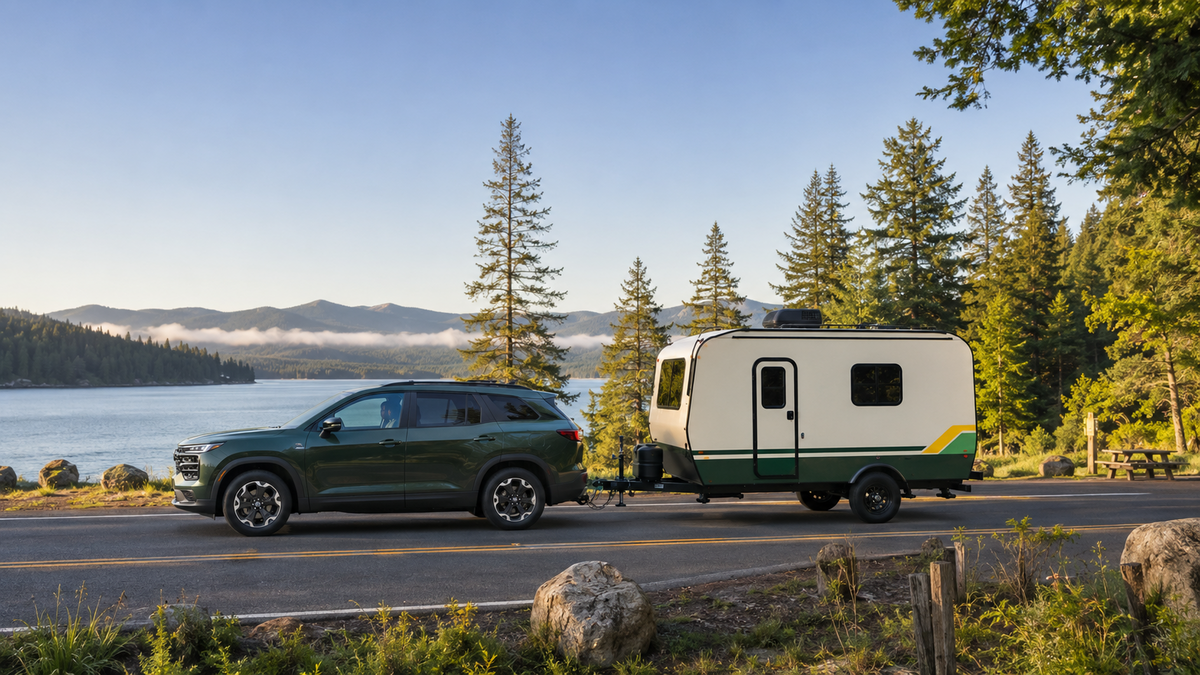
A tow camper is a camping trailer pulled behind a separate vehicle rather than driven on its own. Common types include travel trailers, teardrop campers, and pop-up campers. A tow camper requires a compatible tow vehicle and a hitch system rated for the trailer's weight. Size, amenities, and towing requirements vary considerably across the category. Understanding the differences before buying saves time. The most common mistake is choosing a trailer before confirming the tow vehicle can handle it.
Common Types of Tow Campers
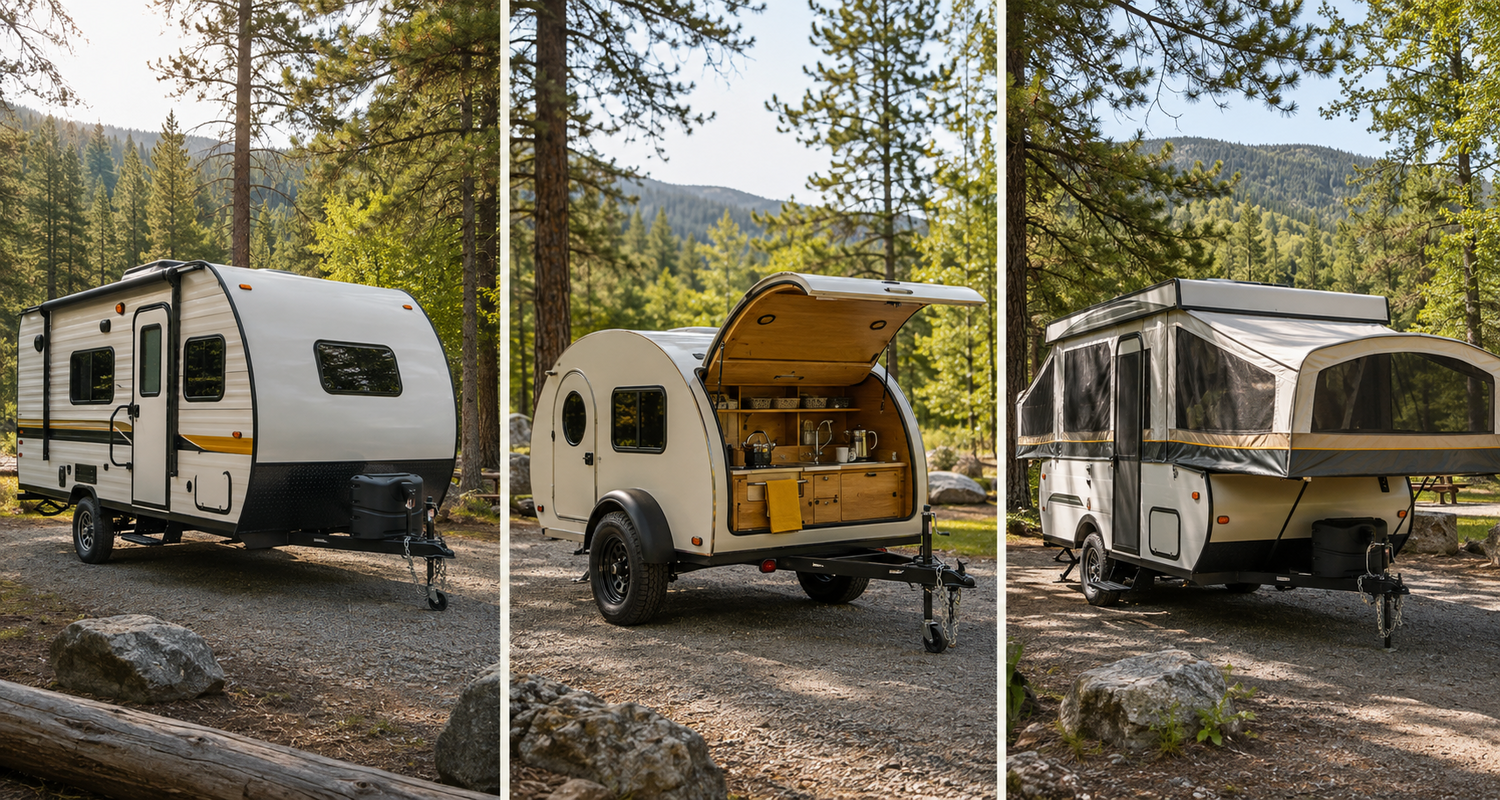
A towable RV types guide covers the full range, from compact teardrops to large travel trailers.
Travel Trailers
Travel trailers are the broadest tow camper category. They range from compact units under 15 feet to large trailers with full kitchens, bathrooms, and sleeping space for multiple people. Most mount to a standard ball hitch.
Teardrop Campers
Teardrop campers are compact, lightweight trailers with a streamlined profile. Smaller models can be towed by standard cars or crossovers. They typically offer sleeping space for two and a rear galley kitchen. Larger teardrop-style campers include bathrooms and full kitchens while remaining lighter than full travel trailers.
Pop-Up Campers
Pop-up campers tow in a collapsed configuration and expand at the campsite. They offer more sleeping capacity than teardrops at a lower towed weight than a comparable hard-sided trailer. Many can be towed by mid-size SUVs.
How Much Can Your Vehicle Actually Tow?
This is the most important question in the tow camper buying process.
Diesel and gas tow vehicles have different torque characteristics and towing ratings. Either can work, but the manufacturer-rated towing capacity governs which trailer is safe to pull.
Several numbers matter when matching a tow camper to a vehicle.
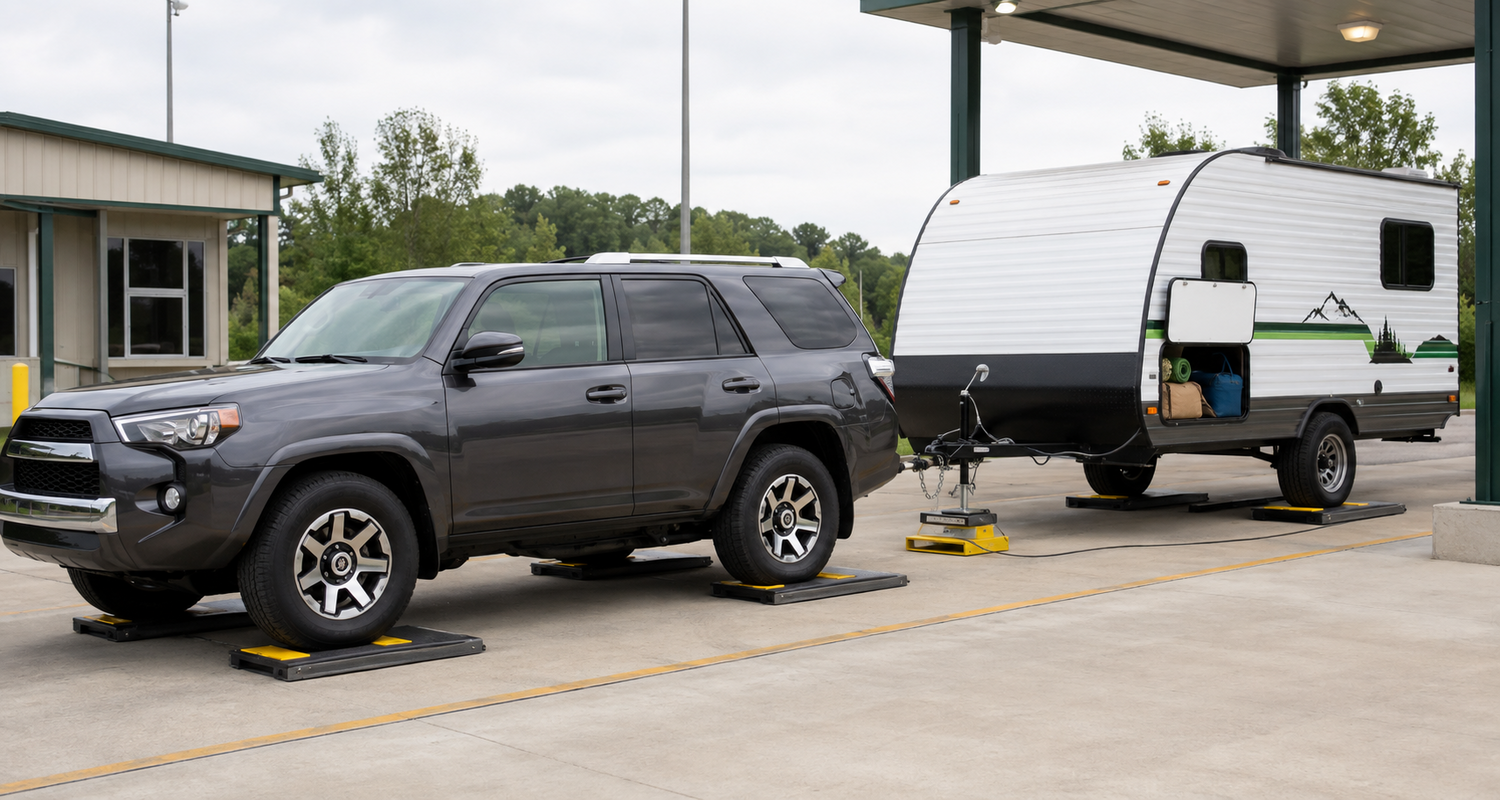
Towing capacity is the maximum trailer weight the vehicle can pull as specified by the manufacturer.
Trailer GVWR is the maximum allowable loaded weight of the trailer including all gear and water. Compare this against towing capacity, not dry weight.
Dry weight is the factory weight with no gear loaded. Trailers weigh significantly more when loaded for a trip.
Tongue weight is the downward force the trailer applies to the hitch ball. Too little causes trailer sway. Too much can overload the rear suspension.
Payload is the remaining capacity after accounting for the vehicle, fuel, passengers, and cab cargo. Tongue weight adds to payload.
Never select a tow camper based on advertised dry weight alone. Always check the GVWR against the tow vehicle's towing capacity and verify tongue weight stays within limits.
Why Weight Matters for Lightweight Tow Campers
Lighter tow campers open up more towing vehicles, including smaller trucks and mid-size SUVs.
Payload and suspension loading are directly affected by tongue weight. The tow vehicle's suspension capacity matters as much as its rated towing capacity.
Lighter trailers are easier to maneuver and less demanding on the tow vehicle over time. But "lightweight" is a marketing term, not a guarantee of compatibility with a specific vehicle. A trailer labeled lightweight may still exceed the towing capacity of a smaller SUV once loaded for a trip.
Benefits and Tradeoffs of a Towable Camper
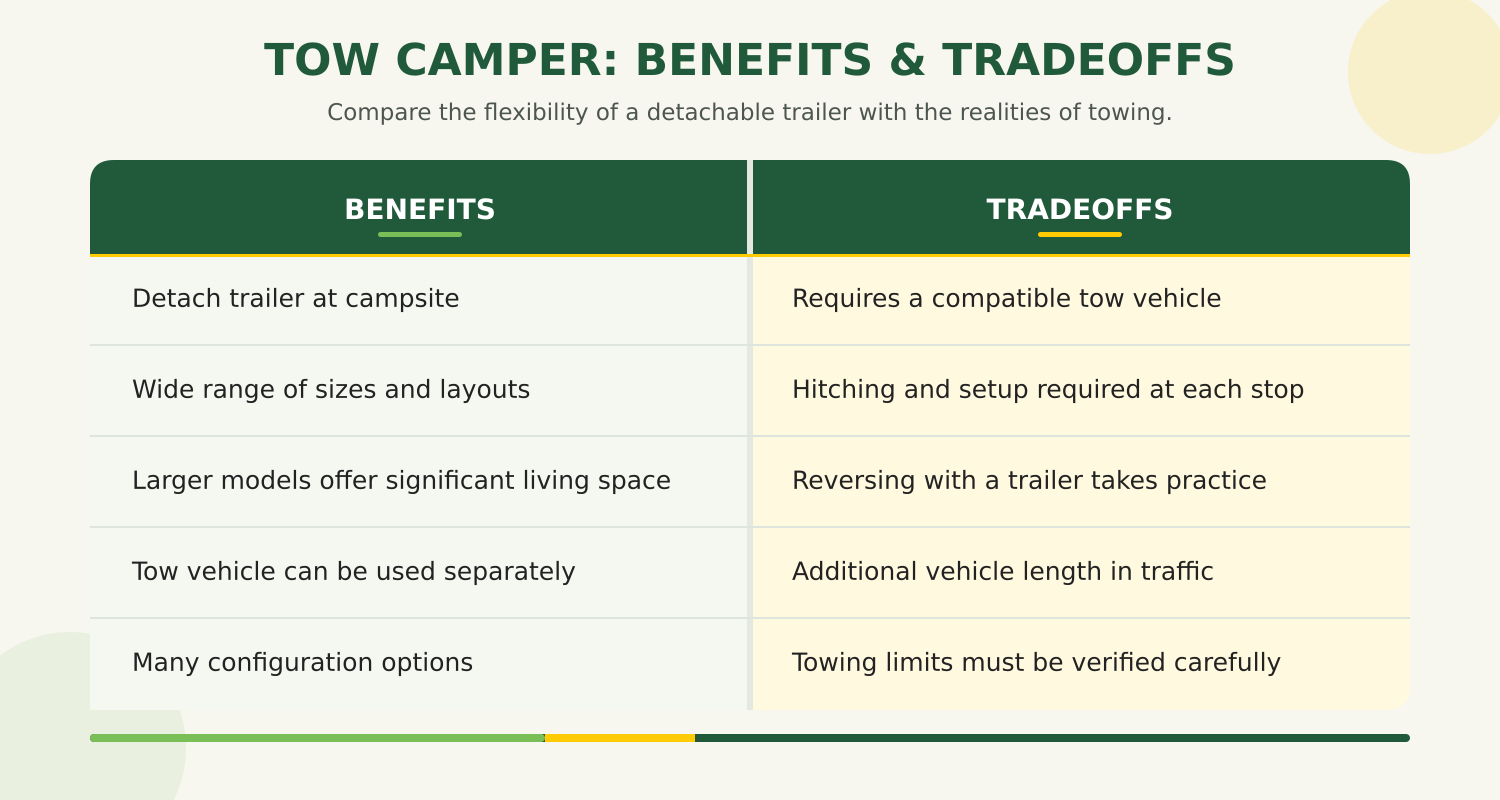
Leaving the trailer set up and using the tow vehicle for day trips is a key advantage of a tow camper setup. The added length and hitching process are the most commonly cited drawbacks.
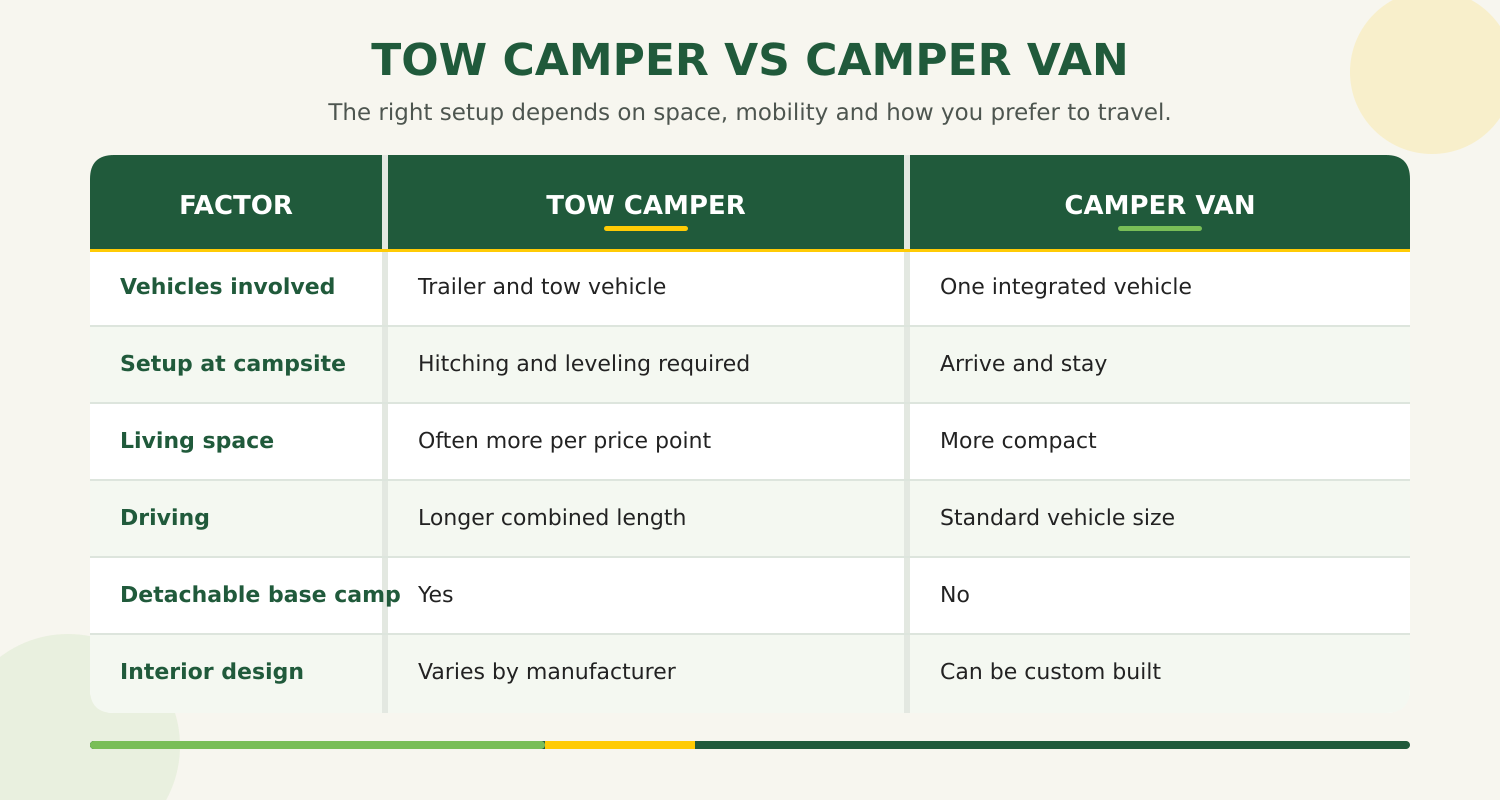
Tow Camper vs Camper Van
Motorized vs towable RVs serve different travel needs. The choice between a tow camper and a camper van depends primarily on travel style and priorities.
A tow camper suits buyers who own a capable tow vehicle and want more living space. A camper van suits travelers who prioritize a single-vehicle setup and integrated driving and living.
Why Consider a Professionally Built Camper Van?
For buyers who decide a camper van suits their travel style, build quality makes a significant difference.
A custom-built van conversion allows electrical systems, water systems, storage, and layout to be designed together as one integrated setup. A professionally planned conversion accounts for ventilation, insulation, battery capacity, water storage, and cabinetry as one integrated system.
Choosing the Right Camping Setup
Before purchasing a tow camper, confirm the following in order.
Verify the tow vehicle's manufacturer-rated towing capacity.
Compare that figure against the GVWR of any trailer being considered.
Check payload and tongue weight against the vehicle's limits.
Assess how often hitching and unhitching will happen on typical trips.
Compare the total cost of a trailer and tow vehicle against alternative setups.
Mobile off-grid travel is easier to manage in one integrated vehicle than in a tow camper setup with two separate systems.
Sprinter, Transit, and ProMaster vans are the most common platforms for professional camper van builds. Mango Vans designs and builds custom conversions out of South Florida. See the completed builds gallery to see how full builds are specified and completed.
Frequently Asked Questions
What is a tow camper?
A tow camper is any camping trailer pulled behind a separate vehicle. Travel trailers, teardrop campers, and pop-up campers are the most common types. They require a tow vehicle and compatible hitch system.
How much does a tow camper weigh?
Weight varies by type. Small teardrop campers can weigh under 1,000 lbs. Mid-size travel trailers typically range from 3,000 to 6,000 lbs. Always check GVWR rather than dry weight.
How do I know how much camper my vehicle can tow?
Check the manufacturer towing capacity in the owner's manual. Compare that figure against the trailer's GVWR. Also verify tongue weight, payload, and hitch class compatibility.
What is the difference between dry weight and GVWR?
Dry weight is the trailer's factory weight with no gear. GVWR is the maximum allowable loaded weight. GVWR determines whether a trailer is safe to tow with a specific vehicle.
Are lightweight tow campers easier to tow?
Generally yes. Lighter trailers are easier to maneuver and place fewer demands on the tow vehicle. But lightweight does not guarantee compatibility. Always verify loaded GVWR against the tow vehicle's rated capacity.
Is a camper van better than a travel trailer?
Neither is universally better. Travel trailers offer more living space and a detachable campsite setup. Camper vans offer simpler driving and an integrated vehicle. The right choice depends on tow vehicle, travel style, and priorities.