Tire Selection for Camper Vans Based on Build Weight and Travel Style
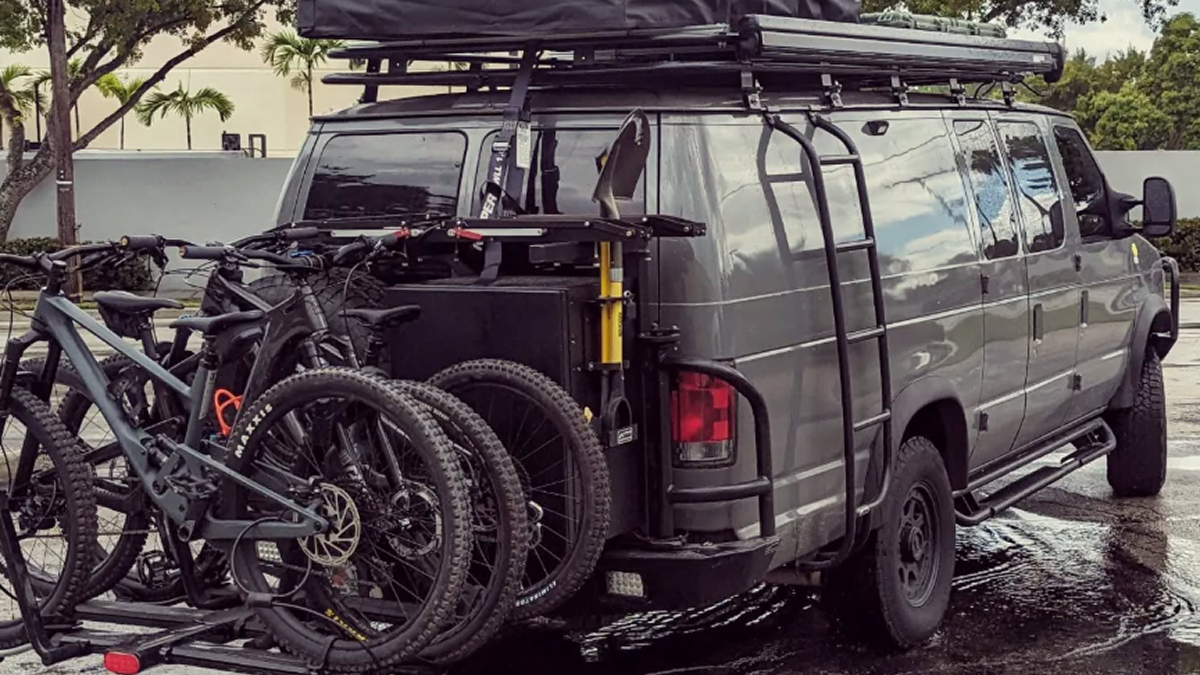
Tires are the only part of a camper van touching the ground, and they carry far more than the empty vehicle. A converted van with batteries, water tanks, cabinetry, and gear can weigh 1,000 to 2,000 pounds more than the factory cargo van it started as. That weight changes which tires are appropriate, which pressures are correct, and which trade-offs matter. Getting tire selection right means matching the right tire to the actual load and the actual roads.
Why Tire Selection Matters More on a Camper Van
A factory cargo van is designed around a range of potential loads. A camper conversion defines that load permanently. Batteries, a water system, a roof rack, cabinetry, and gear raise the van's centre of gravity and increase stress on the tires. Running the wrong tires on a loaded conversion causes premature wear, reduced handling in crosswinds, and a higher risk of sidewall failure on long highway stretches.
Tires should be selected for the finished, loaded build. Not for an empty cargo van.

Understanding Load Ratings
Load rating is the most overlooked factor in camper van tire selection, and it matters more than tread pattern or brand.
LT (Light Truck) tires are built for heavier loads than standard passenger tires. Among LT tires, Load Range E (10-ply rated) is the most common choice for full conversion builds. These tires support higher maximum loads, operate at higher pressures, and offer stiffer sidewalls that improve stability under load.
Sprinter reliability post-conversion often involves components stressed by build weight, including tires run at incorrect pressures for the actual loaded weight.
Always verify the load rating of any tire against the van's actual loaded weight, not the factory GVWR. Divide the loaded weight by four to get the per-tire load, then confirm the chosen tire's capacity exceeds that figure.
Choosing Tires Based on Travel Style
| Travel style | Best tire type |
|---|---|
| Mostly highway | All-season highway LT |
| Full-time van life (paved) | Highway or mild A/T |
| Forest and gravel roads | Mild all-terrain |
| Snow and winter travel | 3PMSF-rated A/T or dedicated winter |
| Off-grid and rough terrain | Aggressive all-terrain |
| Urban and city driving | Highway tires |
Van platform and fitment affects which tire sizes and load ratings are available, particularly when lift kits or larger wheels are involved.
Highway Tires vs All-Terrain Tires
Most van lifers do not need aggressive all-terrain tires. Most camper van travel happens on paved roads. Most off-pavement driving involves forest roads and gravel rather than technical off-road terrain.
All-terrain tire trade-offs on pavement are real. They are heavier, louder on the highway, and return lower fuel economy than highway tires. For a primarily highway-driven van with occasional gravel access, a quality all-season highway tire outperforms an aggressive all-terrain for most of what the van actually does.
Highway tires: quieter, better fuel economy, longer tread life, good wet-weather grip, no meaningful off-road capability.
All-terrain tires: better unpaved traction, more durability against punctures, 3PMSF variants handle snow, higher noise and lower MPG on pavement.
Popular Tire Choices for Camper Vans
These are the most common choices across the van life community, not a comprehensive product guide.
Highway: Michelin Defender LTX M/S, Continental VanContact A/S, Goodyear Assurance WeatherReady.
Mild all-terrain: Falken Wildpeak A/T4W, Toyo Open Country A/T III.
Aggressive all-terrain: BFGoodrich All-Terrain T/A KO3.
Any of these should be specified in Load Range E for a fully converted full-size van. Size must be confirmed against the van's wheel fitment and any installed lift kit before purchasing.
Common Tire Mistakes Van Owners Make
Buying tires before weighing the van. Without knowing the loaded weight, it is impossible to confirm that a tire's load capacity is adequate.
Ignoring load ratings. Choosing a tire by tread pattern while ignoring load range is one of the most common camper van tire errors.
Over-specifying for off-road use. Aggressive mud-terrain tires on a van that rarely leaves pavement cost fuel economy, ride comfort, and tread life for no practical gain.
Running incorrect tire pressure. LT tires require higher pressures than the door placard suggests when loaded. Underinflated tires on a heavy van wear unevenly and generate excessive heat.
Good conversion maintenance starts with regular tire pressure checks at the correct loaded pressure.
Tire Selection Should Be Part of the Build Process
Most van owners choose tires after the build is complete. That makes it harder to select correctly because the final loaded weight is unknown during the build.
Solar and battery weight alone can add 200 to 400 pounds to a build, depending on battery chemistry and capacity. A water system, full cabinetry, and a roof rack compound that significantly. Planning the total build weight before tires and suspension are specified leads to better component choices across the board.
Tire size also affects ground clearance, speedometer accuracy, and whether the van's suspension geometry remains within spec. These interactions make tire selection a system decision, not an afterthought.
Why Professional Builders Think About Tires as a System
A professionally designed conversion accounts for finished weight before any component is specified. Planned versus retrofitted builds differ in how well the van handles loaded and how long components last.
Tire selection works together with suspension rating, wheel size, lift height, and weight distribution. A builder who specifies all of these together produces a van that is stable, comfortable, and correctly rated for the actual load it carries.
Mango Vans builds custom Sprinter, Transit, and ProMaster conversions out of South Florida. See the completed builds gallery to see how systems are specified and integrated from the start.
Frequently Asked Questions
What type of tires are best for a camper van? LT tires in Load Range E for most full conversions. The tread type depends on travel style. Highway tires for predominantly paved travel, all-terrain tires for regular unpaved use.
Do camper vans need special tires? Not special, but correctly rated ones. Most conversions are heavier than the factory spec assumes. Standard P-metric passenger tires are not rated for the loads a converted van carries.
What is Load Range E and why does it matter? Load Range E is a 10-ply rating for LT tires that allows higher maximum loads and higher operating pressures. It provides the load capacity and sidewall stiffness that a heavily converted van needs.
Are all-terrain tires worth it for van life? For van lifers who regularly travel forest roads, gravel, or unpaved terrain, yes. For those who stay primarily on pavement, the noise and fuel economy penalties are difficult to justify.
Do bigger tires improve off-road performance? More ground clearance, yes. Better traction depends on tread design and load rating. Bigger tires also affect speedometer accuracy and may require suspension or wheel changes.
How does van weight affect tire selection? Directly. A heavier van needs tires with a higher load capacity. Divide the loaded van weight by four to find the required per-tire load rating and choose accordingly.
What tire pressure should a camper van use? The door placard pressure is set for an unloaded van. A fully loaded converted van requires higher pressure to support the weight properly. Consult the tire manufacturer's load-pressure chart for the specific tire and loaded weight.
Are highway tires better than all-terrain tires? For most van lifers, highway tires offer better fuel economy, lower noise, and longer tread life. All-terrain tires are better where regular unpaved driving is part of the travel pattern.
Can the wrong tires affect ride quality and fuel economy? Yes. Undersized load ratings cause sidewall flex and instability. Overspecified off-road tires add noise and rolling resistance on pavement. Both affect comfort and efficiency.
When should tire selection be considered during a van build? As early as possible. Final loaded weight, suspension spec, wheel size, and lift height all interact with tire selection. Waiting until after the build limits the options and risks poor fitment.