Van Suspension Systems: What They Do and Which Upgrades Are Worth It

Most cargo vans leave the factory with suspension calibrated for commercial loads on empty vehicles. Once a conversion adds cabinets, batteries, a water tank, a roof rack, and gear, the suspension works under loads it was never calibrated for. That shifts how the van rides, steers, and handles in crosswinds. Van suspension systems are not complicated once the components and their roles are clear. The decision about whether to upgrade depends on the build, the mileage, and the problems being experienced.
Why Suspension Matters in a Camper Van
An empty transit van is relatively light and well-balanced. A full conversion build changes both the total weight and where that weight sits. Rear-heavy builds from a bed platform, batteries, and water tanks push the rear suspension toward its rated limit. That affects ride comfort, body roll in corners, stability at highway speeds, and steering response.
Suspension also affects tire wear. A sagging rear compresses the leaf springs unevenly, which changes the contact angle of the rear tires. Over long distances, that translates to faster and uneven tread wear.
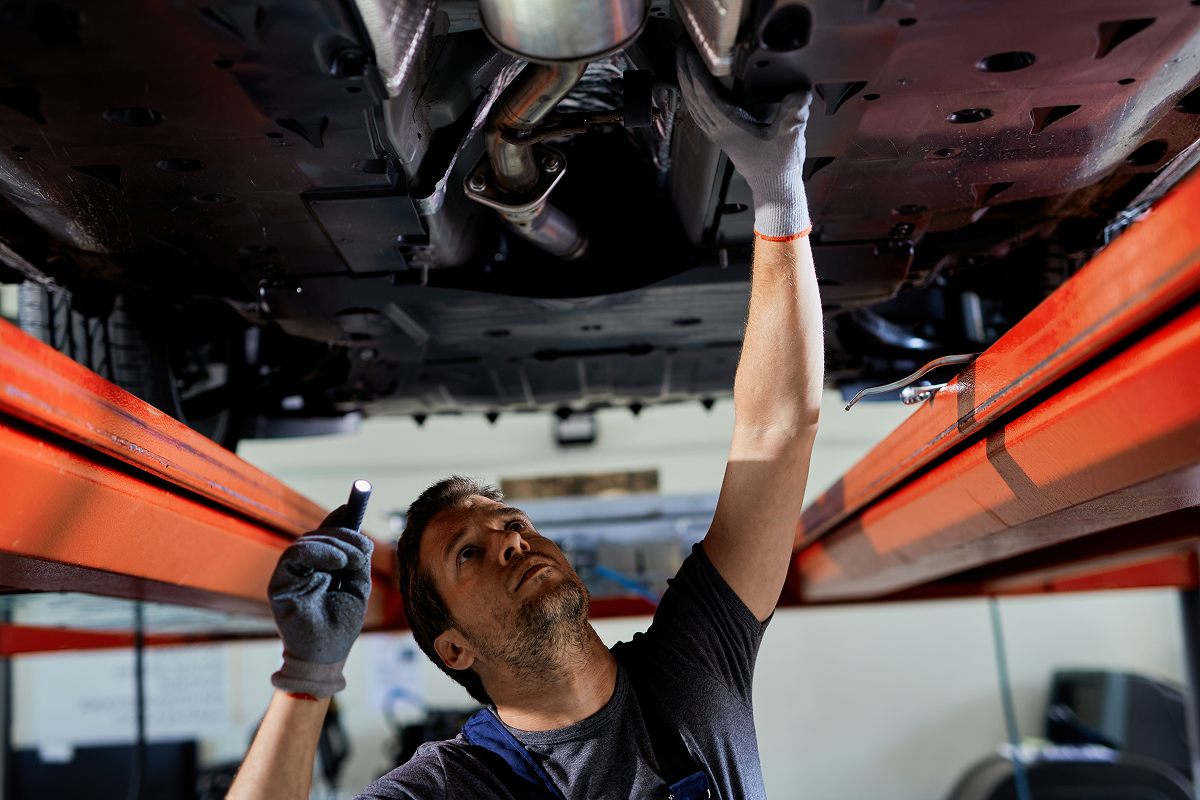
The Main Components of a Van Suspension System
Shocks and Struts
Shocks absorb and dampen suspension movement. They control how quickly the van settles after hitting a bump and reduce bouncing on rough surfaces. Sprinter shocks are a common post-conversion complaint because factory units are calibrated for unloaded commercial use.
Leaf Springs
Leaf springs support vehicle weight and prevent the rear from sagging under load. Most full-size vans use a rear leaf spring setup. Factory leaf springs handle the van's rated payload, but continuous heavy loading accelerates wear and reduces spring travel.
SumoSprings and Helper Springs
SumoSprings are microcellular urethane bump stops that fit the existing suspension geometry. They add progressive load support as the suspension compresses and reduce rear sway. Helper springs serve a similar purpose through additional spring leaves. Both cost less than a full suspension overhaul.
Air Suspension
Air bags replace or supplement the standard springs, allowing ride height and spring rate to adjust based on load. Best suited to vans carrying variable weight or where levelling at camp is a priority.
Lift Kits
Lift kits raise the van body relative to the axles. They increase ground clearance and allow larger tyres. They do not improve ride quality.
Common Problems and What Fixes Them
| Problem | Likely cause | Practical fix |
|---|---|---|
| Rear sag | Overloaded leaf springs | Helper springs or spring upgrade |
| Excessive sway | Heavy rear load, worn stabilisers | SumoSprings, sway bar upgrade |
| Harsh ride | Worn or mismatched shocks | Heavy-duty shock upgrade |
| Bottoming out | Insufficient spring travel | Helper springs, SumoSprings |
| Limited ground clearance | Factory ride height | Lift kit |
| Uneven load | Weight distribution issue | Air suspension |
Platform choice affects which problems are most common. Sprinter leaf springs handle moderate conversion loads well. Transit and ProMaster builds may see sag earlier depending on build weight.
Do You Actually Need a Suspension Upgrade?
Not necessarily. The honest answer depends on three variables. How heavy the build is, how rough the roads are, and whether the current ride quality is acceptable.
Most suspension problems in converted vans arise from carrying heavy loads continuously rather than any fundamental flaw in factory components. A lightweight build on a well-maintained van is unlikely to need more than shock replacement at standard service intervals.
Probably not if: the build is light, you camp occasionally, the van sits level when loaded, and ride quality feels acceptable.
Probably yes if: the van sags at the rear, there is excessive sway on highways, you travel rough roads regularly, or the van is used full-time with a heavy build.
Which Suspension Upgrades Are Most Popular?
Heavy-duty shocks are the most common first upgrade. Fox, Falcon, and Bilstein all make shocks tuned for loaded vans. The improvement on rough roads and washboard is immediate.
SumoSprings are one of the most cost-effective upgrades for heavy builds. Van lifers who install them consistently report a noticeable reduction in sway, with a straightforward fit requiring no major modifications. They carry a lifetime warranty and need no maintenance.
Full suspension systems from Van Compass and Agile Off-Road bundle matched shocks, springs, and hardware tuned for specific van models. The cost is higher, but the result is cohesive rather than piecemeal.
Active suspension from LiquidSpring uses hydraulic dampening that adjusts dynamically to load and road conditions. It suits commercial or full-time van life use where ride quality is the primary concern.
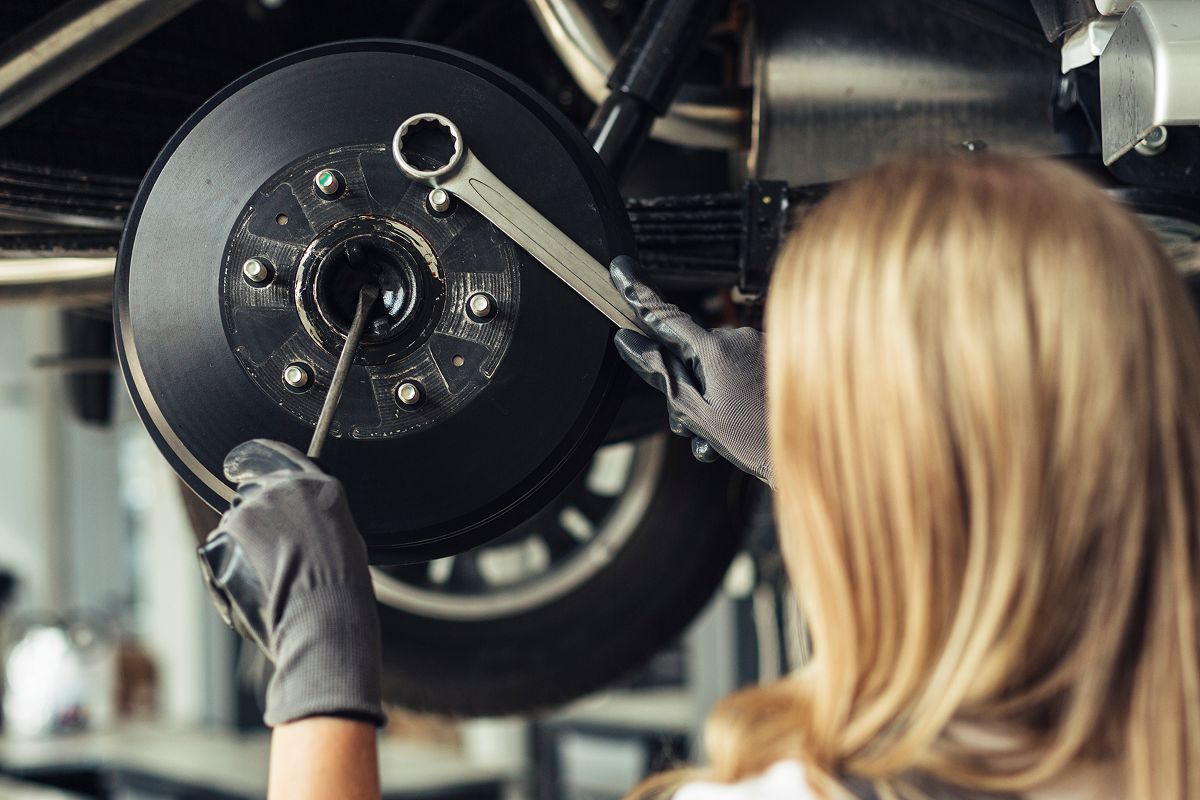
Why Suspension Should Be Considered During the Build Process
Most van owners address suspension after the build is complete and problems appear. Planning it earlier produces better results.
Build weight determines which suspension components need upgrading. A solar and electrical system alone can add 200 to 400 pounds depending on battery chemistry and panel count. A water tank at 8.3 pounds per gallon, a wood subfloor, cabinetry, and roof rack gear all compound the rear axle load before the first mile.
Where weight is placed in the van affects balance as much as the total weight. A rear-heavy build stresses the rear suspension far more than the same total weight distributed evenly. Placing batteries and water tanks near the centre of gravity reduces rear leaf spring load and improves handling without any suspension parts.
What Professional Van Builders Consider
A professionally designed conversion treats the van as a system rather than a vehicle with components added after. The difference between a well-planned and a retrofitted conversion shows clearly in total ownership cost over time. Suspension is part of that system.
A builder who accounts for weight distribution in the design phase places heavy components centrally and selects materials that keep build weight in check. Appropriate suspension is specified from the start. The result is a van that handles correctly without requiring expensive post-build correction.
Mango Vans builds custom van conversions out of South Florida across Sprinter, Transit, and ProMaster platforms. Long-term maintenance of van conversion systems, including suspension components, is part of what makes a build durable over years of travel. See the completed builds gallery to see how professionally designed builds are specified from the ground up.
Final Thoughts
Van suspension systems are one area where spending money before problems appear is cheaper than correcting them afterward. Heavy-duty shocks and SumoSprings cover most common issues at reasonable cost. Full suspension upgrades are worth it for heavy full-time builds. Lift kits add clearance but not comfort. The most effective suspension decision is often where weight sits during the initial build, before any aftermarket parts are involved.
Frequently Asked Questions
What does a van suspension system do?
It supports the vehicle's weight, absorbs road impacts, controls body movement, and maintains tyre contact with the road. In a converted van, it also manages the extra weight of the build.
Do camper vans need suspension upgrades?
Not always. Light builds on maintained vans often perform acceptably on factory suspension. Heavy full-time builds, vans that sag at the rear, or vans on rough roads regularly benefit from upgrades.
What causes rear sagging in a converted van?
Rear leaf springs compressing under build weight. Batteries, water tanks, a platform bed, and gear all concentrate load over the rear axle.
Are SumoSprings worth it for camper vans?
Yes, for most builds. They reduce sway noticeably, require no maintenance, and carry a lifetime warranty. They do not replace worn shocks.
How do heavy-duty shocks improve ride quality?
Better damping control under load. This reduces bouncing on rough roads, controls body roll, and improves tyre contact with the road surface.
Is air suspension better than traditional springs?
For vans with variable loads or where levelling at camp matters, yes. Air suspension is more complex and expensive to maintain. For most conversions, it is more than necessary.
Do lift kits improve ride comfort or just ground clearance?
Ground clearance only. A lift raises ride height and allows larger tyres. A smoother ride requires shocks and springs, not a lift.
How much weight affects a van's suspension?
A full conversion build often adds 800 to 1,500 pounds. When that load concentrates at the rear, it compresses leaf springs toward their limit and accelerates wear.
When should suspension be planned during a van conversion?
Before any other build decisions. Weight distribution, material choices, and component selection all affect what the suspension needs to manage. Retrofitting after a heavy build costs more than planning from the start.
Is a full suspension system worth the cost for van life?
For heavy, full-time builds on rough roads, yes. For occasional campers with light builds, heavy-duty shocks and SumoSprings cover most real-world benefit at a fraction of the cost.