Motorhome Conversion Insurance: What Camper Van Owners Need to Know
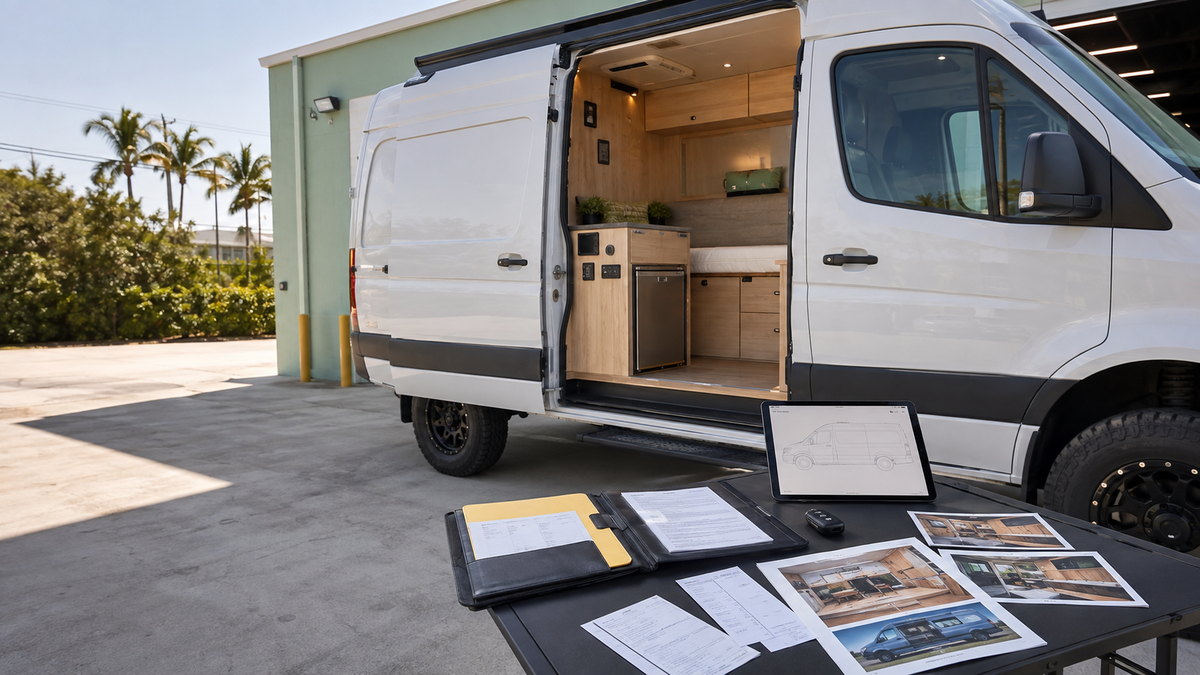
Insuring a converted van can differ significantly from insuring a standard passenger or cargo vehicle. A converted campervan or motorhome may require specialized coverage. This could be an RV, motorhome, or Class B policy, depending on the vehicle, conversion, insurer, location, and intended use. At Mango Vans, a professional conversion creates build specifications, installed-system records, and documented costs that can support conversations with an insurer. This guide covers what owners should understand before requesting a quote.
What Insurance Does a Converted Motorhome Need?
The answer depends on the vehicle, conversion, insurer, and intended use.
Van registration, classification, and use can affect which type of insurance is appropriate. Eligibility varies by insurer, state, vehicle classification, and conversion features. Owners should confirm with a licensed insurance professional which policy type suits their situation.
What Can Camper Van Conversion Insurance Cover?
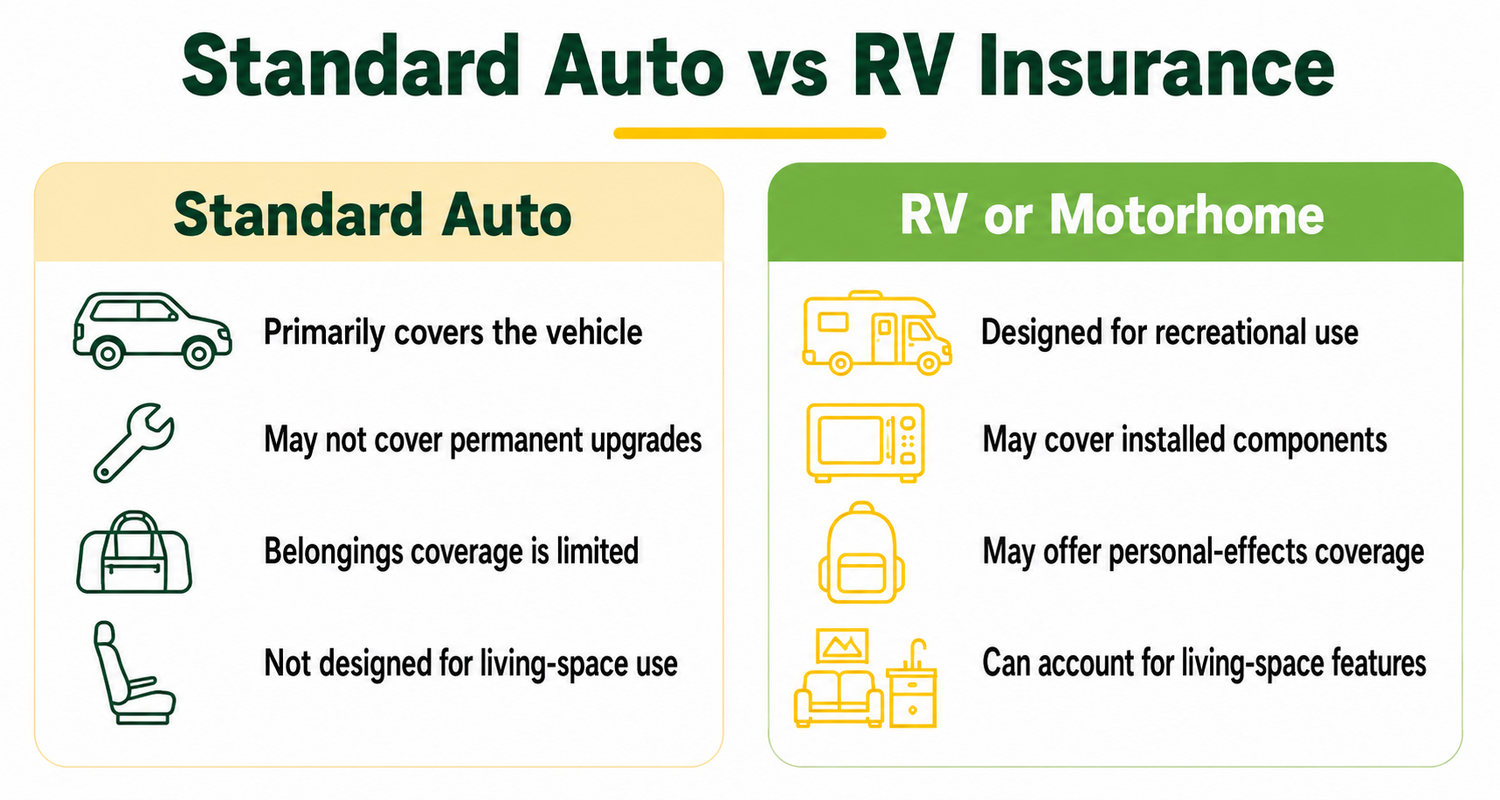
Policy coverage varies by insurer and policy type. Common categories that RV or motorhome policies may include are liability, collision, comprehensive, and coverage for permanently installed components.
The auto vs RV coverage gap is significant for converted vans. Auto insurance typically covers the base vehicle but may not extend to upgrades such as an installed stove, refrigerator, cabinetry, electrical systems, or plumbing.
An important distinction applies to three separate categories of value.
Base vehicle value: The van itself.
Conversion value: The cabinetry, appliances, plumbing, electrical systems, and other permanent modifications.
Personal belongings: Clothing, equipment, and items carried inside the van.
Owners should confirm with their insurer how each category is treated, what limits apply, and how losses would be valued. Not every policy automatically covers labor, materials, or the full replacement cost of a conversion.
When Does a Converted Van Qualify as an RV or Motorhome?
Classification requirements are not universal. They vary by insurer and may also vary by state.
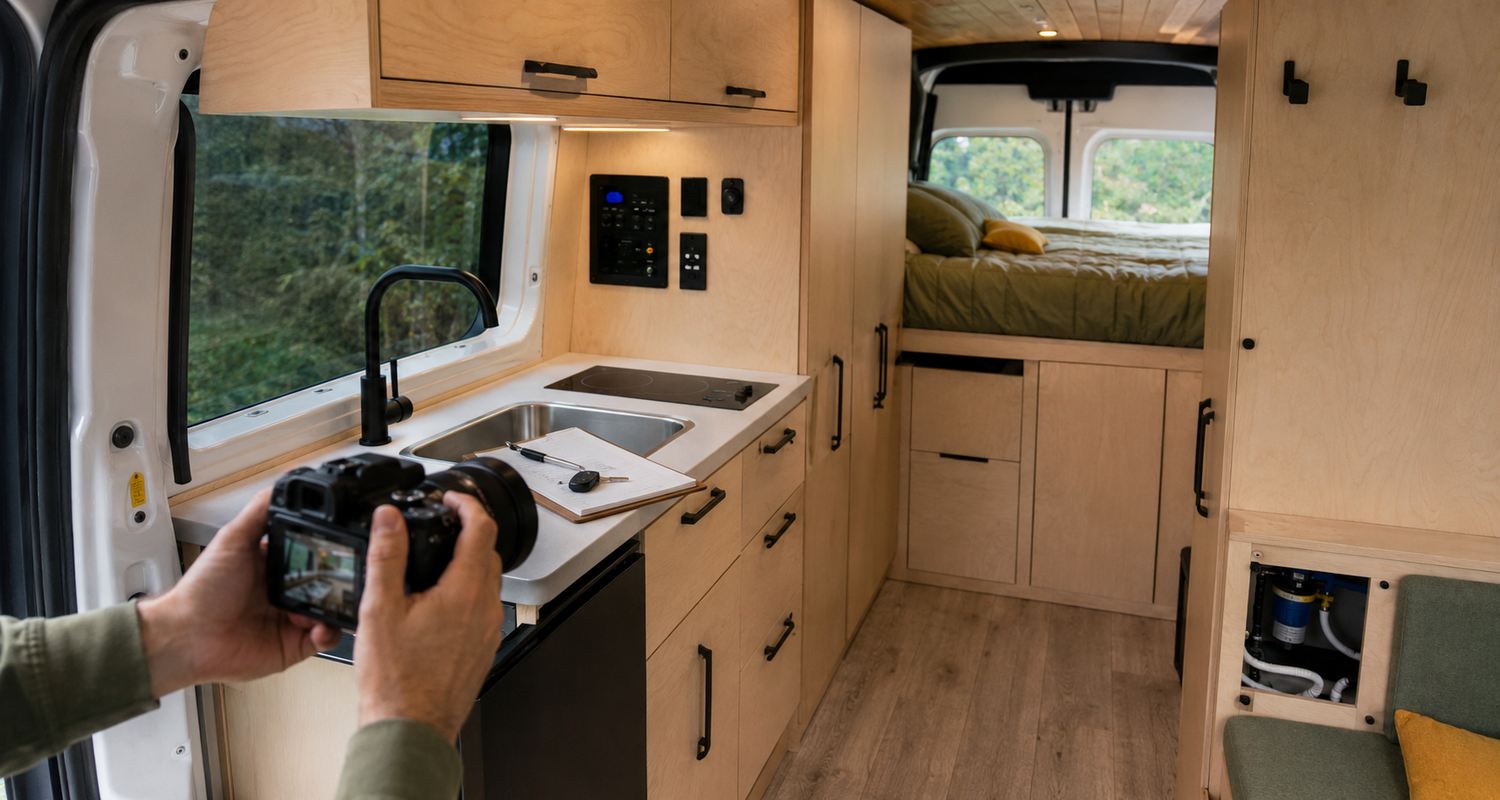
Class B RV insurance covers camper vans as one recognized motorhome class. Features that may be relevant to classification include a sleeping area, fixed kitchen facilities, a sink, refrigerator, or cooktop. Whether a specific conversion meets a given insurer's requirements depends on that insurer's policies and the vehicle's registration status.
Do not assume a conversion automatically qualifies as an RV or motorhome for insurance purposes. Confirm requirements with each insurer and, where relevant, verify the vehicle's classification under state registration rules.
DIY vs Professional Van Conversion Insurance
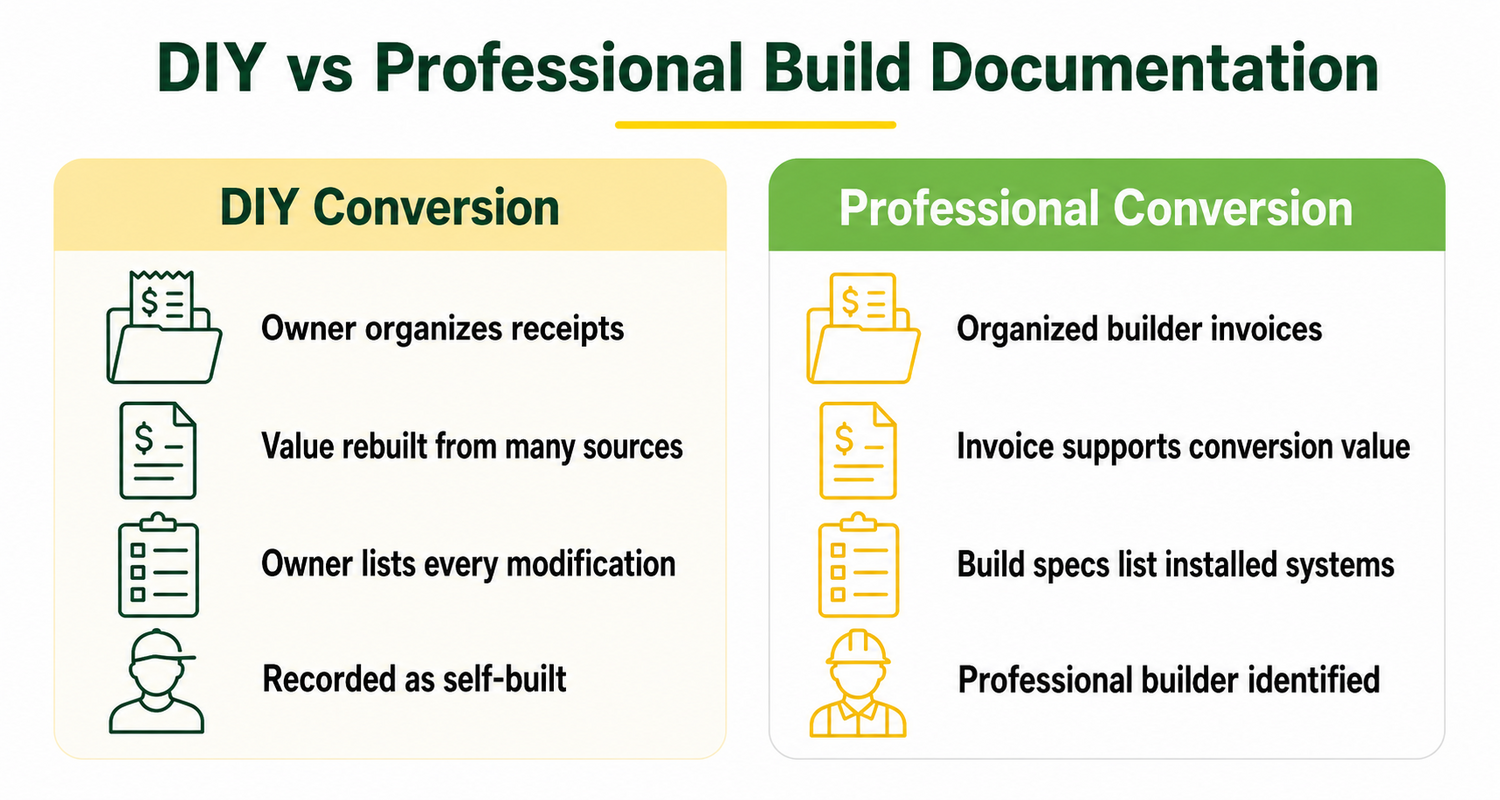
Documentation is one of the practical differences between DIY and professionally converted vans when it comes to discussing coverage with an insurer.
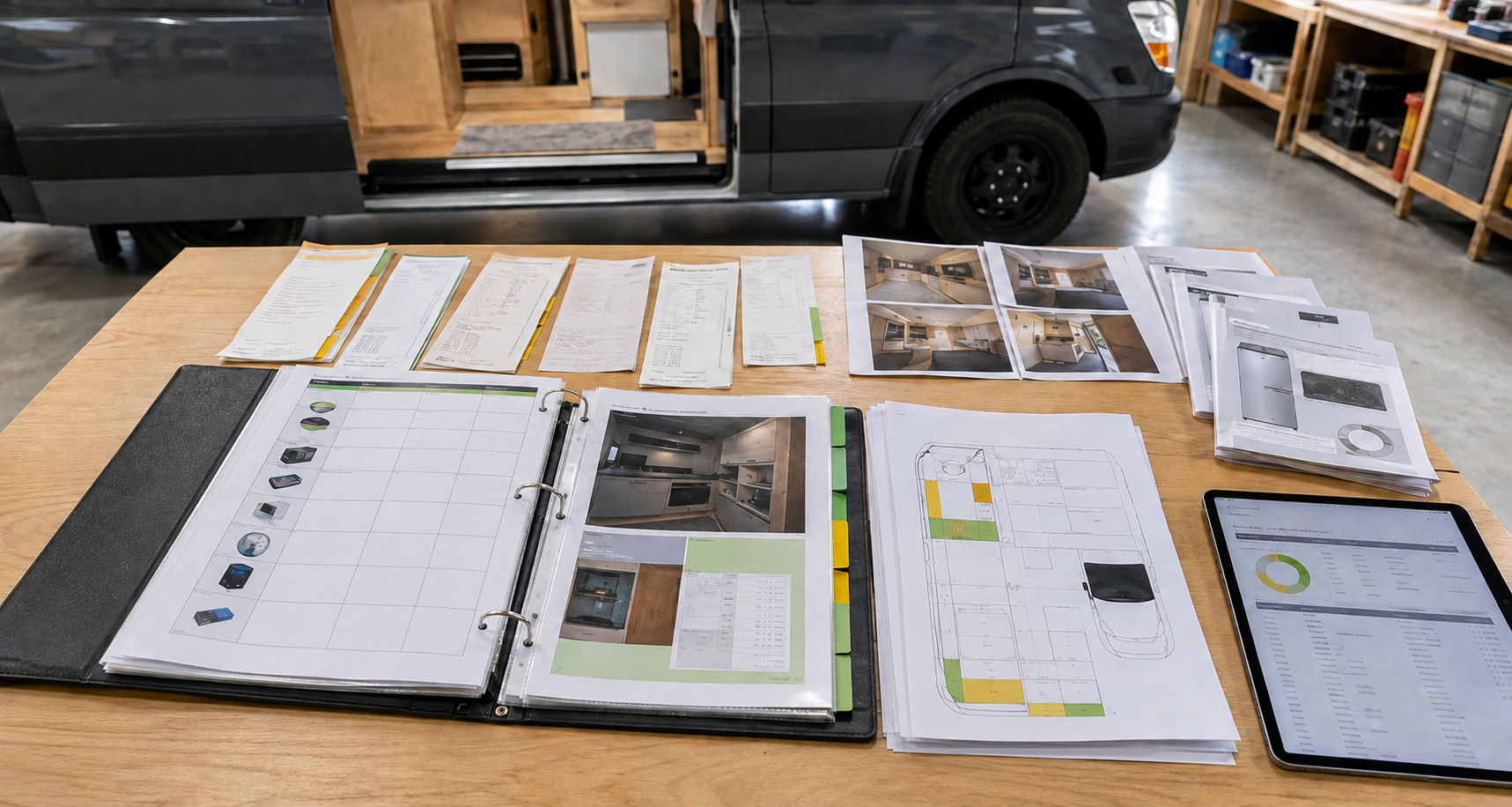
Custom-built van conversions involve substantial investment in materials, components, and workmanship. A professional conversion can make it easier to document what was built, what was installed, and what the conversion cost. All of that is information an insurer may request.
A professional build does not guarantee insurance approval, lower premiums, or specific coverage outcomes. Requirements remain insurer-specific. However, organized documentation may simplify the process of explaining and substantiating the conversion.
Documents to Prepare Before Requesting an Insurance Quote
Preparing documentation before contacting an insurer can make the conversation more productive. The following items may be useful, though exact requirements vary by insurer.
Van conversion insurance documentation checklist:
Vehicle make, model, year, and VIN
Title and registration information
Conversion invoices or build costs
Receipts for major installed equipment
Build specifications or a component list
Photographs of the completed conversion
Estimated or documented conversion value
Intended use (part-time, full-time, recreational)
Expected annual mileage
Documentation of installed components such as cabinetry, plumbing, and electrical systems can help substantiate the conversion's scope and value. Ask the insurer how it wants conversion value documented and how permanently installed components and personal belongings are treated.
Contact prospective insurers before completing the conversion. Understanding classification requirements and coverage options in advance can help owners plan both the build and the documentation process.
How Much Does Motorhome Conversion Insurance Cost?
Premiums vary based on multiple individual factors. Comparing policies and getting personalized quotes is the most reliable approach.
Factors that typically affect costs include the vehicle's value, conversion value, coverage type and limits, deductible amount, driving history, location, annual mileage, and whether the van is used full-time or part-time.
Installed solar systems, electrical equipment, and appliances contribute to the total conversion value. A higher documented conversion value may affect the coverage required and the premium. Understating conversion value risks being underinsured if a claim arises.
Obtain quotes from multiple insurers who offer specialized RV or campervan coverage. Policies, eligibility, and premiums vary meaningfully between providers.
Maintaining build records and keeping documentation of installed systems current supports both insurance conversations and claims. Mango Vans builds professionally converted Sprinter, Transit, and ProMaster vans out of South Florida. Contact Mango Vans to discuss a custom conversion.
Frequently Asked Questions
What insurance do I need for a converted camper van?
Specialized RV, motorhome, or campervan insurance may be more appropriate than standard auto coverage. Eligibility depends on conversion, intended use, insurer, and vehicle classification. Verify with a licensed insurance professional.
Does regular auto insurance cover a camper van conversion?
Standard auto insurance covers the base vehicle but often does not address permanently installed modifications or their value. Confirm with your insurer how conversion components are treated.
Does RV insurance cover the cost of a van conversion?
Policy terms vary. Confirm whether installed components, materials, and conversion value are covered, under what limits, and how losses would be valued.
Can you insure a DIY campervan?
Specialized insurance options may exist for DIY conversions. Eligibility varies by insurer and build. Documentation of receipts, photographs, and a component list can support the application.
Is a professionally converted van easier to insure?
A professional conversion provides organized documentation of installed systems and costs, which may help when discussing coverage. Approval and premium remain insurer-specific.
What documents do I need to insure a converted van?
Useful documents include vehicle registration, conversion invoices, receipts for major components, photographs, a component list, and an estimate of conversion value. Confirm requirements with each insurer.
What makes a converted van qualify as a motorhome or RV?
Criteria vary by insurer and state. Features such as a sleeping area, fixed kitchen, sink, or refrigerator may be relevant. Confirm requirements directly with the insurer.
Should I arrange insurance before converting my van?
Yes. Contacting prospective insurers before starting the build helps owners understand classification requirements, coverage options, and documentation needs before the conversion is complete.