Van Life Parking Laws: Federal Land, City Streets, and What Is Actually Legal
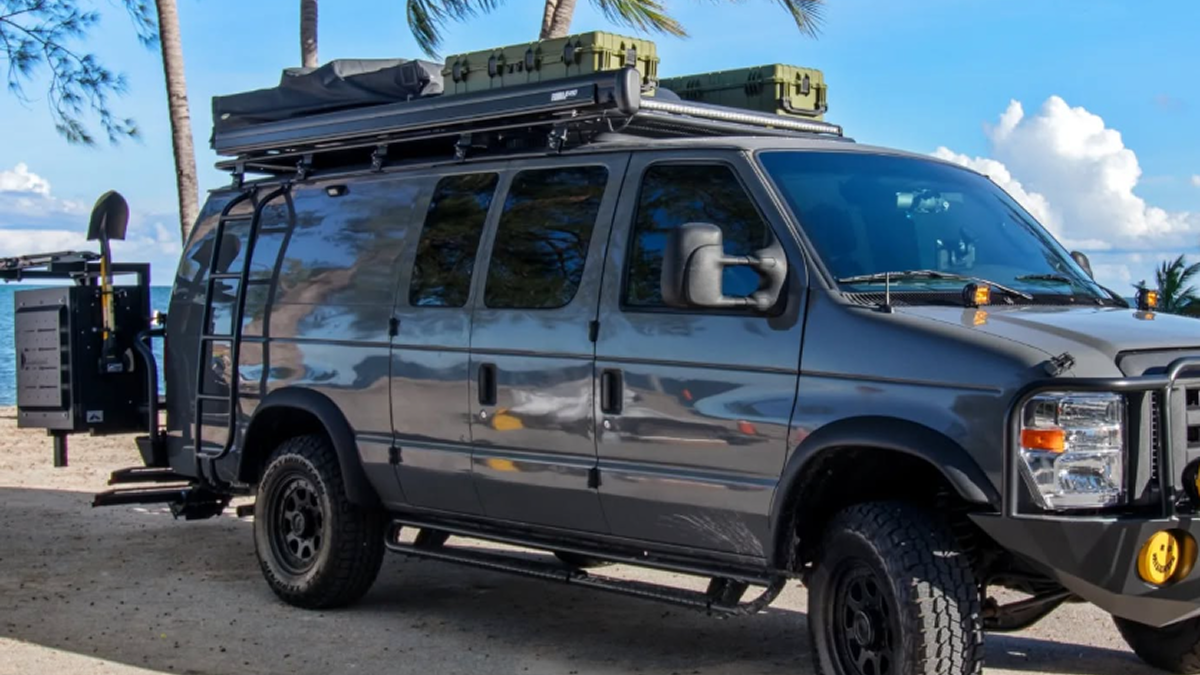
Van life is legal. Living in a van is not prohibited anywhere in the United States. What creates problems is not the lifestyle but specific parking behavior. Where you park and for how long are governed by separate rules that vary by location. Van life parking laws are not complicated once the structure is clear.
Is Van Life Actually Legal?
Yes. No law makes van life itself illegal. Enforcement almost always involves one of four things. A parking violation, an overnight occupancy restriction, a camping ordinance, or trespassing on private property.
The confusion often comes from conflating van life with homelessness in news coverage of anti-camping ordinances. These laws target specific behaviors in specific places, not the act of choosing to live in a vehicle. Van life involves real legal considerations, but the lifestyle itself is not one of them.
Federal Land vs. City Streets: Why the Rules Are Different
Rules differ across land types because jurisdiction differs. Federal land is managed by federal agencies. City streets fall under municipal authority. Private property operates under property rights. Each has its own enforcement structure.
Federal Land
Bureau of Land Management land and National Forest land are among the most accessible options for van lifers. Both allow dispersed camping, which means parking and sleeping away from designated campgrounds, typically at no cost.
BLM land allows dispersed camping for up to 14 days within any 28-day period. After 14 days, campers must relocate, usually at least 25 miles away. Some high-demand areas have tighter restrictions. A small number of Long-Term Visitor Areas in the Southwest allow stays of up to seven months with a permit.
State and Local Public Land
State parks almost always require paid site reservations and prohibit camping outside designated areas. County parks vary widely. Some allow overnight parking, most do not. Municipal parks and public parking lots are typically off-limits for overnight use.
Rules on state and county land change frequently. Checking directly with the managing agency before arriving is the most reliable approach.
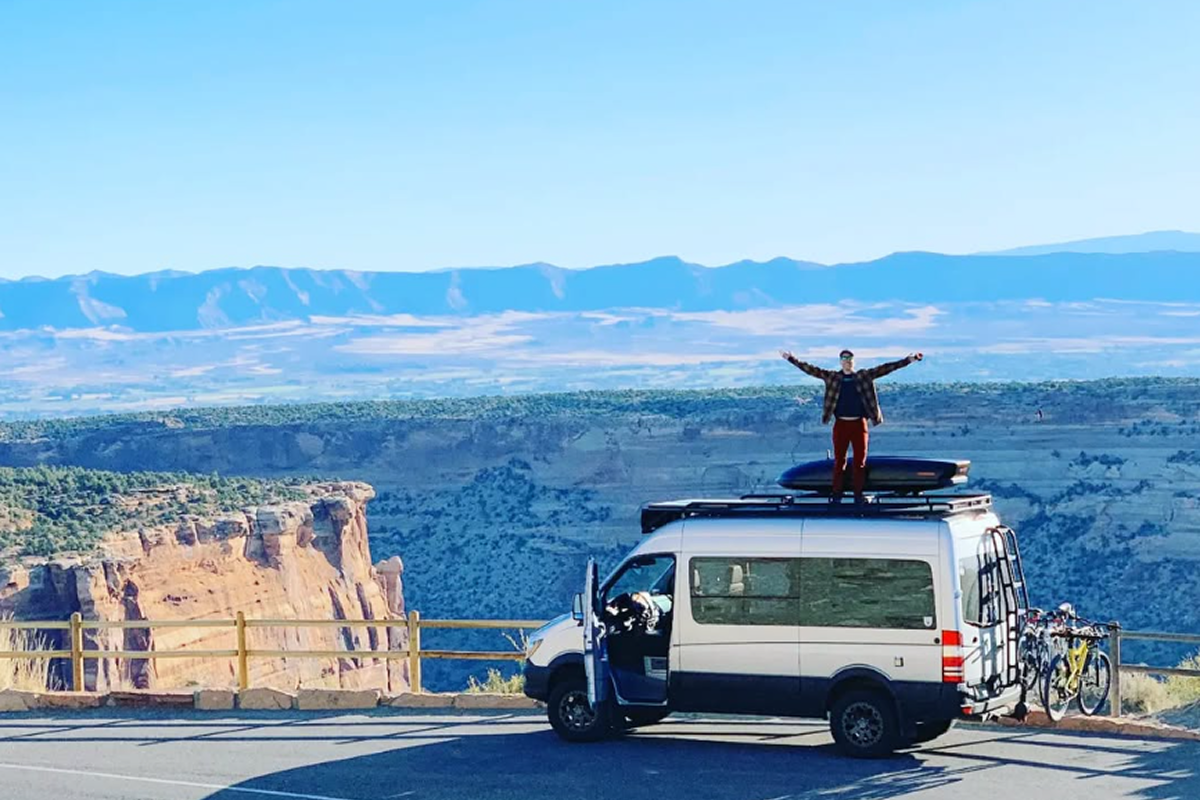
Can You Sleep in a Van on a Public Street?
Legality depends almost entirely on the specific city and, in some cases, the specific street.
Most cities have some form of time-based parking restriction. Many restrict vehicles to 72 hours in a single spot. Others limit overnight parking in residential areas entirely. A growing number have vehicle habitation ordinances that restrict using a parked vehicle as a dwelling during nighttime hours near residential buildings.
RV parking laws remain highly localized in 2026 with no single federal standard. Cities like Los Angeles, Denver, and Key West have strict vehicle habitation rules. Others have no specific overnight prohibition. The only way to know is to look up the municipal code before you arrive.
Parking on Private Property
Private property follows different rules than public land. Permission from the property owner overrides most local ordinances. The absence of a sign does not mean permission is granted.
Retail parking lots. Walmart, Cracker Barrel, and Cabela's were once widely known for allowing overnight van and RV parking. As of 2025, this is no longer reliable at any of them. Decisions are made by individual store managers. Local ordinances in many cities also prohibit overnight stays in commercial lots regardless of corporate policy. Always ask the manager before assuming permission.
Residential driveways and guest parking. Parking in a friend or family member's driveway is generally permitted. HOA rules and local ordinances sometimes restrict it. Many municipalities limit how long a recreational vehicle can remain on a residential property even with the owner's consent.
The rules for commercial vehicle parking operate under a separate framework from personal van life use, though the underlying property rights principle is the same.
Common Reasons Van Lifers Get Ticketed or Towed
Most enforcement incidents come down to a small number of preventable situations.
Ignoring posted signage. Time limits and overnight restrictions are typically posted, and missing them is not a defence.
Exceeding time limits on city streets or in parking lots.
Parking in zones explicitly marked for no overnight use or vehicle habitation.
Remaining on private property without permission after being asked to leave.
Camping in state parks or national parks outside designated sites.
Enforcement is generally not aggressive toward van lifers who are not causing problems. The first response in most situations is a notice to move, not a ticket.

How to Find Legal Overnight Parking
BLM and National Forest lands are searchable through federal agency websites. Campendium, iOverlander, and Freecampsites.net aggregate user-verified spots on public land with notes on stay limits and conditions. Apps designed for van life travel also cover safe parking programs in cities that provide designated overnight vehicle areas.
When in doubt, call the local parking enforcement office or ranger station before dark. It beats a knock on the door at 2 a.m.
What Van Owners Should Know Before Traveling Across States
There is no universal van life law in the United States. Van life parking laws differ by state, county, and city. What is legal in one place may result in a ticket two hours down the road.
Before traveling to a new area, check the city municipal code for overnight parking restrictions and vehicle habitation ordinances. Search for terms like "habitation of vehicles" or "overnight vehicle parking. "Insurance and registration requirements also vary by state and are worth verifying before crossing state lines.
Planning a Van Build With Legal Travel in Mind
A van designed for genuine off-grid independence changes the parking situation. Self-contained electrical systems, sufficient water capacity, and proper waste management reduce dependence on urban parking near utilities.
A van running several days on solar spends those days on BLM land, not circling for a legal city block. A properly sized solar and electrical system is the build decision that most directly affects parking flexibility. Mango Vans builds custom van conversions out of South Florida for extended real-world travel. The completed builds gallery shows how self-contained builds are specified and finished.
Frequently Asked Questions
Is it legal to sleep in a van overnight?
Yes, in many places. Legality depends on where the van is parked. BLM and National Forest land generally allow it. City streets and private property depend on local ordinances and property owner permission.
Are van life parking laws the same in every state?
No. There is no federal standard for overnight vehicle parking. Rules vary by state, county, and city. Checking the local municipal code before arriving is the only reliable approach.
Can you legally sleep in a van on a public street?
It depends on the city. Many municipalities have vehicle habitation ordinances that restrict sleeping in a vehicle on public streets near residential buildings.
What is the difference between parking laws and camping laws?
Parking laws regulate where and how long a vehicle may sit. Camping laws or vehicle habitation ordinances address what happens inside the vehicle. Both can apply simultaneously to the same van in the same spot.
Can local governments prohibit sleeping in vehicles?
Yes. The Supreme Court's 2024 decision in City of Grants Pass v. Johnson confirmed that cities can enforce anti-camping ordinances. Cities have broad authority to regulate vehicle use on public streets.
Is overnight parking allowed in retail lots like Walmart?
Not reliably. Walmart no longer guarantees overnight parking, and individual store managers make the call. Local ordinances in many cities also prohibit overnight stays in commercial lots.
Can you park a camper van in a residential neighborhood overnight?
Often, but with limits. Most cities allow a vehicle on a public street for 72 hours. HOA rules or local ordinances may restrict recreational vehicles in driveways or on residential streets.
What federal lands allow overnight van parking?
BLM land and most National Forests allow dispersed camping for up to 14 days within any 28-day period. Some areas have shorter limits. Check the specific field office rules before you go.
How can van lifers avoid tickets and towing?
Read posted signage, check municipal codes before arriving, ask permission on private property, and move before time limits expire. Understanding van life parking laws before arriving is the simplest preventive measure.
What should you check before parking overnight in a new city?
Search the city's municipal code for overnight parking restrictions and vehicle habitation ordinances. Look for terms like "habitation of vehicles" or "overnight parking ban." If in doubt, call the city's parking enforcement office.