
How to Start a Mobile Health Clinic That Patients Can Count On
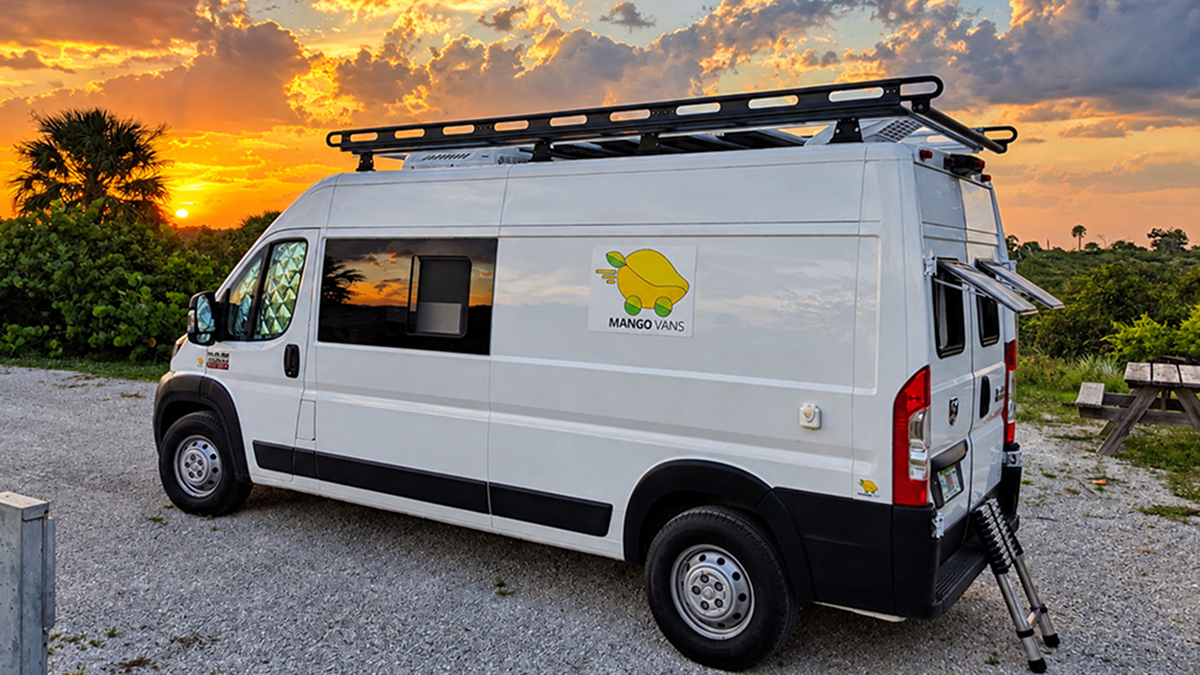
Most people researching how to start a mobile health clinic begin by shopping for a van, yet the vehicle should be one of the last decisions you make. Clinics that last are built on a clear service model, the right team, steady funding, and routes that match where patients actually live. At Mango Vans, we build mobile medical vans, and our strongest projects always start with that groundwork.
Start With the Care, Not the Keys
A mobile health clinic is a vehicle equipped to deliver medical, diagnostic, or wellness services wherever patients are, from school parking lots to rural crossroads. Before you choose a single cabinet or seat, decide what care you will provide and for whom. A van built for chiropractic visits looks very different from one built for lab draws or pediatric checkups.
Before you start a mobile clinic, talk with the community. Local leaders, clinics, and social service groups can point out where the gaps are and which services people will actually use. Mobile Health Map, a program of Harvard Medical School, describes this early work as connecting with the community, studying local needs, and planning for sustainability. Its advice to plan operations and funding for at least three to five years is worth taking seriously.
The Paperwork That Rides Along
Licensing rules for mobile clinics vary by state, so begin with your state health department and ask whether the unit needs its own license or can operate under an existing practice. Settle your business structure, professional licenses, and malpractice and liability coverage before the first patient climbs aboard.
Federal rules still apply on the road. Patient records typically fall under HIPAA, and lab testing performed on board generally requires a CLIA certificate. Local governments may also require permits to park and operate at certain sites, so confirm those details with every host location.
Who Rides Along on Clinic Day?
Staffing shapes almost every other decision. A lean team might include a nurse practitioner or physician, a medical assistant, and a driver who handles setup. Larger programs add community health workers, interpreters, and an outreach coordinator. Everyone on board needs room to work, so headcount should guide the floor plan.
Driving is part of the job, too. Van-based clinics generally fall below the weight threshold that requires a commercial driver's license, which widens your pool of qualified drivers, but confirm the rules in your state. Train the whole team on the vehicle itself, including its power, climate, and water systems, so a small issue never cancels a full day of appointments.
Funding That Keeps the Clinic Moving
The most sustainable mobile clinics rarely rely on a single source of money. Established programs tend to combine insurance reimbursement, grants and philanthropy, institutional support, and patient payments. Hospitals, universities, and health systems often sponsor units that extend their reach, while private practices and concierge providers build the cost into their service model.
Put those numbers in writing. A formal plan with startup costs, operating expenses, and revenue projections makes conversations with lenders, donors, and partners far easier, and the SBA offers a practical guide to writing a business plan. Budget for fuel, maintenance, insurance, supplies, and payroll, not just the build.
Where Will the Clinic Park?
Routes are where a mobile clinic earns trust. Partner with schools, churches, community centers, employers, and housing sites that can offer a safe, consistent place to park, then publish a schedule patients can rely on. Showing up at the same place and time each week matters more than covering every neighborhood at once.
Visit each site before you commit. Check the ground slope, turning room, overhead clearance, and how close patients can get to the door. Vehicle size plays a big role here, so it helps to see how long a Sprinter van is in each configuration before you sign a site agreement. Many host sites also lack a usable outlet, which is why a dependable off-grid power system matters.
Bringing the Mobile Medical Van Into the Plan
With services, staff, funding, and routes settled, choosing the vehicle gets much simpler. A mobile medical van typically needs private treatment space, a handwash station, durable flooring that cleans easily, lockable storage, and climate control that keeps patients comfortable without unnecessary engine idling. Power should be sized around your real equipment loads, with lithium batteries, alternator charging, solar, and shore power working together.
Our team has built custom vans that support cancer screening, chiropractic care, laboratory diagnostics, drug testing, and pediatric care. For a closer look at the build itself, read our post on mobile health van conversions.
Your Clinic's First Mile
Figuring out how to start a mobile health clinic is mostly a planning exercise, and the van is simply how that plan reaches patients. If you are weighing a new build or upgrades to a van you already own, our team would be glad to talk it through with you.
Frequently Asked Questions
What is a mobile health clinic?
A mobile health clinic is a vehicle outfitted to deliver medical, diagnostic, dental, or wellness services in the community. It brings care to schools, workplaces, shelters, and rural areas where patients may struggle to reach a traditional office.
How do I start a mobile health clinic inside an existing practice?
Treat the mobile unit as an extension of your practice. Confirm licensing with your state, decide which services will travel, and plan staffing and routes before designing the vehicle around that model.
How much does a mobile health clinic cost?
Costs depend on your services, staffing, vehicle, build, and the miles you travel. Plan for ongoing operating expenses such as fuel, insurance, maintenance, and payroll, not just the initial build.
Do I need a special license to run a mobile medical clinic?
Requirements vary by state. Some states license mobile units separately, while others allow them to operate under an existing facility. Check with your state health department and local authorities before you schedule patients.
Does a mobile clinic need CLIA certification?
If you perform lab testing on patient specimens, including simple waived tests, you will generally need a CLIA certificate. Clinics that only collect samples for an outside lab may face different requirements.
Do drivers need a CDL to drive a mobile health van?
Most van-based clinics fall below the federal weight threshold that triggers a commercial driver's license requirement. Larger truck or coach units often exceed it, so confirm your vehicle's rating and your state's rules before hiring drivers.
What vehicle works best for a mobile health clinic?
It depends on your services and stops. Van-based clinics, such as those built on a Mercedes-Benz Sprinter, park and maneuver more easily than large coaches, while bigger units offer room for multiple exam spaces.
Can a mobile clinic operate without plugging in?
Yes, with the right power system. Lithium batteries, solar, and alternator charging can run lights, equipment, and climate control at sites without shore power, as long as the system is sized for your daily loads.