
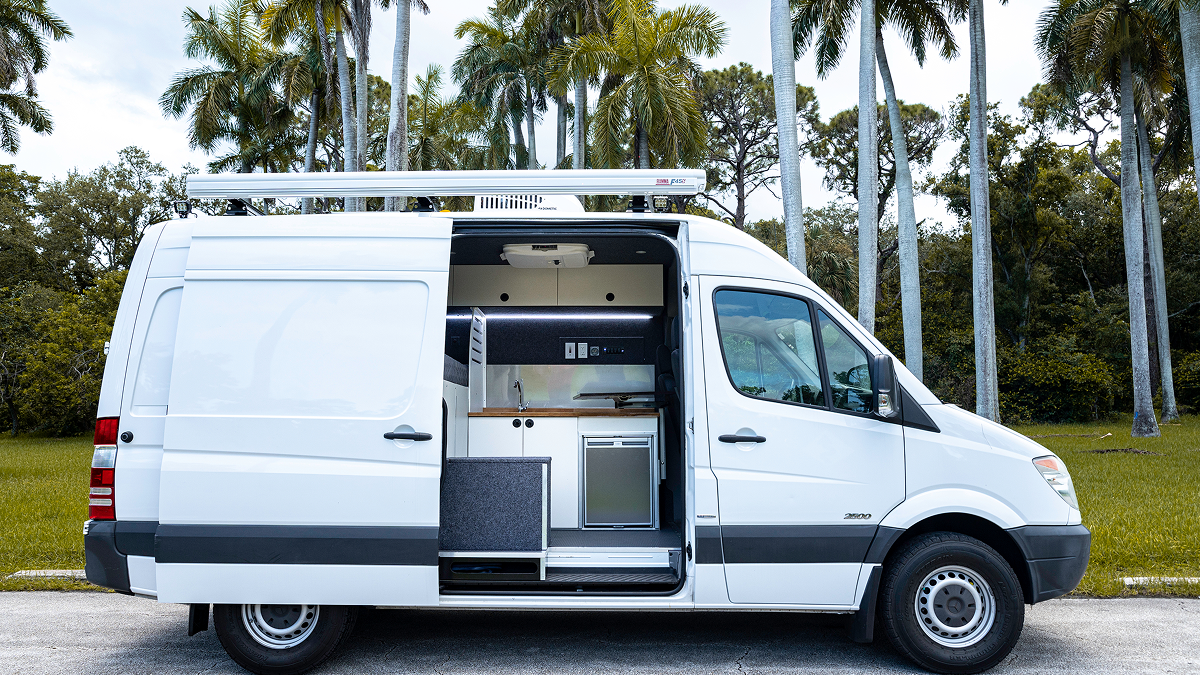
What is a Sprinter van? It is the Mercedes-Benz full-size van, sold in cargo, crew, passenger, and cab chassis versions and known for its tall roof, long wheelbase options, and talent for custom work. At Mango Vans, it is the platform we know best and build on most often, so here is a clear look at what it is and how people put it to work.
A Van Designed to Be Built On
The Mercedes-Benz Sprinter is a full-size van that serves as a starting point for everything from delivery fleets to rolling clinics. The current Mercedes-Benz Vans lineup includes the Cargo Van, Crew Van, Passenger Van, Passenger Van Select, and Cab Chassis, plus the all-electric eSprinter cargo van. The Passenger Van can seat up to 15 people, and custom builds can change that count, so it is worth checking how many people can fit in a Sprinter van once seats are added or rearranged.
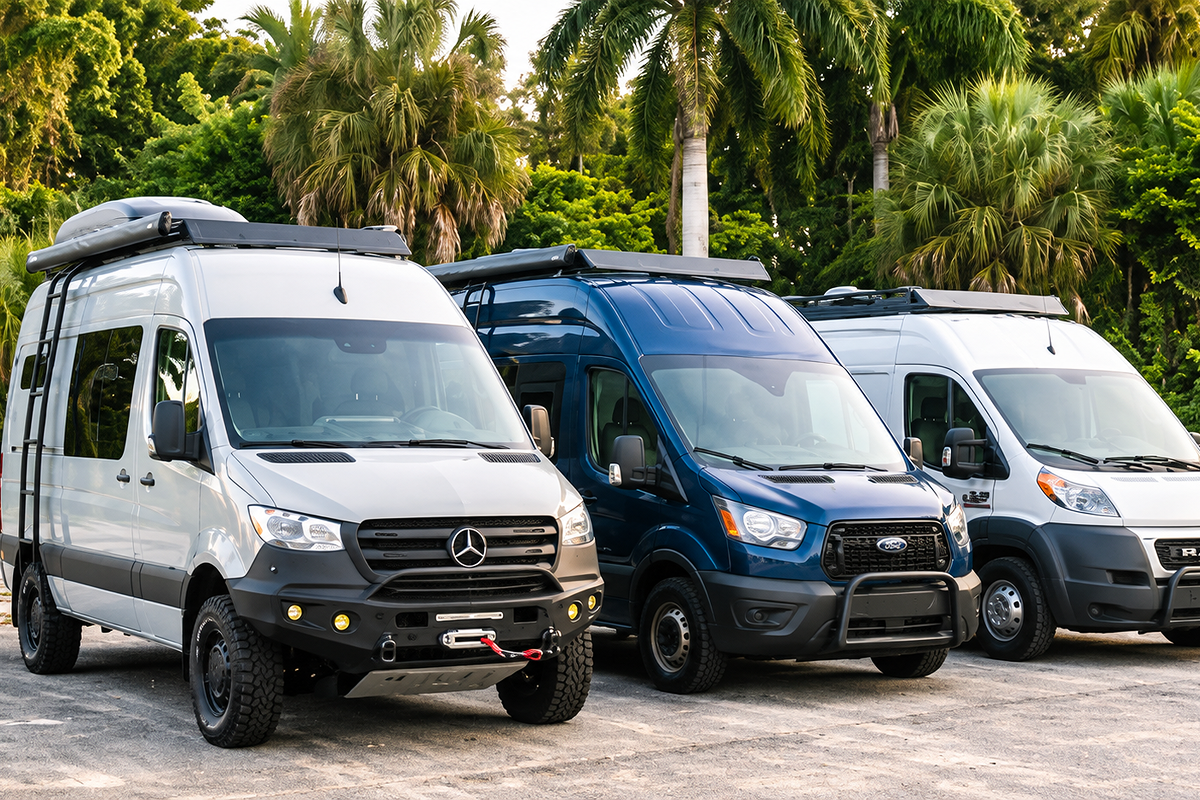
So what does a Sprinter van look like? Picture a tall, boxy body with a short, sloped nose, a sliding side door, and rear doors that open wide for loading. The high roof version gives most adults room to stand inside, which is a big reason the Sprinter shows up in so many custom builds.
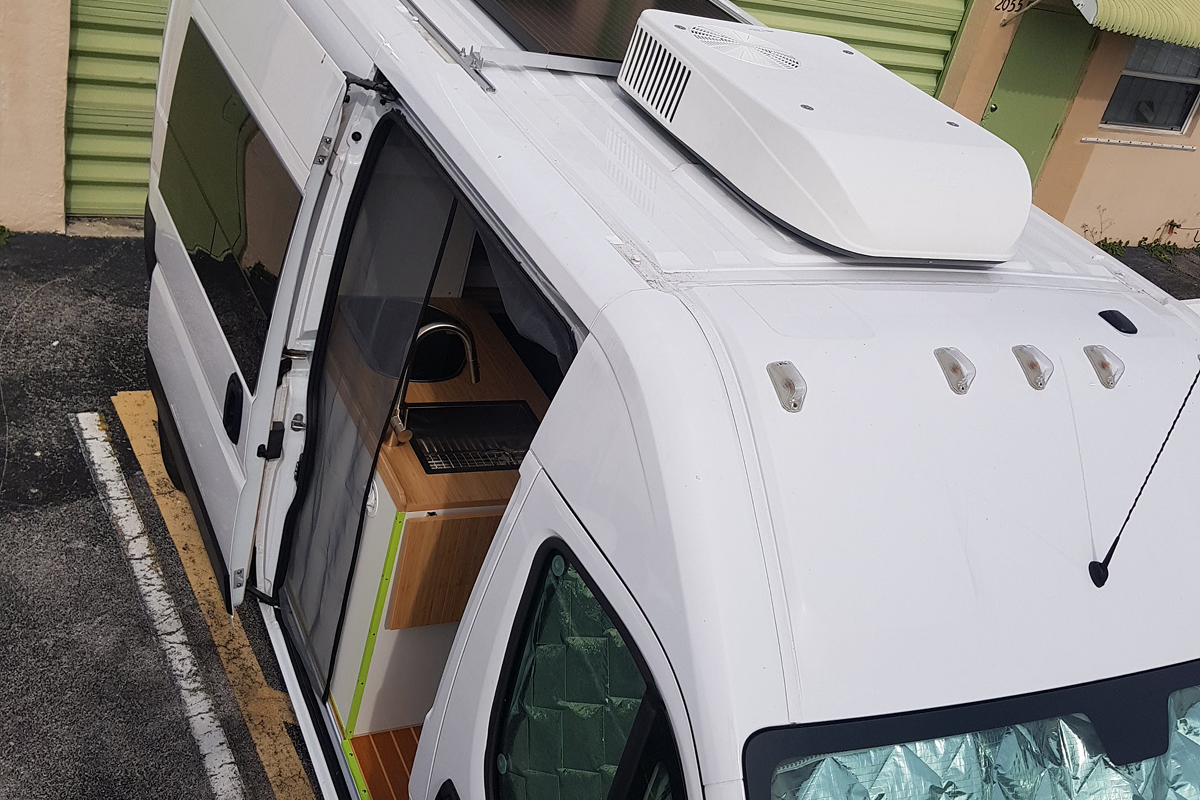
Who Builds the Sprinter, and Where?
Mercedes-Benz designs and builds the Sprinter. Earlier versions were also sold in the United States under the Dodge and Freightliner names, so you may still see older vans with different badges.
Sprinters for the American market are assembled in North Charleston, South Carolina, at a Mercedes-Benz Vans plant that has grown from a reassembly site into a full production facility.
Sizes, Roofs, and Drivetrains in Plain Terms
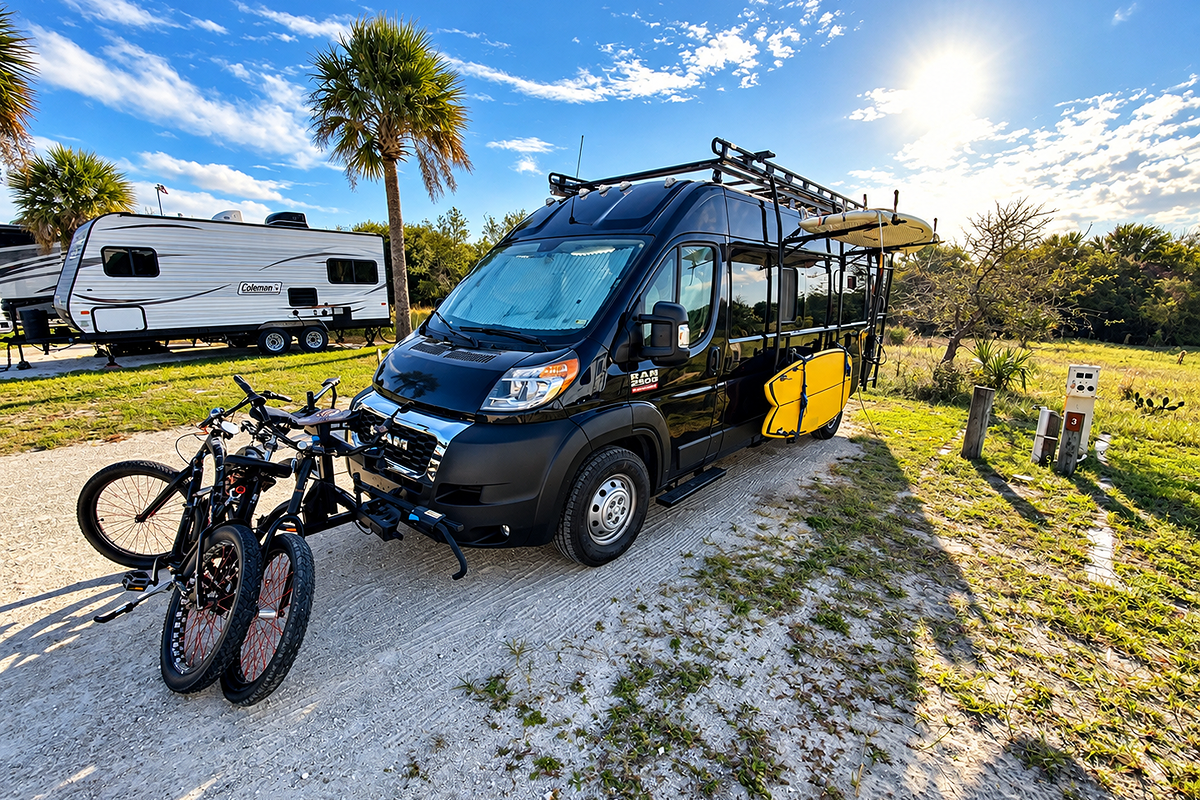
The Sprinter comes on a 144-inch or 170-inch wheelbase, and the 170-inch version is also offered with an extended body. Buyers choose between a standard and a high roof, and the current lineup runs on four-cylinder diesel engines, with all-wheel drive available on select models.
In practice, the standard roof suits cargo work and tighter parking, while the high roof is the usual choice for anything people will work or live in. The longer wheelbases trade some maneuverability for floor space, which matters once cabinets, seating, and equipment start competing for room.
Each combination changes what the van can carry and how it drives. Before planning heavy equipment, water tanks, or a large battery bank, it helps to check how much weight a Sprinter van can hold in the configuration you have in mind. Weight and seating also shape licensing questions. Most Sprinters can be driven on a standard license, but it is worth confirming whether you need a CDL to drive a Sprinter van before hiring drivers or loading up a heavy build.
From Delivery Routes to Mobile Clinics
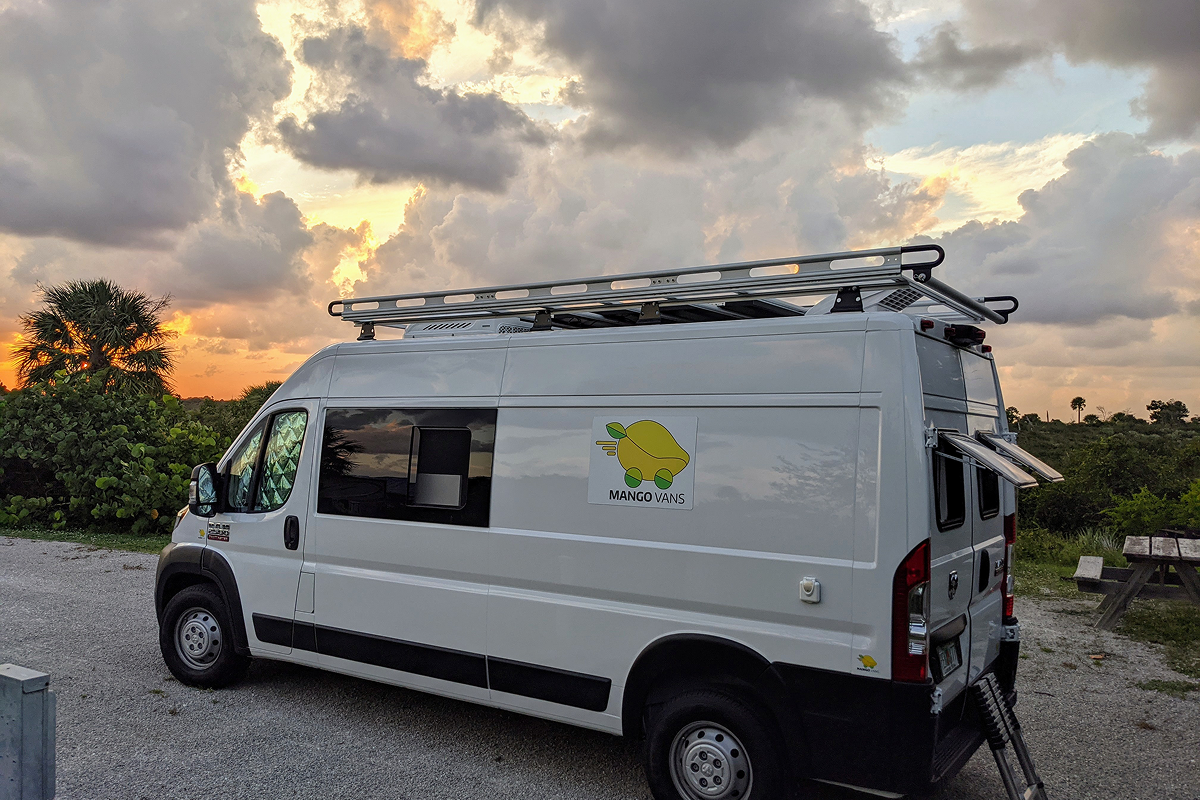
So, what is a Sprinter van used for? Fleets rely on it for deliveries, trades work, and passenger shuttles, and its size makes it easy to park at job sites where a box truck would struggle.
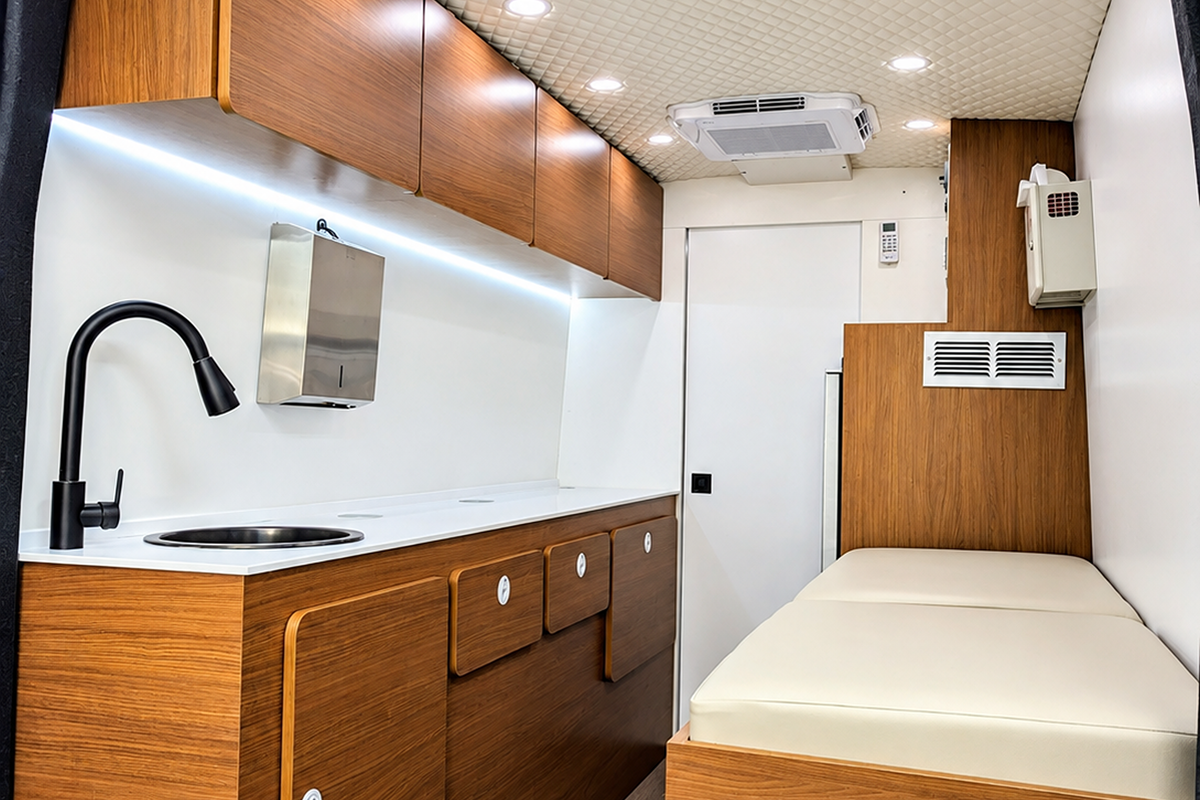
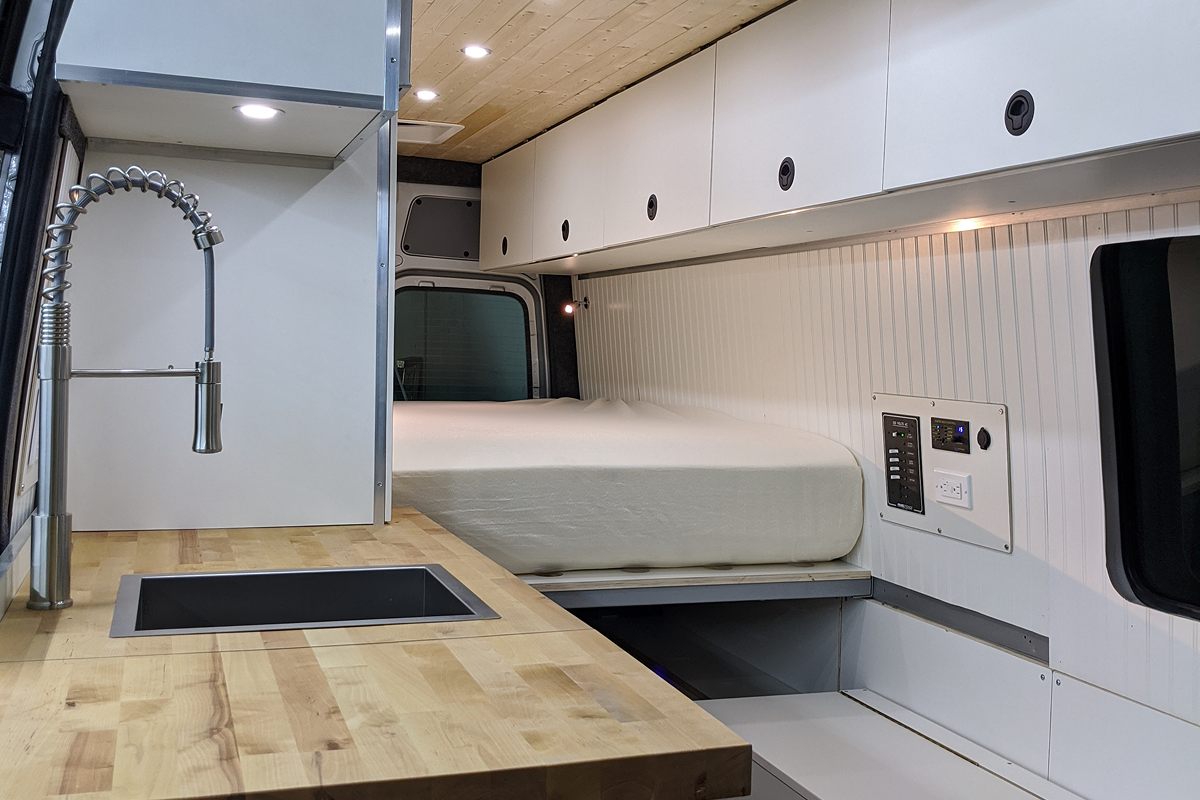
Businesses also turn the Sprinter into purpose-built workspaces, and it is the platform behind many of our commercial van conversions, including mobile medical clinics, community outreach vans, professional offices, retail showrooms, drone command centers, and K9 transport vehicles. On the adventure side, a Sprinter van conversion can turn the same van into a camper with sleeping space, a kitchen, water, and off-grid power.
Why Builders Keep Coming Back to It
Standing room is the first reason. A tall, flat-sided interior makes it easier to fit cabinetry, workstations, seating, and climate systems without cramping the people inside. The range of lengths also lets a layout grow with the job, from a compact service van to a full mobile clinic.
The support around the van helps too. Mercedes-Benz runs a dedicated upfitting program, and a large aftermarket of Sprinter-specific parts and accessories makes custom work more straightforward.
The Sprinter is not the least expensive full-size van to buy or maintain, so it is not the right fit for every budget. Our breakdown of cargo van vs Sprinter van walks through those trade-offs. If you already own a Sprinter, conversion van upgrades can add power, climate control, seating, or windows without starting over.
Is a Sprinter the Right Starting Point?
Now that you have a clear answer to what a Sprinter van is, the real question is whether its size, roof height, and configuration fit the way you plan to use it. If you would like a second opinion on your plans, our team is always happy to talk it through.
Frequently Asked Questions
Who makes the Sprinter van?
Mercedes-Benz makes the Sprinter. Earlier versions were also sold in the United States as Dodge and Freightliner Sprinters, and vans for the American market are assembled in North Charleston, South Carolina.
What is a Sprinter van used for?
Sprinters handle deliveries, trades work, and passenger shuttles. They are also popular bases for mobile clinics, offices, retail showrooms, outreach vans, command center vehicles, and camper builds.
What does a Sprinter van look like?
A Sprinter is a tall, boxy full-size van with a short, sloped nose, a sliding side door, and wide rear doors. It comes in standard and high roof versions and several lengths.
Are all Sprinter vans diesel?
The current lineup uses four-cylinder diesel engines, and the eSprinter is fully electric. Some earlier model years also offered a gasoline engine, so check the specific van you are considering.
What is the difference between a Sprinter cargo van and a crew van?
A cargo van has seats up front and an open load area behind them. A crew van adds a second row of seating, so it can carry a small team while keeping cargo space in the back.
Is there an electric Sprinter van?
Yes. Mercedes-Benz offers the eSprinter, an all-electric cargo van built on the same platform. Range and charging needs should be weighed carefully before planning a power-hungry build.
Can you live in a Sprinter van?
Many people travel or live full time in Sprinter-based campers. A livable build typically includes a bed, a kitchen, water, climate control, and an off-grid power system sized for daily use.
Why do so many businesses use Sprinter vans?
Its tall interior, multiple lengths, and range of body styles make it easy to adapt to specific jobs. Teams can stand, work, and store equipment inside without moving to a larger truck.