Mobile Eye Clinics: Bridging the Gap Between Vision Care Needs and Access
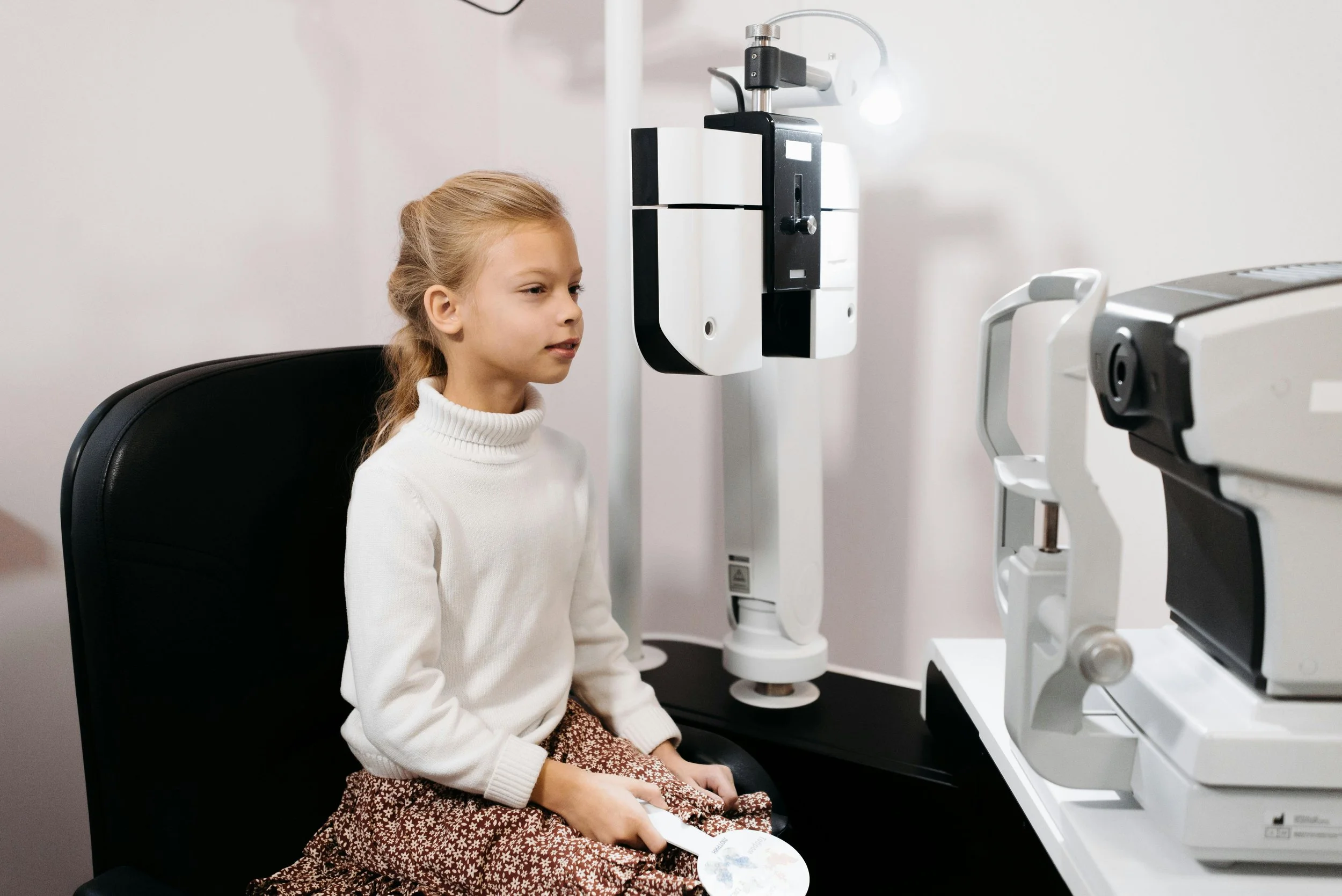
Millions of Americans struggle to access basic vision care, not because services don't exist, but because geography, transportation, and economic barriers stand in the way. In Florida, these challenges affect rural communities, elderly populations in retirement centers, migrant workers in agricultural regions, and low-income families who lack reliable transportation.
Mobile eye clinics address these access gaps by bringing comprehensive vision care directly to the communities that need it most. For optometrists and healthcare entrepreneurs, Florida's unique demographics and geographic realities create compelling opportunities to build profitable mobile vision care practices while serving populations that traditional eye care models overlook.
The Access Problem: Who Traditional Eye Care Leaves Behind
Traditional brick-and-mortar eye care practices assume patients can travel to appointments. This model works for urban residents with transportation and flexible schedules, but it fails entire segments of the population who face insurmountable barriers.
Rural communities often have no nearby optometrists. Residents may need to drive an hour or more to reach the nearest provider. Mobile eye clinics equipped with professionally customized exam spaces bring vision care directly to these underserved areas, eliminating the transportation barrier entirely.
Elderly populations experience compounding mobility limitations. Driving becomes difficult as vision declines, creating a cruel paradox where those who most need eye care struggle most to reach it. Working families face time constraints that make traditional appointments impractical. Taking time off work for a mid-day eye exam means lost wages many can't afford.
These access barriers compound into serious long-term health consequences. Undiagnosed vision problems affect children's academic performance. Untreated conditions in elderly populations increase fall risk and reduce quality of life. Diabetes-related vision complications go undetected in populations that lack regular eye care access.
Florida's Geographic and Demographic Realities
Florida's healthcare landscape presents unique challenges that make mobile eye clinics particularly valuable:
Rural optometry deserts. Counties in north and central Florida operate with severe provider shortages. Communities in the Panhandle, around Lake Okeechobee, and in interior agricultural regions may have one optometrist serving thousands of square miles.
Concentrated elderly populations. Florida's massive retirement communities house seniors with high vision care needs. The Villages alone houses over 130,000 residents, predominantly seniors. Similar communities dot the state from the Gulf Coast to the Atlantic. These populations need regular eye exams and glaucoma screening, but transportation within these sprawling developments creates access challenges.
Agricultural worker populations. Families working in citrus groves and farming operations often lack health insurance and transportation to medical appointments. Their children miss school-based vision screenings that could identify treatable conditions early.
Tourism and service industry workers. Florida employs hundreds of thousands in jobs that rarely include comprehensive health benefits. These workers need affordable, accessible vision care but can't take time off during traditional business hours.
Rapid population growth. New developments spring up faster than healthcare providers can establish practices, straining infrastructure and creating temporary but significant gaps in service availability.
How Mobile Eye Clinics Solve Access Barriers
Mobile eye clinic vans transform vision care delivery by eliminating barriers that prevent people from accessing services. A fully equipped mobile eye clinic brings examination lanes, diagnostic equipment, and eyewear dispensing directly to communities, schools, workplaces, and senior living facilities.
School partnerships enable pediatric vision screening for hundreds of children in a single day without parents missing work or arranging transportation.
Senior living facility contracts provide predictable revenue while delivering regular care to elderly residents who face transportation challenges.
Corporate wellness programs allow employees to receive eye exams during lunch breaks or shift changes without missing work.
Community health fairs and outreach events reach underserved populations at county health departments, churches, and community centers who might never visit a traditional practice.
Building a Mobile Eye Clinic: What It Takes
Launching a mobile eye clinic requires careful planning around licensing, equipment, vehicle selection, and operational infrastructure. Florida requires optometrists to hold a state license issued by the Board of Optometry, allowing you to practice anywhere in the state.
Equipment
Equipment needs parallel those of a traditional practice but must fit within a vehicle's constraints. Essential diagnostic equipment includes phoropters, slit lamps, tonometers for glaucoma screening, autorefractors, and retinal imaging systems. Many mobile eye clinic vans include small dispensing areas with frame selections and edging equipment for on-site eyewear fitting.
Vehicle Platform
Vehicle platform selection significantly impacts your practice's capabilities. A mobile eye clinic van needs adequate interior height for comfortable examination work, sufficient space for exam lanes, and robust climate control to maintain equipment and patient comfort in Florida's heat. Popular platforms include RAM ProMaster, Mercedes Sprinter, and Ford Transit models.
Utilities
Power requirements deserve careful consideration. Diagnostic equipment and climate control systems demand reliable electrical power. Most mobile eye clinics incorporate generator systems or shore power capabilities. Cloud-based EMR platforms allow you to access patient records, process insurance claims, and maintain HIPAA compliance from any location.
The Business Case for Mobile Vision Care in Florida
Mobile eye clinics offer compelling economics when structured thoughtfully. Revenue models combine fee-for-service care, contracted services with institutions, and insurance reimbursement. Medicare and Medicaid rates remain consistent whether care happens in a traditional office or mobile setting.
Market opportunities concentrate in Florida's underserved regions where competition remains minimal compared to saturated urban markets. Partnerships with schools, counties, and employers create stable revenue streams through vision screening contracts and workplace wellness programs.
Operating costs run lower than traditional brick-and-mortar practices. You avoid expensive commercial leases and extensive buildout costs. Successful operations often expand by adding additional vehicles and optometrists to serve more routes, allowing you to increase revenue beyond your personal clinical capacity.
Bringing Vision Care Where It's Needed
Mobile eye clinics solve real access problems while creating viable business opportunities for optometrists and healthcare entrepreneurs. Florida's combination of underserved rural areas, concentrated elderly populations, and rapid growth creates ideal conditions for mobile vision care to thrive. Success requires professional equipment, thoughtful route planning, and commitment to serving communities that traditional practices overlook.
If you're ready to explore how a professionally converted mobile eye clinic van can support your vision for accessible care, experienced van conversion specialists can help you design a mobile workspace that meets clinical requirements while projecting the professionalism patients expect.